Atlanta Catering Ideas That Bring Delicious Options to Every Occasion
This post may contain affiliate links which might earn us money. Please read my Disclosure and Privacy policies here
Food does more than fill a plate at an event. It helps set the tone, shapes the guest experience, and often becomes one of the most memorable parts of the day. A well-planned menu can make a corporate gathering feel polished, a wedding feel personal, a birthday celebration feel lively, and a private dinner feel thoughtful and warm.
In a city as energetic and diverse as Atlanta, catering carries even more creative potential because the local food culture is broad, expressive, and deeply rooted in both tradition and innovation.
That is part of what makes Atlanta catering so interesting. The city’s culinary scene reflects Southern hospitality, regional ingredients, international influence, and a growing interest in customization. Clients are no longer looking only for a basic buffet or a standard plated meal.
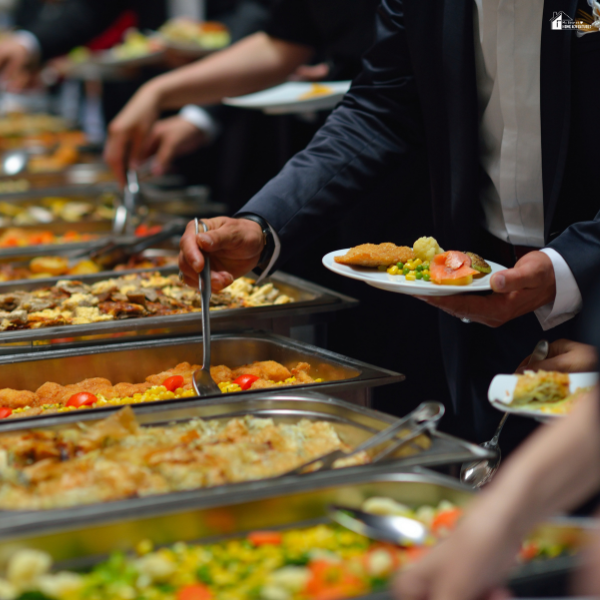
They want food that fits the event, reflects the crowd, and feels intentional from the first appetizer to the last dessert.
Atlanta caterers have responded by becoming more flexible, more creative, and more attentive to the full event experience. Menus can be formal or casual, traditional or globally inspired, health-focused or indulgent.
Service styles can shift to match the setting, and presentation has become just as important as flavor. Whether the event is large or small, indoors or outdoors, elegant or relaxed, the right catering plan can make it feel more complete.
This guide explores what makes Atlanta’s catering scene stand out, how menus can be tailored for different occasions, why dietary flexibility matters more than ever, and how presentation and service help turn a meal into part of the event itself.
Atlanta’s Food Scene Gives Catering a Strong Advantage
Atlanta is one of those cities where different food traditions naturally overlap. Southern cooking remains central to its identity, but the city also draws influence from Latin American, Caribbean, Asian, Mediterranean, African, and modern American cuisines.
That mix gives caterers more room to build menus that feel layered and distinctive.
In practical terms, that means Atlanta catering is rarely limited to one kind of food experience. A menu might feature shrimp and grits alongside globally inspired small bites, or pair familiar comfort foods with modern plating and seasonal ingredients.
Some events call for polished Southern classics, while others are better served by fusion dishes that reflect a younger or more eclectic crowd.
This flexibility benefits clients because it makes it easier to match food to the event itself. A corporate breakfast may need clean, efficient options that still feel elevated. A wedding may call for a more personal menu that reflects family traditions or shared tastes.
A social event might lean into fun, variety, and visual impact. Atlanta’s food culture makes all of that possible.
Southern Influence Still Shapes the City’s Catering Identity
Even with all its variety, Atlanta’s culinary character still draws much of its warmth from Southern food traditions. This does not mean every catered event features the same menu, but it does mean there is a strong local appreciation for dishes that feel generous, familiar, and rooted in comfort.
That influence often shows up in ingredients and formats as much as in specific recipes. Guests may be served elevated takes on fried chicken, pimento cheese, biscuits, smoked meats, seasonal vegetables, cornbread, mac and cheese, or cobblers and pies.
These dishes connect easily with local expectations because they feel satisfying and welcoming without needing much explanation.
At the same time, Atlanta caterers often update these classics in subtle ways. A traditional dish might be presented in a more refined format, paired with brighter sauces, or adapted to fit a cocktail-style service. This allows the food to feel both recognizable and event-worthy.
For many clients, this balance is one of the strengths of Atlanta catering. It respects local food culture while still allowing the menu to feel fresh and carefully designed.
Local Ingredients Help Menus Feel More Alive
Another reason Atlanta’s catering scene is strong is its connection to local and regional ingredients. Georgia’s agricultural resources make it possible for chefs and caterers to source produce, herbs, meats, cheeses, and seasonal specialties without relying entirely on long-distance supply chains.
This has an obvious effect on flavor. Fresh ingredients tend to taste better, especially when menus are built around what is actually in season. But the benefits go beyond taste alone. Seasonal sourcing also gives menus more personality.
A spring event may highlight bright greens, berries, and herbs, while late summer might lean into tomatoes, stone fruit, corn, and local peppers.
That seasonal awareness often helps Atlanta catering feel less generic. Instead of offering the same fixed menu year-round, strong caterers build around timing, availability, and what feels appropriate for the setting.
This results in meals that feel more connected to place and season, which guests often notice even if they cannot immediately explain why the food feels more vibrant.
It also gives clients more opportunities to create a menu that feels distinctive rather than copied from a template.
Different Events Need Different Catering Strategies
One of the biggest misconceptions about catering is that it is mainly about choosing dishes. In reality, the best catering decisions come from understanding what the event actually needs. Food should fit the pace, tone, guest count, and purpose of the gathering, not just the host’s favorite menu items.
Corporate Events Need Efficiency and Polish
For business gatherings, food often needs to support the event without distracting from it. Breakfasts may require lighter items that are easy to serve and easy to eat. Lunches may need to accommodate varied tastes without slowing down the schedule.
Networking receptions often do best with high-quality passed bites or stations that encourage movement and conversation.
In these settings, Atlanta catering often succeeds when it feels organized, polished, and easy for guests to navigate. The food should be memorable, but it should also work smoothly with the agenda.
Weddings Need Personality and Rhythm
Weddings are different because the meal is often tied directly to emotion and memory. Couples may want food that reflects family traditions, favorite restaurants, shared travel experiences, or the region where they are getting married.
Others may simply want the meal to feel warm, elegant, and easy for guests to enjoy.
The best wedding catering plans usually consider more than the main course. Cocktail hour, dinner pacing, late-night snacks, dessert, and bar coordination all affect how the event flows. The menu becomes part of the storytelling.
Social Events Have More Room for Creativity
Birthdays, anniversaries, showers, reunions, and private celebrations often allow for more freedom. These events may benefit from interactive stations, themed menus, or more playful food formats.
Guests are often more open to unusual combinations or casual presentations when the event is designed for fun and social energy rather than formality.
Themed Menus Can Make an Event More Memorable
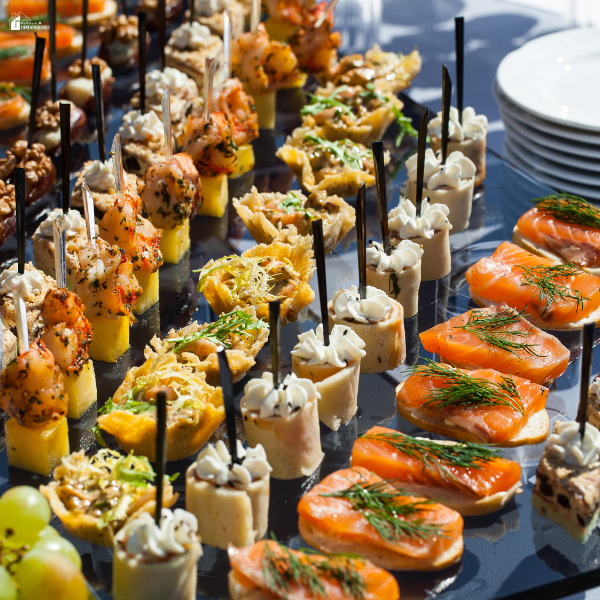
A strong theme does not always mean decorations alone. Food can be one of the most effective ways to make a concept feel complete. This does not require gimmicks. It simply means the menu reflects the event’s atmosphere in a way that feels natural and well thought out.
A garden event may lean into fresh herbs, seasonal produce, sparkling beverages, and light desserts. A Southern-style celebration might feature regional classics served in a polished way. A globally inspired evening could include small plates from several cuisines that invite conversation and discovery.
This is where Atlanta catering often shines, because the city’s food scene supports both traditional and more adventurous menus. Caterers can draw from many culinary influences while still making the meal feel coherent. When done well, the food becomes part of the mood rather than just a service requirement.
Themed menus also help guests remember the event more clearly. People may forget the exact floral arrangement or the wording on the invitation, but they often remember a meal that felt surprising, personal, or beautifully matched to the occasion.
Dietary Flexibility Has Become Essential
Today’s event planning requires more awareness around dietary needs than ever before. Guests may avoid gluten, dairy, or meat for medical, ethical, religious, or personal reasons. A modern caterer has to do more than offer one token alternative.
They need to build menus that are inclusive without making those guests feel like an afterthought.
Vegan and Vegetarian Menus Can Be Full of Flavor
Plant-forward catering has come a long way. Guests now expect vegan and vegetarian dishes to feel complete, satisfying, and attractive rather than like substitutions.
Creative use of grains, legumes, roasted vegetables, sauces, herbs, and globally inspired seasoning can produce dishes that appeal to everyone at the table, not just those following a plant-based diet.
Gluten-Free Options Need the Same Care as Everything Else
Gluten-free guests also notice when their meal feels considered rather than improvised. That means more than leaving off bread. It means planning dishes that stand on their own and maintaining proper kitchen care to reduce cross-contact where necessary.
Strong Atlanta catering providers understand that these needs are not niche anymore. They are part of normal event planning. Menus that account for them gracefully tend to leave a better impression on the whole group.
Farm-to-Table Thinking Adds Freshness and Credibility
The farm-to-table mindset has influenced catering in a meaningful way. At its best, it is not just a phrase used in marketing. It reflects a real commitment to ingredient quality, seasonality, and sourcing with intention.
For clients, this often means better produce, more interesting menus, and food that feels fresher overall. It can also support a more thoughtful event identity, especially for hosts who care about sustainability or local economic support.
In Atlanta, this approach works particularly well because of the region’s access to seasonal produce and a growing culture of food awareness. Caterers who build menus around what is actually available and tasting good at that moment often deliver stronger results than those relying on static offerings year-round.
This is another reason Atlanta catering can feel more dynamic than expected. Menus do not need to feel fixed or generic. They can respond to time, place, and ingredient quality in a way that strengthens the entire event.
Presentation Matters More Than People Realize
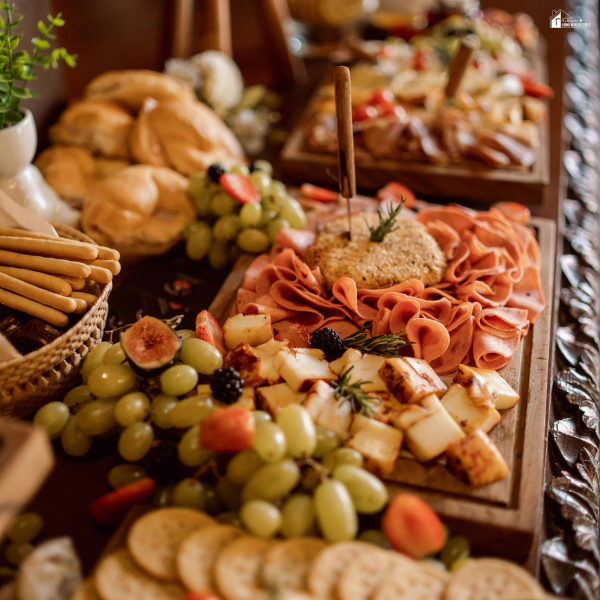
Guests begin reacting to food before they take the first bite. The visual presentation of the meal shapes expectation, appetite, and perceived quality. This is true for plated dinners, buffets, cocktail receptions, grazing tables, and dessert displays alike.
A beautiful food presentation does not have to feel overly formal. It simply needs to look intentional. Color balance, serving ware, spacing, garnish, height variation, and table styling all contribute to how appealing the spread feels when guests first encounter it.
Good Atlanta catering often reflects this understanding. Caterers know the food must taste excellent, but they also know it should photograph well, suit the setting, and add to the event atmosphere rather than clash with it.
This has become even more important in an era where guests often document events visually. Well-presented food contributes not only to guest enjoyment in the moment, but also to how the event is remembered and shared afterward.
Service Is Part of the Meal
Even the best menu can fall short if service is poorly managed. Catering is not only about cooking. It is also about timing, hospitality, flow, and guest care. A strong service team keeps the event moving naturally while allowing the host to stay present and relaxed.
At more formal events, this may mean smooth course timing, attentive table service, and quiet problem-solving behind the scenes. At more casual events, it may mean keeping stations replenished, managing guest flow, and maintaining a warm, approachable tone.
One of the major strengths of professional Atlanta catering is that experienced teams understand how food service affects the whole event. They know when guests need efficiency, when they need interaction, and when they need the meal to feel effortless. That awareness can have just as much impact as the menu itself.
Final Thoughts
Catering has the power to shape an event in lasting ways. It influences energy, conversation, comfort, and memory. In a city as varied and food-aware as Atlanta, the possibilities are especially rich. Menus can reflect Southern tradition, global inspiration, seasonal ingredients, dietary flexibility, and the specific character of the event itself.
That is why Atlanta catering is about much more than logistics. At its best, it becomes part of the event’s identity. It supports the atmosphere, strengthens the guest experience, and helps transform a gathering into something people genuinely remember.
Whether the occasion is formal, relaxed, corporate, intimate, or celebratory, the right food plan can make everything feel more intentional. When flavor, service, presentation, and setting all work together, catering stops being a background detail and becomes one of the event’s greatest strengths.