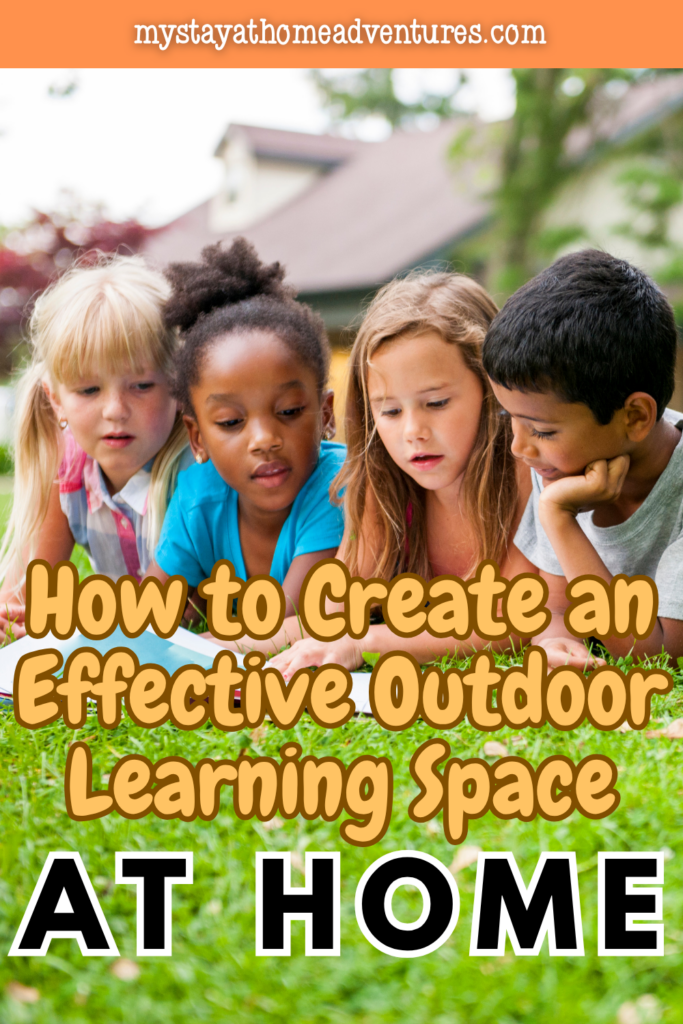
How to Create an Effective Outdoor Learning Space at Home
This post may contain affiliate links which might earn us money. Please read my Disclosure and Privacy policies here
Taking the classroom into the backyard can change the way your kids view their daily studies. It provides a break from the four walls of a bedroom or a kitchen table. Many parents find that a change in scenery helps reduce the boredom that often comes with long school hours.
You do not need a massive budget to get started. A simple setup can make a big difference in how much information your children retain. Providing a breath of fresh air can turn a stressful afternoon into a productive session.
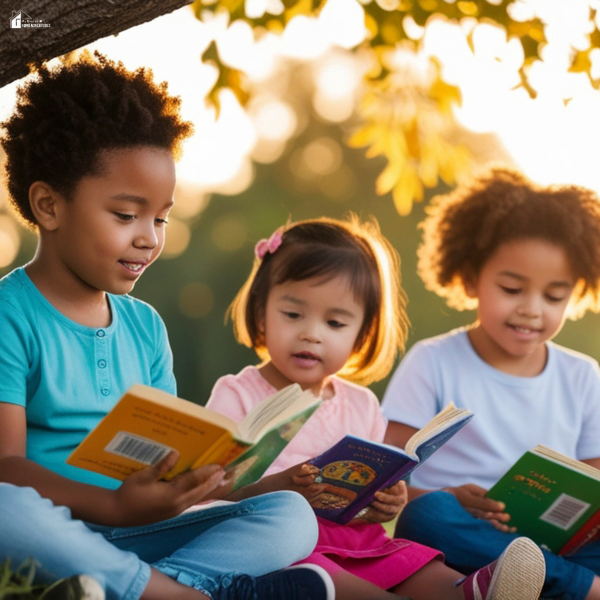
Choosing Durable Furniture
Selecting pieces that can stay outside is a smart move for long-term use. Plastic and metal are popular choices since they wipe clean after a rain shower. Wooden sets look nice in a garden but might need a bit more maintenance over the years.
Finding functional options at websites like outdoorschoolfurniture.com makes the setup process much faster and easier. Make sure the height of the chair matches the table to keep your student comfortable.
If kids feel cramped, they will likely want to head back inside after just a few minutes. Sturdy benches are good for projects that require a lot of spreading out.
The Impact on Development
Moving lessons to the garden has a measurable effect on how children grow and learn. A recent article noted that this approach improves child development and supports mental health. It stated that a deep connection with nature promotes more inclusive and engaging learning for all types of students.
Being around trees and birds helps lower stress levels as they tackle difficult subjects. This change of pace keeps their minds active and prevents the midday slump. Fresh air provides a natural boost to energy that coffee or snacks cannot match.
Integrating Natural Elements
Nature can be a great teacher when you incorporate it into the curriculum. One education blog suggested that outdoor schooling allows parents to see their kids in a different light. This shift in perspective can reveal hidden strengths or interests that are not obvious in a traditional room.
You can use garden plants to explain biology or rocks to help with counting in math. Watching the seasons change provides a real-world lesson in science right in front of them. It encourages curiosity and makes the lessons feel less like a chore.
Storage Solutions for Supplies
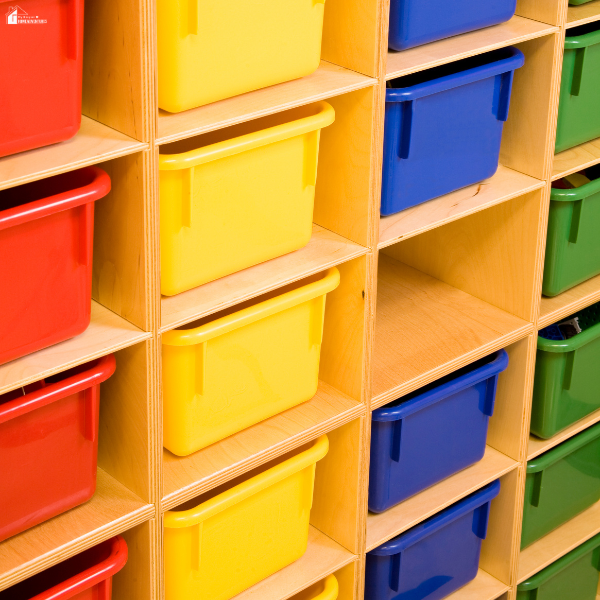
Keeping everything organized is tough when your classroom is subject to the wind. A rolling cart with drawers is a handy way to bring materials in and out each day. You can use weatherproof bins, too, to keep paper and pens safe from moisture.
Labeling these containers makes it easy for kids to find what they need without asking for help.
- Store heavy books at the bottom of the bin to prevent it from tipping.
- Use clipboards to keep loose papers from blowing away in a breeze.
- Keep a stash of sunblock and bug spray in a dedicated side pocket.
- Bring electronics back inside every evening to protect them from the dew.
Having a system in place saves time and reduces the chaos of moving back and forth. Keeping items protected from moisture means you won't have to replace them as often.
Providing Proper Lighting and Shade
Natural light is 1 of the biggest perks of being outside. Sometimes the sun is too bright to see a tablet or laptop screen clearly. A large market umbrella provides enough shade to cover a standard work table. If you plan to work in the late afternoon, you might need a small lamp or some string lights.
Make sure any electric cords are safely tucked away to prevent tripping hazards. Good lighting prevents headaches and keeps everyone focused on the text.
Planning for Different Weather
Rain does not have to mean the end of your outdoor study time. A covered patio or a sturdy tent can keep the area dry during a drizzle. If the temperature drops, a small patio heater or some cozy blankets can extend the season.
Checking the local forecast every morning helps you decide when to head out. Some days might be too windy for paper-based work, so plan for digital tasks instead. Being prepared for the elements keeps the routine consistent.
Starting an outdoor learning project can be a rewarding experience for the whole family. It turns a standard school day into something that feels special and adventurous. You will likely see a boost in mood and a new level of focus in your children.
Focus on the basics first and let the space evolve as you see what works best. There is no right or wrong way to build your garden classroom as long as it fits your needs. Enjoy the process of watching your kids thrive in the fresh air.