Smart Ways Busy Moms Can Save Money Without Sacrificing Safety or Quality
This post may contain affiliate links which might earn us money. Please read my Disclosure and Privacy policies here
Managing a household budget has never been simple, but for many moms, it has become an ongoing balancing act between rising costs and maintaining a safe, comfortable home. From groceries to home repairs, every decision requires thought and intention. The challenge isn’t just spending less — it’s spending wisely.
Frugal living, when done right, isn’t about cutting corners. It’s about making informed choices that stretch your budget while still protecting your family’s well-being.
In this guide, we’ll explore practical, mom-tested strategies that help you save money without compromising on quality — especially in areas where safety and durability matter most.
Rethinking “Cheap” vs. “Cost-Effective”
One of the biggest shifts in frugal living is understanding the difference between “cheap” and “cost-effective.” Cheap often means lower upfront costs — but it can lead to more frequent replacements or even safety risks. Cost-effective, on the other hand, focuses on long-term value.
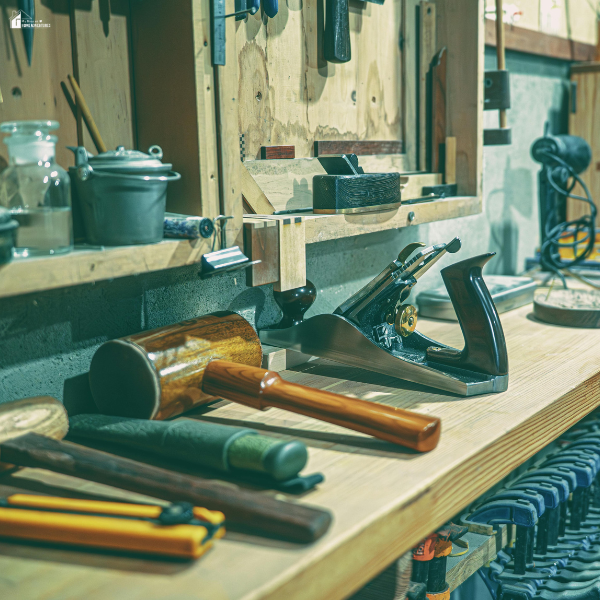
For example, buying a lower-priced household tool might seem like a smart move until it breaks within months. Replacing it repeatedly can cost more than investing in a durable, reliable option from the start.
This mindset applies across the home — from kitchen tools to home maintenance equipment. When evaluating purchases, consider:
- How long the item will last
- Whether it meets safety standards
- If it requires frequent repairs or replacements
By focusing on longevity and reliability, you can reduce waste and avoid unnecessary expenses over time.
Budget-Friendly Home Maintenance That Pays Off
Home maintenance is one area where frugality and safety intersect. Many families try to delay repairs or choose the cheapest solution available, but this can lead to bigger — and more expensive — problems down the line.
Instead, a proactive approach helps you stay ahead of issues while keeping costs manageable. Simple steps like routine inspections, proper tool storage, and the use of quality materials can extend the life of your home systems.
For households that occasionally handle DIY repairs or partner with professionals, investing in dependable equipment is especially important.
Brands like Ridge Products Welding, founded by a former professional welder, focus on high-performance components designed for durability and precision — qualities that matter when safety is involved.
Even if you’re not a welder yourself, understanding the importance of reliable tools helps you make better decisions when hiring contractors or purchasing equipment for home projects.
Smart Shopping: Where to Spend and Where to Save
A practical rule many frugal moms follow is this: spend more on what protects your family, and save on what doesn’t.
Here’s how that breaks down:
Spend More On:
- Safety gear and protective equipment
- Tools used for home repairs or maintenance
- Items that are used frequently
Save On:
- Decorative items
- Trend-based purchases
- Non-essential upgrades
This approach ensures that your budget prioritizes function over appearance. For example, investing in high-quality safety equipment or tools may seem like a larger upfront expense, but it reduces the risk of accidents and long-term costs.
When researching specialized products, it’s helpful to rely on brands that focus on niche expertise. For instance, platforms like https://ridgeproductswelding.com/ provide access to specialized welding lenses, helmets, and maintenance equipment designed for performance-driven users.
This kind of focused offering often reflects deeper product knowledge and attention to detail. Choosing quality in these areas aligns with a broader frugal strategy: buy once, use longer.

Teaching Kids the Value of Smart Spending
Frugality means shaping future habits. Involving your children in everyday financial decisions can turn routine tasks into valuable learning moments.
Simple ways to teach smart spending include:
- Letting kids compare prices during shopping trips
- Explaining why you choose certain products over others
- Encouraging them to save for items they want
When children see that frugality isn’t about deprivation but about thoughtful choices, they’re more likely to adopt these habits as they grow.
You can also introduce the concept of value over price. For example, explain why a durable product is worth more than a cheaper alternative that won’t last. These lessons help kids understand that saving money often involves thinking long-term.
Reducing Waste to Stretch Your Budget
Another key aspect of frugal living is minimizing waste. Every item that gets thrown away represents money that could have been saved.
Start by identifying areas where waste is most common:
- Food spoilage
- Broken or low-quality items
- Unused household products
From there, you can implement small changes that make a big difference:
- Plan meals to reduce food waste
- Store items properly to extend their lifespan
- Choose reusable options when possible
This approach not only saves money but also simplifies your daily routine. Fewer replacements mean fewer shopping trips and less decision fatigue.
In many cases, reducing waste goes hand in hand with choosing better-quality products. Items that last longer naturally create less waste, reinforcing the value of thoughtful purchasing decisions.
Balancing Frugality with Peace of Mind
For many moms, the ultimate goal of frugal living isn’t just saving money — it’s creating a sense of stability and security for the family. That means making choices that support both your budget and your peace of mind.
Cutting costs should never come at the expense of safety or reliability. Whether it’s the tools used for home repairs or the products you bring into your home, quality plays a critical role in protecting your family.
Ridge Products Welding, for example, has built its reputation by focusing on specialized, high-performance gear for experienced users. While their core audience may be professional welders, the underlying principle applies to any household: dependable equipment supports better outcomes and reduces risk.
By prioritizing quality where it matters most, you can create a home environment that feels both efficient and secure.
Conclusion
Frugal living isn’t about doing without — it’s about doing better with what you have. For busy moms, that means making intentional choices that balance cost, quality, and safety.
In the end, frugality is less about restriction and more about empowerment. With the right strategies, you can build a home that is both financially sustainable and thoughtfully maintained — one smart decision at a time.