How to Turn Your Dining Area Into a Functional Family Command Center
This post may contain affiliate links which might earn us money. Please read my Disclosure and Privacy policies here
Modern family life involves constant juggling. School drop-offs, after-school activities, meal planning, and household budgets all compete for your attention. As a result, staying organized can feel like a full-time job.
Traditionally, many homes had a formal dining room for special occasions and weekend guests. Today, families often need that space to support daily meals, homework, and household planning.
A 2026 consumer survey revealed that only a small fraction of people still use their eating areas exclusively for meals. Instead, this valuable space has naturally evolved into a busy, multi-purpose hub for the entire household to share.
Do permission slips get lost on your kitchen bench? Do tangled laptop chargers take over your living room sofa? It may be time to rethink how you use your space. Busy families need practical solutions that fit their daily routines.
A family command centre keeps schedules, incoming mail, and daily tasks in one place. This simple system can reduce clutter and help everyone stay organized. However, placing it in a quiet home office or spare bedroom can make it easy to overlook.
Professional organizers consistently advise placing administrative hubs in high-traffic transition areas. This makes your main eating and gathering area the absolute perfect location to anchor your family's daily routine.

Why Centralized Organization Works Best
A family calendar and mail trays may look tidy in a spare bedroom. However, you can easily forget them when they stay out of sight.
Families naturally gather near the kitchen, food, and central walkways. Placing your organization system in these busy areas makes it easier to use every day.
Your dining area already brings everyone together. This makes it a practical spot for managing tasks and connecting as a family. With thoughtful storage, you can keep everyday essentials nearby and maintain a tidy, inviting space.
For many families, the dining area also serves as a place for parents to supervise homework. It allows parents to actively support their children while simultaneously managing other essential household tasks like cooking, cleaning, or budgeting.
When kids sit down at the dining table to tackle their maths and English homework, having all the necessary supplies and schedules nearby makes the entire process much smoother. It builds confidence and independence in young children as they learn to navigate their own school schedules with a bit of parental guidance close at hand.
Spending time together around the table can help children build a sense of routine. Even a brief check-in gives parents a relaxed chance to ask about everyone’s day.
Shared meals also create opportunities for open conversations about family wellbeing. Children can talk about their experiences without the pressure of a formal discussion.
Placing your command centre in this space brings household planning and family connection together. You can review schedules, discuss upcoming activities, and make time to listen to one another.
Choosing the Right Foundation for Your Space
Before you start hanging up calendars and sorting through the mail, you need to carefully consider the primary anchor of the room. When a space doubles as a heavy-use workspace and a central administrative hub, the furniture you choose needs to withstand constant, rigorous daily activity.
Recent furniture market reports note that household investment in these multi-purpose areas has risen significantly above pre-pandemic levels. People now recognise that the space has permanently morphed into a hybrid centre for meals, remote work, homework, and household administration.
The most critical element of this setup is, understandably, the primary work and eating surface. Choosing a durable, well-proportioned main table is essential for ensuring the room can comfortably handle everything from messy primary school art projects to large Sunday roasts.
When this central piece of furniture sees such heavy, varied use, solid timber is highly recommended by design experts. Minor surface damage, accidental scratches, or stray pen marks on solid wood can usually be sanded out and refinished over time.
This offers a distinct advantage over cheaper veneer options that can easily peel, bubble, or chip under heavy family use.
Shape and flexibility also play a massive role in how functional your new command centre will be. Extendable options are increasingly popular for flexible family living. They allow households to dedicate one end of a large, elongated surface to ongoing homework or scheduling tasks while keeping the other end completely free for evening meals.
Alternatively, round shapes are heavily trending for the coming year. They foster better conversational flow, completely lack sharp corners for energetic children to bump into, and often feature pedestal bases that offer much more flexible legroom for adults and kids alike.
Regardless of the specific shape you choose, spatial planning is absolutely vital. To ensure the area functions efficiently as a family hub rather than a chaotic bottleneck, interior design guidelines recommend maintaining a minimum clearance of 90cm to 110cm between the furniture edge and the nearest wall or cabinet.
This generous spacing ensures family members can easily pass behind seated individuals to check the family calendar, drop off a letter, or grab a tablet charger without disrupting someone who is deep in concentration while working or eating.
In addition to the main table, incorporating secondary storage is crucial. A low-profile buffet or sideboard placed against the nearest wall can hide the bulk of your administrative clutter. You can use the internal cupboards to store heavy items like a family printer, bulky school textbooks, and file boxes for tax documents.
Keeping these items out of sight but within easy reach maintains the room's aesthetic appeal while preserving its high-level functionality.
Essential Elements of a Highly Organized Hub
Once you have the right foundational furniture in place, it is time to build out the actual command centre components. The overarching goal here is smart, vertical organization. Modern, effective setups utilise the wall space nearby to keep the main eating surface completely clear of permanent clutter.
A successful family command centre requires a few specific, highly functional zones to keep everyone on track throughout the busy week.
Here are the most important elements to include in your vertical setup:
- A Master Family Calendar: Whether you prefer a large acrylic whiteboard, a traditional corkboard, or a framed paper planner, a central calendar is the true heartbeat of any command centre. Assign a specific colour to each family member so everyone knows exactly who needs to be where at a single glance.
- Inbox and Outbox Trays: Mail, school newsletters, and incoming bills need a dedicated home before they are processed. Install wall-mounted wire baskets or sleek letter trays. Having a specific action folder stops important, time-sensitive documents from being accidentally thrown away with the weekly junk mail.
- A Dedicated Charging Station: Tangled cords are the absolute enemy of a calm home environment. Create a specific charging zone on a nearby console or side shelf with a multi-port charger for phones, tablets, and school laptops. This also helps naturally enforce screen-free time during family meals.
- A Portable Stationery Caddy: Homework, budgeting, and writing cards require basic supplies. Keep a stylish, portable caddy filled with pens, highlighters, scissors, and sticky notes on a nearby shelf. When it is time to work, you can bring it to the table, and when it is time to eat, it can be easily packed away.
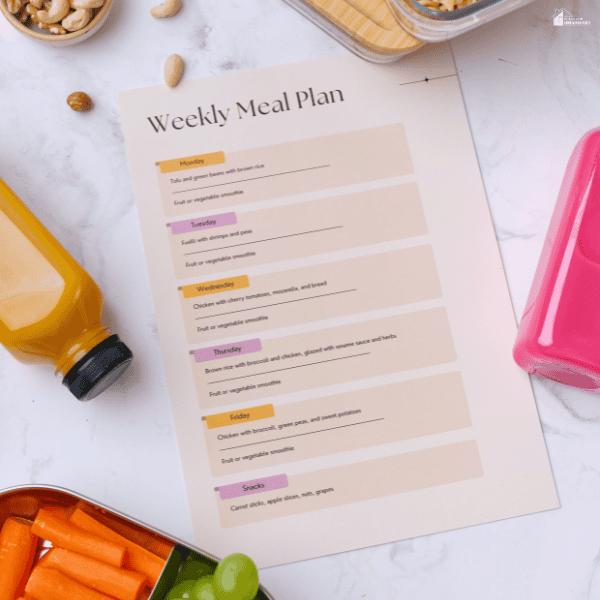
- A Weekly Meal Planning Board: Since your command centre is likely adjacent to the kitchen, a small menu board is a fantastic addition. It stops the daily dinnertime questions from hungry kids and helps significantly streamline your weekend grocery shopping trips.
- A Chore Chart or Routine Checklist: For families with younger children, a visual checklist of morning and evening routines can be a lifesaver. Laminated lists for packing school bags, brushing teeth, and feeding pets help children take ownership of their responsibilities.
Blending Function with Style
Turning a room into a highly functional workspace does not mean it has to look like a sterile corporate office. It is entirely possible to create a multi-use family hub that is both intensely practical and aesthetically beautiful.
The key to achieving this balance is intentional design and visual cohesion. You want the organizational tools to look like deliberate decor choices rather than an afterthought.
When integrating an organizational hub into an open-plan space, design experts strongly recommend repeating one material or colour palette between the wall shelving and the main furniture. This ties the functional zones together visually.
For example, if you have a light oak timber finish on your furniture, try to find wall baskets or picture frames in a matching wood tone. If your chairs feature matte black metal legs, use matte black wire baskets for your mail sorting and document trays. This clever repetition signals to the brain that the space is deliberate and unified.
The current design trend of warm minimalism perfectly supports the command centre concept. Warm minimalism emphasises clutter-free, highly organized environments paired with tactile, durable, and natural materials.
Choose soft linen table runners, natural timber textures, and woven storage baskets. Add calming wall colours, such as sage green or warm terracotta. Together, these elements create a peaceful space for household tasks and relaxed family meals.
Lighting also helps the room serve both purposes. Use bright task lighting to read permission slips, manage budgets, and help with homework. Then, add dimmer switches to overhead pendants or place warm-toned floor lamps in the corners. Once you finish your tasks, soften the lighting to signal that it’s time for dinner.
Turning your dining area into a family command centre can simplify your household routine. Start by planning the space around your family’s daily needs. Make room for meals, homework, and household planning.
Choose durable furniture, use vertical storage, and keep the design consistent. These choices can reduce clutter and make busy mornings less stressful.
A well-planned command centre does more than organize incoming mail. It frees up physical and mental space so you can spend more time connecting with your family.