Advanced Deck Waterproofing Systems
This post may contain affiliate links which might earn us money. Please read my Disclosure and Privacy policies here
Expanding a home’s outdoor space often includes elevated features. These may include multi-story balconies, rooftop terraces, and pedestrian walkways.
Unlike ground-level concrete patios, elevated structures often serve two important purposes. They provide usable outdoor living space while protecting the rooms or garages below. Therefore, they require reliable protection from moisture.
A strong waterproof barrier is more than an aesthetic feature. It also plays an important role in protecting the building. When water penetrates an elevated surface, moisture can reach the structure below.
Over time, water intrusion can cause serious problems. These may include hidden structural damage, mold growth, and severe wood rot. Repairs can also become costly if the problem goes unnoticed.
For this reason, homeowners and property managers should consider more than basic retail sealants. Professionally engineered deck waterproofing systems can provide stronger protection. They can also help protect elevated surfaces and the areas beneath them from long-term moisture damage.
Engaging expert deck waterproofing services ensures the proper application of industrial-grade, multi-layered pedestrian traffic coating systems designed to withstand harsh weather, persistent foot traffic, and the natural expansion and contraction of the underlying building materials.
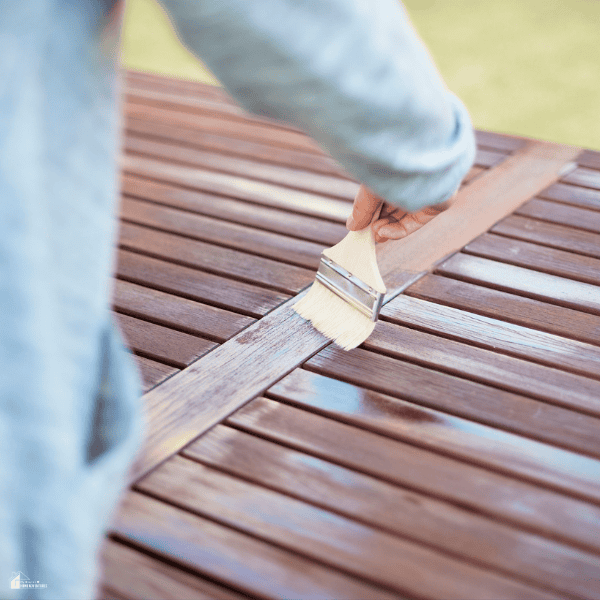
The Unique Vulnerabilities of Elevated Structures
Ground-level wooden decks certainly face their fair share of weather-related challenges, but elevated platforms and roof decks exist in a much harsher microclimate. They are fully exposed to the elements, taking the brunt of direct solar radiation, driving rain, and accumulating snow.
Thermal Shock and Structural Movement
One of the greatest threats to an elevated deck is thermal shock. Throughout a single day, the surface temperature of a balcony can fluctuate wildly. In the afternoon sun, the decking material bakes and expands; as the sun sets, temperatures plummet, causing the materials to rapidly contract.
This constant cycle of expansion and contraction creates immense sheer stress on the structure. If the waterproofing layer applied to the deck is rigid or brittle, this structural movement will instantly cause it to crack, creating microscopic fissures that allow water to penetrate deeply into the substrate.
The Danger to Underlying Substrates
Most residential balconies and roof decks use exterior-grade plywood or poured concrete as their structural core. Both materials remain highly vulnerable to water intrusion.
When water reaches a plywood subfloor, the wood fibers absorb the moisture and begin to decay, leading to a condition known as “dry rot” (which is, ironically, caused by moisture). This compromises the load-bearing capacity of the deck.
For concrete substrates, water intrusion leads to “spalling.” Moisture seeps into the porous concrete and reaches the steel rebar reinforcement inside. The rebar rusts and expands, violently blowing apart the concrete from within.
Understanding Multi-Layer Deck Coating Systems
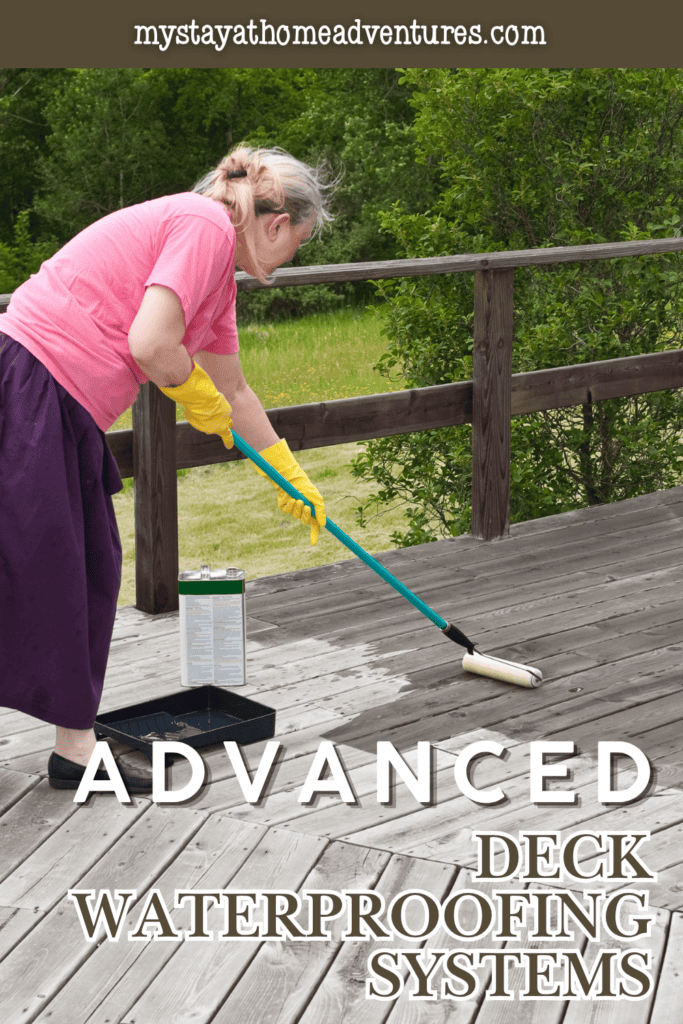
Professional waterproofing is not achieved by simply rolling a single layer of waterproof paint over a surface. True protection requires a comprehensive “system”—a carefully engineered series of chemical layers that work together to provide adhesion, elasticity, durability, and UV resistance.
While specific chemical makeups vary (with polyurethane and acrylic being the most common), a high-quality pedestrian traffic coating system generally consists of the following critical layers:
- 1. The Primer Coat: After the substrate is meticulously cleaned, sanded, and repaired, a specialized primer is applied. This highly penetrating liquid creates a profound chemical bond with the plywood or concrete, ensuring the subsequent layers will not delaminate or peel under heavy use.
- 2. The Elastomeric Base Coat: This is the workhorse of the waterproofing system. It is applied thickly to form a seamless, rubber-like membrane across the entire deck. Its primary characteristic is high “elongation”—the ability to stretch significantly and recover its shape. This allows the membrane to bridge small structural cracks as the building shifts.
- 3. The Wear Coat with Broadcast Aggregate: A tougher wear coat protects the soft elastomeric base coat from friction caused by shoes, furniture, and pets. While the coating remains wet, installers sprinkle silica sand or specialized quartz aggregate across the surface. This material improves durability and creates a slip-resistant texture for safer walking in wet conditions.
- 4. The Aliphatic Top Coat: The final layer is an aliphatic urethane or high-grade acrylic topcoat. “Aliphatic” means it is highly resistant to ultraviolet (UV) light. This coat locks in the aggregate, provides the final desired color, and prevents the system from chalking, yellowing, or degrading under the harsh summer sun.
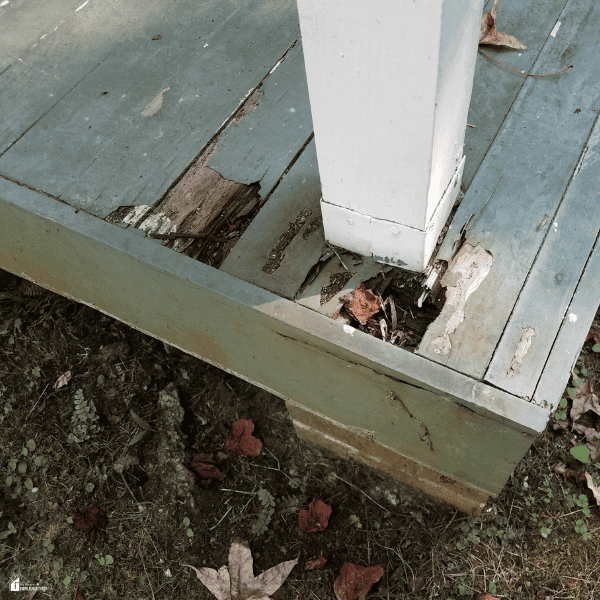
5 Indicators of Impending Waterproofing Failure
Catching a compromised membrane early can save a property owner from having to completely rebuild their balcony or roof deck. Property owners should perform visual inspections every spring and fall, looking specifically for these five warning signs:
- Elastomeric Blistering: If you notice bubbles or blisters forming beneath the colored surface of your deck, it means water vapor or off-gassing from the substrate is trapped beneath the membrane. The coating has lost its bond with the deck.
- Micro-Cracking and Fissures: Inspect the high-stress areas, particularly where the flat deck surface meets a vertical wall. Spiderweb cracks or larger linear fissures indicate that the membrane has lost its elasticity and snapped under tension.
- Flaking and Delamination: If the top color coat is peeling away to reveal a different colored layer or the bare concrete/wood beneath, the system is actively failing and requires immediate professional resurfacing.
- Substrate Deflection: As you walk across the deck, pay attention to how it feels. If the surface feels unusually “spongy” or flexes excessively under your weight, water has already bypassed the membrane and rotted the structural joists or plywood below.
- Interior Ceiling Stains: The most severe red flag is the appearance of brown water stains on the ceiling of the room located directly beneath the deck. By the time water reaches the interior drywall, the exterior waterproofing has been completely breached for a significant amount of time.
The Crucial Role of Flashing and Detailing
Even the most technologically advanced polyurethane membrane will fail if the deck's perimeter details are ignored. The vast majority of deck leaks do not occur in the center of the platform; they occur at the transitions.
Professional installers pay close attention to flashing. These reinforcements are often made from metal or heavy-duty fabric. Installers place them where horizontal decks meet vertical walls. They are also important around sliding door thresholds and structural support posts.
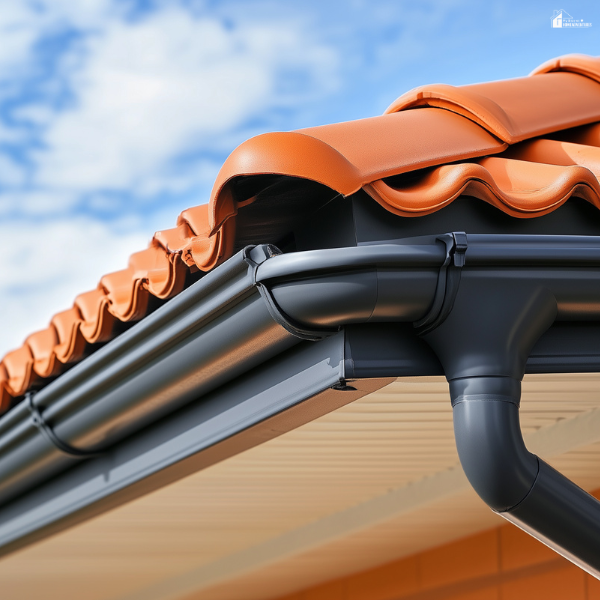
Proper installation helps direct water away from the building. Installers carefully connect the waterproofing membrane with metal edge flashings, scuppers, and drains. As a result, water can drain properly instead of collecting in vulnerable areas.
These small details play an important role in deck waterproofing. Poorly sealed edges and connections can allow moisture to enter the structure. Over time, this may lead to leaks and costly interior damage.
For this reason, DIY waterproofing with basic sealants may not provide enough protection. Professional installation addresses vulnerable areas throughout the deck. It also helps create a more reliable barrier against water intrusion.
The Economics of Proactive System Maintenance
From a financial perspective, deck waterproofing should not be treated as a one-time expense. Instead, consider it an ongoing asset management strategy. The initial cost of a multi-layer elastomeric system can be much lower than repairing serious water damage.
Severe moisture damage can lead to expensive repairs. For example, property owners may need to remove a rotted deck or replace structural joists. They may also face interior drywall repairs and mold remediation. Together, these projects can cost tens of thousands of dollars.
High-quality waterproofing systems are also designed for ongoing maintenance. Property owners should follow a routine maintenance schedule. This typically includes professional cleaning and a fresh, thin topcoat every five to seven years. With proper care, the waterproof base coat may last for decades.
Preventive top-coating offers several benefits. It restores UV protection and refreshes the deck's color. It also renews the slip-resistant texture. Most importantly, this maintenance can cost much less than replacing the entire waterproofing system.
Elevated decks, balconies, and rooftop terraces create valuable outdoor living spaces. They can provide areas for relaxation and scenic views. In addition, these features may improve a property's livability and market value.
However, elevated outdoor spaces face constant exposure to harsh weather. As a result, they need reliable structural protection. Multi-layer elastomeric traffic coatings provide more protection than standard paints or thin sealers.
Investing in a professional waterproofing system can help protect the entire structure. It safeguards the outdoor living area and the interior rooms below. Proper waterproofing can also reduce the risk of leaks and moisture-related damage.
Property owners should not wait for visible warning signs. Water stains on ceilings or soft floorboards may indicate an existing problem. Regular inspections and maintenance can help identify issues sooner.
Prioritizing deck waterproofing can help protect your property for years. With proper care, an elevated outdoor space can remain safe, attractive, durable, and resistant to leaks.