The DIY Mistake I Make Every Time I Start a Home Project
This post may contain affiliate links which might earn us money. Please read my Disclosure and Privacy policies here
I don't know why I keep doing it. Every time I start a DIY project, I convince myself that this one will be quick. A simple shelf, a garden bed, a gallery wall, or a little furniture makeover. In my head, it's always a weekend project that will take a few hours at most.
Over the years, I've learned that most DIY mistakes don't happen because of poor tools or lack of effort. They happen because I rush the planning stage.
Whether I'm trying to find the exact center point for a gallery wall using a midpoint calculator or trying to calculate the circumference of a circular flower bed before buying materials, the projects that turn out best are always the ones where I spend a little more time measuring and a little less time guessing.
And then somehow, despite knowing this, I'm still capable of standing in the middle of a half-finished project three days later, wondering where it all went wrong.
The Two Measurements I Always Double-Check Now
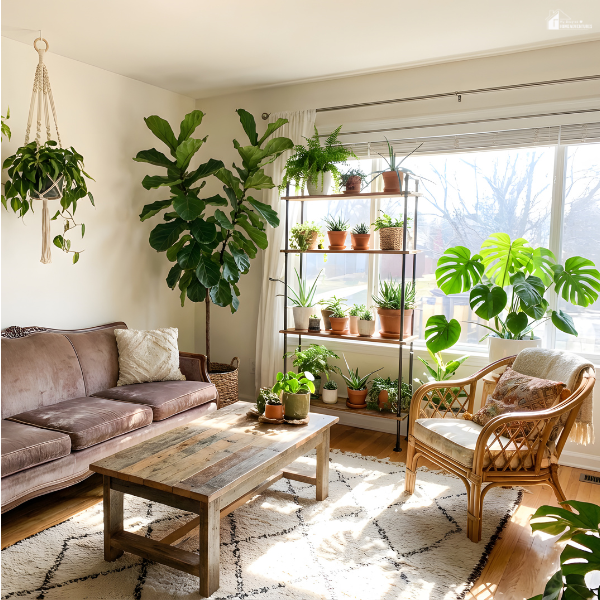
A few years ago, I decided to install floating shelves in our living room.
It seemed straightforward enough. I carefully picked the shelves, bought the brackets, measured the wall, and confidently started marking where everything would go. A couple of hours later, I stepped back to admire my handiwork and immediately noticed that something looked slightly off.
The shelves weren't centered.
Not dramatically, and probably not enough for most people to notice, but enough that I saw it every single time I walked into the room.
That's when I started paying much closer attention to finding the true midpoint whenever I was working on projects around the house.
Whether you're hanging artwork, installing shelves, creating a gallery wall, or positioning furniture, getting the exact center point can make a bigger difference than you might think. Using a midpoint calculator takes away the guesswork and helps ensure everything feels balanced from the start.
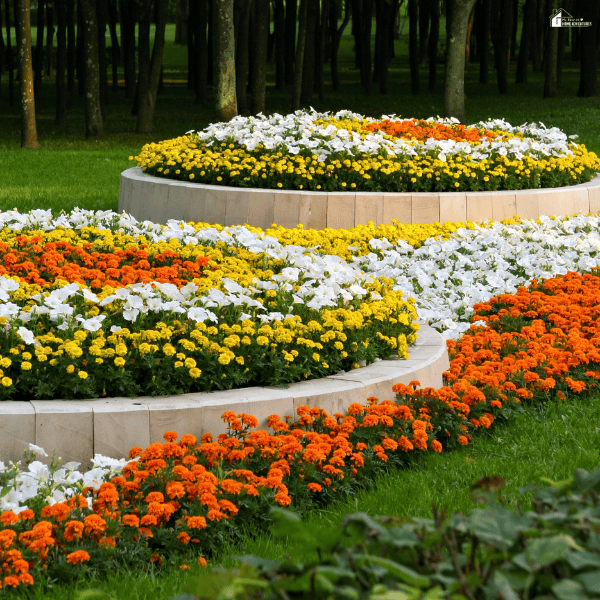
Around the same time, I was planning a circular flower bed for the garden and quickly discovered that estimating measurements wasn't quite as easy as I thought. That's when I found myself using a circumference calculator to figure out exactly how much edging material I needed.
If you're creating anything round, whether it's a fire pit area, circular patio, flower bed, or decorative feature, being able to calculate the circumference accurately can save both time and money.
Those two lessons alone have probably saved me from countless DIY headaches.
Why Measuring Is the Least Exciting but Most Important Part
If we're being honest, measuring isn't the fun part of DIY.
Nobody scrolls through Pinterest looking for inspiration and thinks, “I can't wait to spend my Saturday calculating dimensions.”
We're drawn to the finished results. The beautiful reading nook, the perfectly styled shelf, the custom garden bed, or the stunning feature wall.
What we don't always see is the planning that happened beforehand.
The more DIY projects I've tackled, the more I've realized that experienced DIYers aren't necessarily better builders, they're often just better planners. They spend time measuring, sketching, and checking details before they ever pick up a drill or paintbrush.
Whenever I'm tempted to skip that stage, it usually comes back to haunt me later.
The Problem With “Eyeballing It”
For years, I genuinely believed I was good at estimating measurements.
Looking back, I was mostly just guessing with confidence.
Unfortunately, timber, tiles, paint, and landscaping materials don't care how confident you feel. They care about numbers.
One thing I've noticed about successful DIY projects is that they rarely happen by accident. There's usually a lot more preparation behind the scenes than people realize.
Accurate measurements may not be exciting, but they make the entire process smoother and often save both time and money.
I've lost count of the number of times I've had to make an extra trip to the hardware store because I assumed I had “roughly enough” materials. More often than not, roughly enough turns out not to be enough at all.
Making DIY More Enjoyable
One of the reasons I enjoy DIY projects so much is that they allow me to create something personal for our home. There's a real sense of satisfaction that comes from stepping back and seeing a finished project that started as nothing more than an idea.
At the same time, I've learned that DIY becomes much more enjoyable when I stop trying to rush through it.
Taking a few extra minutes to measure properly, double-check calculations, and plan ahead doesn't take away from the creative side of a project. In fact, it usually makes the final result better.
These days, before I start cutting wood, drilling holes, or planting flowers, I spend a little more time working everything out first. It might not be the most exciting part of the process, but it has saved me countless headaches.
And unlike that slightly crooked shelf in my living room, I no longer spend years noticing mistakes that could have been avoided with a little patience, a tape measure, and a bit of planning.