Can You Wear Wearables During Intense Workouts?
This post may contain affiliate links which might earn us money. Please read my Disclosure and Privacy policies here
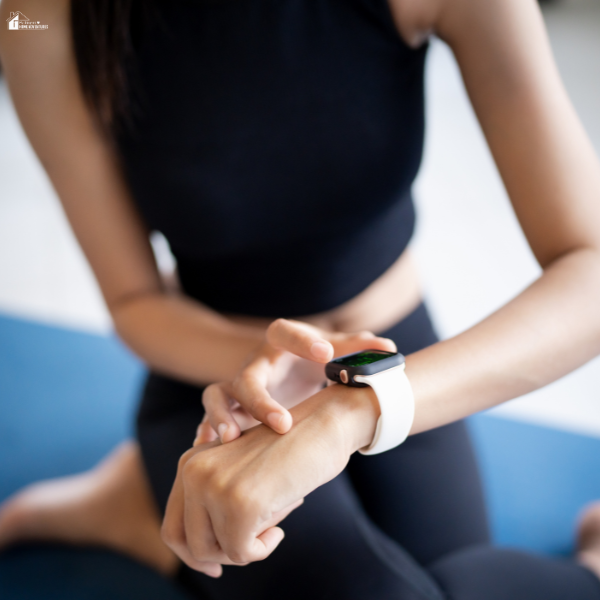
Wearables like smartwatches and fitness bands have become common in gyms and training sessions. Many people now use them to track heart rate, calories, and performance during workouts.
But a big question remains: can you safely wear them during intense exercise without issues? Let’s explore how they really perform under pressure.
Key Takeaways
- You can use wearables to track heart rate, performance, and progress in real time during workouts.
- You should expect lower accuracy during intense training like HIIT and heavy lifting.
- You should rely on trends instead of exact numbers and use a chest strap for better accuracy when needed.
- You improve motivation, efficiency, and recovery by using wearable data to guide your training.
- You should avoid over-relying on devices and manage distractions, comfort, and privacy settings.
Understanding Wearables and Their Role in Fitness
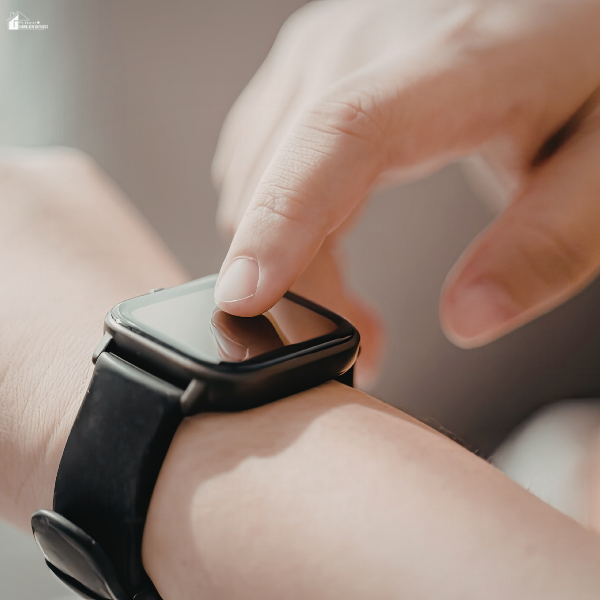
You use wearable technology like smartwatches and fitness trackers to monitor activity, heart rate, sleep, and GPS data in real time. These devices help you improve workouts, stay in safe training zones, and build healthy habits.
Studies show you may increase daily steps by about 1300 while receiving personalized insights for fitness and health management overall and better performance outcomes.
How Accurate Are Wearables During Intense Workouts?
You use wearable trackers for heart rate tracking during workouts. They are accurate during steady state and low-intensity exercise. Accuracy drops in high-intensity training like HIIT and lifting. Wrist devices can have errors of ten to twenty percent.
Calories burned estimates can be very inaccurate during hard workouts. Use a chest strap for better accuracy and trust trends only.
Can You Wear Wearables During Intense Workouts?
You can wear wearables during intense workouts to track heart rate, calorie burn, and workout intensity, which can help improve performance and safety. However, wrist-based devices may be less accurate during HIIT or strength training and can sometimes feel uncomfortable or affect your grip.
For better accuracy, consider using a chest strap, adjust the band for a secure fit, and prioritize comfort for the best results.
Do Wearables Impact Your Workout Performance?
You can use wearable devices to improve workout performance by tracking heart rate, oxygen levels, pace, and power in real time. This helps you adjust intensity, avoid overexertion, reduce injury risk, and stay motivated through goals and reminders.
Wearables can also support recovery by monitoring sleep and heart rate variability, while helping refine technique with metrics like cadence and biomechanics. Results are best when you actively use the data to guide your training.
How to Choose the Best Wearable for Intense Workouts?
You choose a wearable for intense workouts by focusing on accurate heart rate tracking, HRV recovery metrics, and strong GPS endurance data. You prefer durable water-resistant materials and long battery life.
Pick smartwatches like Garmin Venu three or Forerunner two hundred sixty five, Whoop five, Fitbit Charge six, or Apple Watch. Use a chest strap for accuracy always precise.
Benefits of Using Wearables During Intense Exercise
Real-Time Performance Tracking
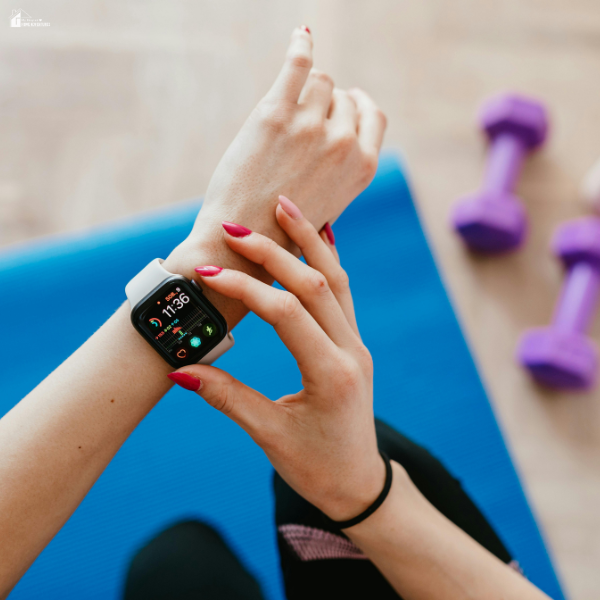
Wearables track speed, steps, distance, calories, and reps during intense exercise. They display results instantly on screens so users see progress while training. Athletes adjust intensity or pace right away when they notice changes in performance.
These devices also measure workout volume like sets and movement count. Instant feedback pushes motivation higher because users see small wins during exercise. Smartwatches and advanced fitness bands usually provide the most accurate and consistent data for real-time tracking.
Heart Rate Monitoring
Heart rate shows how hard the body works during exercise. Wearables use sensors on the wrist to measure pulse continuously and give real-time readings. Users stay in safe training zones by checking whether they push too hard or stay too light.
High or irregular heart rates often signal overtraining or fatigue. This data helps improve endurance by guiding steady effort over time. Alerts warn users when they exceed safe limits, helping them avoid overexertion and train more safely.
Improved Workout Efficiency
Wearables improve workout efficiency by guiding users to train smarter, not harder. They reduce wasted effort by showing when intensity drops or rises too fast. Many devices suggest ideal effort levels based on goals and fitness data.
Users set clear targets like fat loss or strength and track progress daily. They also estimate calorie burn to balance diet and exercise. With timers, reminders, and structured feedback, wearables help people manage workout time better and stay focused on results.
Injury Prevention
Wearables help prevent injuries by tracking body stress during exercise. Some devices detect poor movement patterns and guide users to correct form. They also warn when the body shows signs of overtraining or fatigue.
Rest reminders encourage breaks, which reduce strain on muscles and joints. By monitoring workload, they help users avoid pushing too hard too often. Beginners benefit the most because alerts teach safe habits early and reduce the risk of common training injuries.
Enhanced Recovery Tracking
Recovery tracking matters because the body grows stronger during rest, not just exercise. Wearables measure recovery time using heart rate, activity levels, and sleep data, and even scenarios like using an Apple Watch in a sauna can support relaxation and muscle recovery after workouts.
They also track sleep quality to show how well the body repairs itself overnight. Some devices detect muscle fatigue by analyzing daily strain. They suggest rest days when the body needs recovery.
This data helps users plan smarter workouts in the future and avoid burnout while improving long-term performance and fitness results.
Goal Setting and Progress Tracking
Wearables help you set clear fitness goals like steps, calories, heart rate zones, and workout time. You can choose daily or weekly targets and follow them easily on your device. They track your movement, heart rate, and calories in real time so you always see your progress.
This instant feedback helps you understand how hard you train and when you need to push more or slow down. The data also helps you improve performance by showing patterns over time. You can adjust your workouts based on results and train smarter for better fitness outcomes.
Increased Motivation
Wearables increase your motivation by showing your daily progress in a simple way that keeps you active. You feel encouraged when you complete streaks and earn badges for reaching fitness goals. Reminders push you to move even on busy or lazy days.
Friendly competition with friends or your own past results makes workouts more exciting and fun. Real-time feedback shows instant improvement so you feel rewarded during exercise. This constant support builds your confidence and helps you stay committed for the long term.
You keep training regularly because you enjoy tracking success and seeing your fitness improve every day.
Potential Risks and Limitations of Wearables in Workouts
Accuracy Issues in Fitness Tracking
Wearable fitness trackers often raise concerns about accuracy during real workouts. Heart rate readings can change when the device shifts or when sweat builds up. Step counters may count extra arm movements as steps or miss real walking.
GPS tracking can fail in crowded areas or indoors, giving wrong distance results. Calorie burn numbers rely on general formulas that do not match every body. Sensor quality, fit, and activity type all affect results.
Because of these limits, users should not trust the data fully and should use it as general guidance instead of exact fitness measurement.
Over-Reliance on Data and Metrics
Many users depend heavily on wearable data instead of listening to their own body. They often focus too much on steps, calories, or daily goals and ignore signs of fatigue or discomfort. This can weaken natural body awareness and lead to unbalanced workouts.
When devices stop working or are forgotten, motivation may drop because users rely on constant feedback. Some people even push too hard just to hit targets instead of resting properly.
A balanced approach works better, where data supports training but does not control every decision, and body signals still guide overall fitness choices.
Privacy and Data Security Concerns
Wearable devices collect sensitive information like heart rate, sleep patterns, daily activity, and location. Most of this data gets stored in cloud systems managed by companies. Some brands may share anonymized data with third parties for research or marketing.
If a security breach happens, personal health and location details could be exposed. Many users do not fully understand how much data these devices gather every day.
To stay safer, users should adjust privacy settings, use strong passwords, limit data sharing, and choose trusted brands that follow strict security and data protection rules.
Physical Discomfort and Skin Irritation
Wearable fitness devices can sometimes cause discomfort during long workouts or daily use. Tight straps may press against the skin and leave marks after exercise. Sweat trapped under the device can lead to itching, redness, or irritation, especially during intense activity.
Some materials also trigger allergies in sensitive skin. Wearing a device for many hours may increase pressure on the wrist and reduce comfort.
To prevent these issues, users should choose breathable straps, clean the device regularly, and adjust the fit properly. Taking short breaks from wearing it can also help keep the skin healthy.
Battery Life and Technical Limitations
Battery life plays a major role in how useful wearables are for fitness tracking. Most devices last from one to several days depending on features and usage. GPS tracking and continuous heart rate monitoring drain the battery much faster than basic step counting.
If the battery dies during a workout, users may lose important activity data. Frequent charging can feel inconvenient for daily users. Sometimes software updates also increase power usage.
To manage this, users can limit unnecessary features, reduce screen use, and charge the device regularly to ensure uninterrupted tracking and better workout consistency.
Cost and Accessibility Barriers
Wearables cost a lot because companies use advanced sensors and technology. Many beginners and low income users cannot afford them. Some apps also add extra fees for premium tracking, which raises total cost.
Latest devices are not available in every store or region, so buying becomes harder. Repairs and replacements also increase long term expenses. Because of these costs, fitness technology stays limited for many people.
This creates unequal access where only some users enjoy full tracking benefits while others miss modern workout tools. This also slows fitness adoption globally in daily life today.
Potential Distraction During Workouts
Wearables distract users during workouts because notifications pull attention away from exercise. Many users check heart rate and steps too often, which breaks focus. Alerts from messages interrupt training and reduce intensity.
Overreliance on numbers can harm performance because users ignore body signals like fatigue or pain. This habit reduces body awareness and makes people depend more on screens than instinct. It also disrupts workout flow and makes sessions less smooth.
Instead of staying present, users switch attention between exercise and data, which lowers training quality.