Are Metal Buildings Loud in the Rain? 6 Steel Building Myths Checked
This post may contain affiliate links which might earn us money. Please read my Disclosure and Privacy policies here
It is understandable why people question how loud a metal structure is when it is raining outside. Usually due to them being uninsulated, but they do not have to be uncomfortable.
Accompanying a metal structure with insulation, acoustic finishes, seals on openings and interior framing, can drastically reduce the noise from the rain and can make a substantial difference. This is why these features are typically applied to the designs of Quonset huts.

Why Rain Sounds Louder on Metal
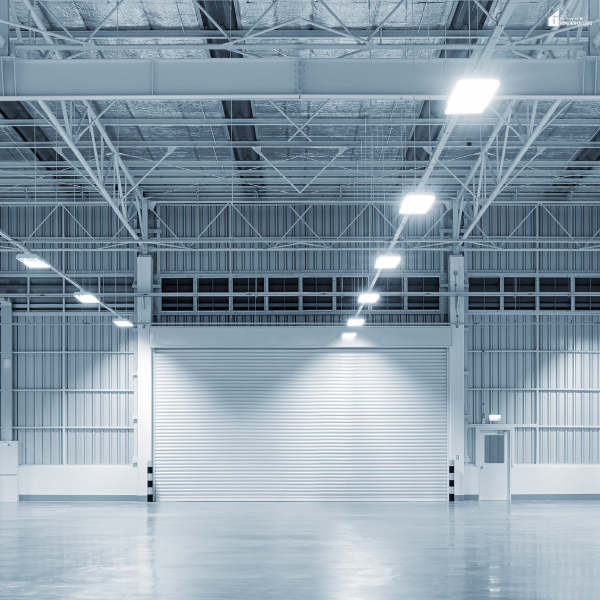
Rain typically creates vibration when droplets strike a thin metal panel. A building that is empty can amplify that sound because hard floors, with bare steel and open interiors reflect the noise being created rather than absorbing it. Other influences of noise may come from roof gauge, rainfall, ceiling heights and internal contents.
The solution to diminish the noise is not as simple as choosing a thicker steel to work with. To create effective sound control there needs to be a combination of insulation, air sealant, reduction of vibration and absorbent interior surface. They will also need support for temperature and condensation control.
The Quonset hut, for example, has been designed and utilized for a range of purposes to suit modern day living. Modern metal building myths debunked by Steelmaster utilize their expertise to separate practical design with the myths being passed round, which helps buyers when planning their future builds with this material.
Myth 1: Every Metal Building Is Deafening in Rain
An unfinished steel shell sounds considerably different from a wood-framed room during a downpour. A properly finished building can significantly quiet the internal noise. Spray foam insulation can reduce vibrations in a metal building’s shell. Framed walls and ceilings leave room for additional sound-absorbing materials.
Equipment, shelving, and boxes can break up echoes in a storage building, making rain noise less distracting. A recording room or office usually needs more acoustic treatment than a machinery shed.
Myth 2: Insulation Only Controls Temperature
For many, insulation is seen as something that is merely thermal. However, insulation can also be used for acoustic benefits. Insulation types, especially foam ones, absorb sound, with the drawback of its moisture behavior which needs to be considered when used.
Fiberglass or mineral wool installed behind an interior liner can absorb sound effectively as well. Mineral wool supports fire resistance and acoustic performance. Insulation needs appropriate climate condensation and vapor control.
Myth 3: Quonset Huts Cannot Have Quiet Interiors
A Quonset hut, a well-designed metal structure can be customized so that it has several noise reducing features implemented. The best combination depends on the building’s use.
| Added Feature | How It Helps With Sound |
| Spray foam insulation | Reduces panel vibration and seals gaps |
| Mineral wool batts | Absorbs airborne sound behind framed finishes |
| Acoustic ceiling panels | Limits echoes in large, open interiors |
| Insulated doors | Reduces sound transfer through large openings |
| Double-pane windows | Limits exterior noise and improves energy performance |
| Interior wall liner | Creates a cavity for insulation and softens reflections |
The door and window frames need to be sealed carefully when added into the metal structure as the smallest of gaps can transmit sound even if the walls have been insulated.

Myth 4: A Steel Building Will Always Echo
With a structure made from metal, the hard reflective surface will naturally create an echo. The design of the concrete floors, metal walls and an empty curved ceiling can create multiple reflection points. If rubber flooring was introduced, alongside acoustic panels, fabric treatments, and furnishings can help reduce the reverberation.
Myth 5: Adding Windows and Doors Makes Noise Worse
Poorly fitted openings can leak sound, but quality units improve comfort. Insulated overhead doors, solid-core entry doors, double-pane windows, weatherstripping, and acoustic sealant create a tighter envelope.
Plan openings before ordering the kit. Retrofitting may require reinforcement, while careless cutting can cause leaks or structural problems.
Myth 6: Soundproofing and Sound Absorption Are the Same
Alongside the additional elements added to the metal structures, there can be further soundproofing added. Soundproofing limits noise passing into or out of a space meanwhile sound absorption reduces echo within it. For a metal structure like a quiet Quonset hut often needs both approaches.
Use sealed doors, layered walls, and isolated rooms to block sound. Add mineral wool, acoustic panels, or soft finishes to control reverberation. Place machinery on isolation pads so vibration does not travel through the structure.
Frequently Asked Questions
Is spray foam enough to stop rain noise?
It reduces vibration, but offices and studios may need a more upgraded insulation like mineral wool, framing, or acoustic panels.
Can an existing Quonset hut be made quieter?
Yes. Upgrades can be made which include insulation, framing, acoustic panels, sealed openings, and equipment pads.
Are thicker steel panels quieter?
They may vibrate less, but panel thickness alone does not replace insulation, sealing, and interior sound absorption.
Which Quonset hut uses need the most sound control?
Offices, studios, classrooms, and noisy workshops need more treatment than basic storage.
The simple answer is, is that a metal building is definitely loud during a downpour of rain. But so are many structures if they were an empty shell. Metal will make a considerable difference in the sound creation but with modern elements that will be added to a metal structure will dimmish the sound considerably.