Smart Solar Pond Aerators for Better Water Quality
This post may contain affiliate links which might earn us money. Please read my Disclosure and Privacy policies here
Backyard ponds should feel like a calm, low-effort feature, not a weekly problem-solving session. If you are aiming for better water conditions, healthier fish, and clearer, fresher-smelling water, solar pond aerators are one of the most practical upgrades you can make.
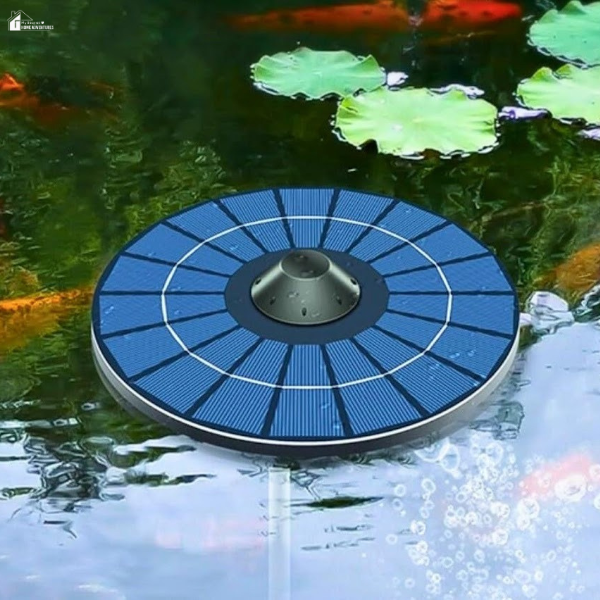
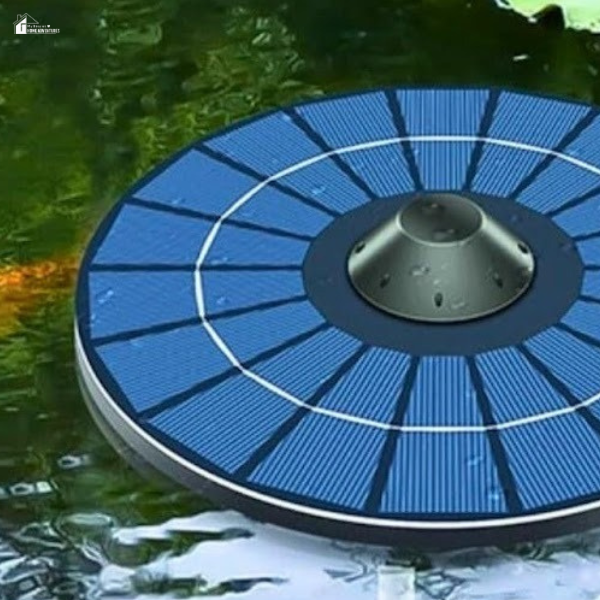
A solar aerator for pond setup uses solar panels to power aeration, keeping your pond oxygenated without relying on the grid. This is essential for ponds far from outlets and for homeowners who want a cleaner, cord-free yard setup.
How Solar Pond Aeration Works
Pond water contains dissolved oxygen, which supports the entire ecosystem. Fish need it to thrive, and beneficial bacteria rely on it to break down organic material. Dissolved oxygen is what keeps fish active and healthy, and it's essential for maintaining biological balance in your pond.
Think of aeration like ventilation for water. You are improving conditions so the pond runs better with less manual intervention. Whether you're focused on fish health or just want a pond that stays clearer and smells fresher, steady oxygen makes a measurable difference.
Why Solar Pond Aerators Make Sense for Homeowners
Solar pond aerators solve several common frustrations at once:
- No Trenching or Long Power Runs: Solar helps when the pond is far from your home, shed, or outdoor outlet.
- Less Dependence on the Grid: Solar aeration that focuses on oxygenation without reliance on grid power.
- Cleaner Outdoor Organization: Fewer cords and fewer workarounds mean a tidier, more functional yard.
Solar is also more affordable and accessible than it used to be, which is why solar-powered outdoor equipment has become a realistic option for everyday homeowners.
Choosing Solar Pond Aerators: Direct Drive vs Battery Backup
Not all solar pond aerators behave the same way. The right choice depends on your sunlight, your goals, and whether you need after-dark operation.
Direct Drive Solar Pond Aerators
Direct-drive models typically operate only when the solar panel is producing power, so performance depends on sunlight. If your main goal is to improve daytime circulation and support oxygen delivery during the warmest, brightest hours, direct drive can be a simple and cost-conscious entry point.
Solar aeration systems use photovoltaic panels to power an aerator pump directly or charge batteries, depending on the system type.
Battery Backup Solar Pond Aerators
If you keep fish, oxygen consistency matters. Battery backup systems store energy and can continue aeration beyond peak sun or during cloudy periods. Pond Haven highlights optional battery backup, describing it as a way to keep bubbles flowing when conditions are less sunny.
Battery backup works like a home backup power system: it stores energy during sunny hours and keeps things running when conditions are less ideal. For pond owners, this means steadier oxygen levels even during cloudy stretches or overnight.
Why “Continuous Oxygenation” Still Requires Real-World Planning
In practice, homeowners should still plan for:
- Panel placement: Shade reduces output
- Seasonality: shorter winter days can lower solar production
- Goals: decorative pond needs differ from fish pond needs
This is why choosing the right system type matters as much as the idea of “solar” itself.
Why Nutrient Runoff Can Trigger Low Oxygen
A lot of pond frustration starts in the landscape around the water. Grass clippings, fallen leaves, and fertilizer runoff can add nutrients that “feed” algae. When nutrients like nitrogen and phosphorus wash into your pond, they act like fertilizer for algae.
Excessive algae growth leads to blooms, and when those algae die off, the decomposition process consumes oxygen. This can create low-oxygen conditions that stress fish and damage water quality.
Aeration does not remove nutrients on its own. Still, it can help support healthier oxygen conditions and reduce the severity of low-oxygen stress events, especially when paired with good yard habits (like redirecting runoff and avoiding over-fertilizing near the pond).
A Simple Sizing Checklist for Solar Pond Aerators
You do not need engineering math to choose solar pond aerators. Use this homeowner-friendly checklist to make a confident decision:
- Pond Size and Depth
More water volume usually means more aeration demand. - Fish Load
Fish ponds generally benefit from more consistent oxygen support than decorative ponds. - Sun Exposure Where the Panel Will Live
Choose the sunniest location you can, and keep it reachable so you can wipe dust and pollen off occasionally. - Your Main Goal
Daytime circulation support and general pond “freshness”, more consistent oxygen support, especially for fish, using battery backup options.
- Nutrient Pressure From the Yard
If your pond sits downhill from garden beds or lawn areas, the risk of nutrient runoff increases, making steady oxygen support even more important.
DIY Installation Tips That Keep Things Functional and Neat
A good install is half performance and half practicality, especially for readers who care about outdoor organization.
Start With Panel Placement First
Before you run tubing or place diffusers, decide exactly where the solar panel will sit for maximum sun exposure. This step prevents rework later and helps the system deliver consistent output.
Route Tubing Like a “No-Trip” Outdoor Project
Keep airline tubing and wires away from mowing paths, play areas, and gates. Tuck lines along edging, behind rocks, or within planting borders. This keeps the yard safer, cleaner-looking, and easier to maintain.
Keep Maintenance Realistic
A practical routine that most homeowners can stick with:
- Wipe the panel surface periodically so the output stays strong
- After storms, check tubing for kinks or pulled connections
- Skim excess leaves because decomposing debris consumes oxygen over time
When to Pair Aeration With Filtration or a Pond Fountain
Aeration supports oxygen and circulation. Filtration can help reduce suspended debris and organic buildup. Pond fountains can add surface movement and visual appeal.
If your goal is a pond that looks good and stays easier to manage, combining tools can be smart. For example:
- Aeration for oxygen support
- Filtration for debris and fine particles
- A fountain for surface agitation and aesthetics
The right mix depends on whether the pond is ornamental, fish-focused, or a hybrid water garden.
Off-Grid Oxygen is the Next Wave of Pond Maintenance
If you want a pond that stays more stable with less fuss, solar pond aerators are a strong next step. Start with the basics: pick the sunniest panel location, choose direct drive vs. battery backup based on your goals, and keep the install tidy so it fits your outdoor space rather than cluttering it.
With the right setup, solar-powered aeration becomes a practical, organized, DIY-friendly way to support pond oxygen without running electricity to the water’s edge.