How to Enhance Your Rental Property Value
This post may contain affiliate links which might earn us money. Please read my Disclosure and Privacy policies here
A rental unit that looks cared for rents faster and keeps residents longer. Small fixes, done well, build trust with applicants. They also reduce emergency calls, which keeps stress and costs lower across the year.
If you are renting out a home in Fairfield County, roof and exterior work often set the tone. Owners who start with secure shingles, clean siding, and tidy trim see fewer issues later. For local support, many owners rely on Monroe roofing partners who know New England weather and material performance.
Start With What People See First
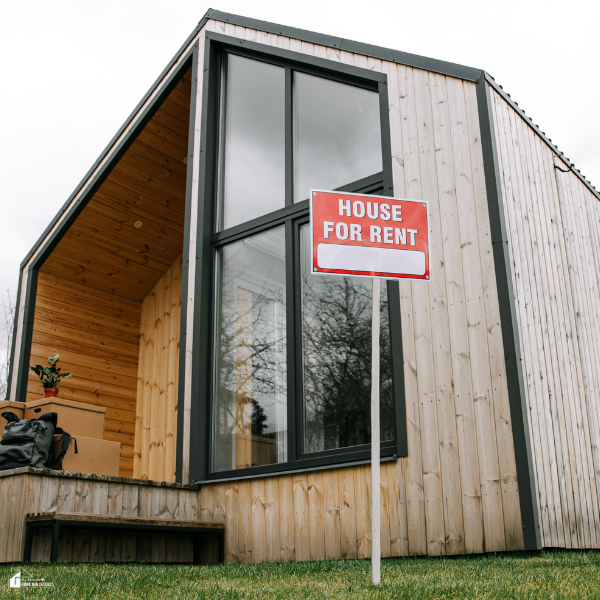
Curbside impressions shape how applicants feel before the showing even starts. A straight roofline, neat gutters, and healthy paint suggest a steady owner. That feeling often translates into better care from the tenant during the lease.
Focus on parts that age fastest in our climate, like shingles, fascia, and caulked joints. Replace missing shingles before water travels under the deck and swells interior drywall. Wash siding, clear downspouts, and add fresh numbers so the address reads easily from the street.
Small exterior extras can lift perceived value without heavy spending. Try these affordable touches between turns:
- Swap a tired mailbox and add an LED porch light with dusk sensors.
- Refresh mulch, trim shrubs, and edge paths so the entry looks tidy year-round.
- Install a door viewer and a solid deadbolt for a simple security boost.
Cut Utility Costs With Practical Envelope Upgrades
Renters notice drafty rooms, sweating windows, and uneven temperatures between floors. Those issues hint at higher bills and lower comfort during summer heat and winter storms. You protect your rent and tenant satisfaction by tightening the shell and sealing obvious gaps.
Start with windows and attic insulation, because both usually deliver reliable paybacks. Double-pane replacements reduce outside noise and improve comfort during extreme temperatures. Air seal the attic hatch, weatherstrip doors, and foam plumbing penetrations before adding new insulation.
An energy assessment shows where dollars go missing and which fixes return savings fastest. The United States Department of Energy explains how energy audits work and which improvements matter most for homes.
Their guidance helps smaller landlords pick upgrades with measurable results and clear priorities, not guesswork or fads. See the overview on home energy assessments at energy.gov for neutral, practical steps.
If you decide on new windows, favor low-maintenance frames and simple, reliable hardware. Choose neutral finishes that match most paint colors and do not date quickly. Keep receipts and product warranties in a single folder for quick reference during future service calls.
Build Durability Into Roofs, Siding, And Exterior Trim
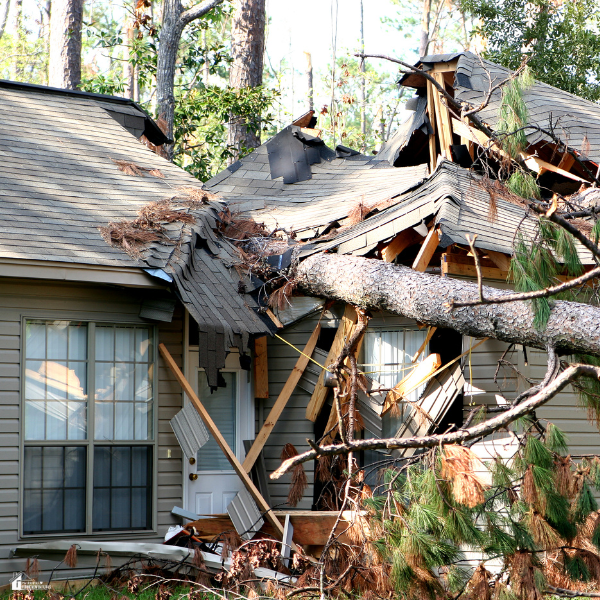
Water is the enemy of low-stress landlording because it travels fast and hides damage. A tight roof with sound flashing protects everything below, from sheathing to finished floors. Schedule quick inspections after major storms so small issues do not become big repairs.
Choose shingles with proven hail and wind ratings suitable for Connecticut seasons. Ask for proper underlayment, quality drip edge, and sealed penetrations around vents and stacks. Good details keep plywood dry and stop stains from showing in upper bedrooms.
Siding and trim also deserve routine attention because joints move with temperature swings. Recaulk vertical seams, replace cracked clapboards, and touch up paint near ground splash zones. These small repeats stand between you and swollen wood, peeling paint, and pest intrusion.
Plan Maintenance Like A Business, Not A Hobby
A written maintenance calendar keeps spending predictable and helps tenants feel supported. Note spring gutter cleaning, fall furnace checks, and annual dryer vent service on one sheet. Share expected dates with residents so visits feel organized and respectful of schedules.
Create tiers for repairs so requests move without confusion or negotiation each time. Life safety moves within twenty-four hours, essential services within forty-eight hours, cosmetic items later. This rhythm lowers anxiety for everyone and protects your rent from preventable disputes.
Stock a small parts kit for frequent fixes that delay larger trouble. Keep smoke detector batteries, faucet cartridges, P-traps, toilet flappers, and outlet plates ready in bins. A one-hour visit with the right part beats waiting days for a second trip.

Treat Safety, Permits, And Documentation As Value Drivers
Tenants measure value through safety as much as square footage or shiny finishes. Working detectors, secure handrails, and safe egress create confidence that brings longer tenancies. Those basics also reduce the chance of injury claims and urgent midnight calls.
Document upgrades with photos, dates, and contractor details so you have proof of condition. Organized records support insurance conversations and smooth future buyer inspections if you decide to sell. Good files also help set fair deposit deductions if damage goes beyond normal wear.
Minimum standards exist for rental safety and habitability in most jurisdictions. For Connecticut rentals, review the state’s landlord and tenant statutes in Title 47a to align your checklist with duties on heat, utilities, and property upkeep. This state resource is plain-language and easy to reference when setting maintenance policies.
Make The Numbers Work Without Sacrificing Livability
Strong rent grows from a clean, safe unit with predictable running costs for families. Budget each turn in small buckets, like exterior upkeep, energy upgrades, and interior refreshes. Keep a reserve equal to three months of rent so surprises do not derail plans.
Rank projects by return to rent, tenant appeal, and risk if deferred for one season. A watertight roof outranks new countertops because leaks ruin cabinets and flooring quickly. Fresh paint and clean flooring usually beat a luxury appliance package for application pull.
When bigger projects arise, compare contractor bids that reference the same material choices. Ask for scope lines that include prep, disposal, and any needed permits or inspections. Clear comparisons stop change orders that surprise you halfway through the work.
Closing costs matter to owners who later exit or refinance after steady operation. Well-documented exterior improvements often support better appraisals during financing or sale events. Buyers and lenders prefer properties with records that show care and consistent planning.
Bring It Together For Steady Value
Small, steady upgrades keep rent stable and tenant turnover low across the years. Start where water and weather do the most damage, then tighten the shell for comfort.
Plan maintenance on a calendar, document what you do, and keep simple parts stocked. When big work arrives, lean on regional pros who know the climate and material behavior.