
Simple Ways to Protect Your Home and Family
This post may contain affiliate links which might earn us money. Please read my Disclosure and Privacy policies here
Protecting your home and family is a journey that starts with small, intentional habits. While technology offers many flashy solutions, the most effective security often comes from being consistent with the basics.
Creating a safe environment means looking at your physical property, your digital life, and the daily routines that keep everyone out of harm-way.

Start with Daily Habits
Safety is often about the simple things we do before we leave the house or go to bed. One homeowner shared that they improved their security by making a habit of checking every window each night.
It is easy to overlook a side window that was opened for a breeze and forgotten. Taking 5 minutes for a final walkthrough can prevent the most common types of unauthorized entry.
Regularly inspecting your locks and entry points helps you spot wear and tear before it becomes a problem. Loose hinges or cracked frames can make a door much easier to force open.
Making these checks part of your evening routine ensures that your home defenses are always ready. It also gives you peace of mind as you drift off to sleep.
Secure Your Entry Points
Most people focus on the front door, but intruders look for any point of weakness. Statistics show that 70% of home burglaries involve entry through doors, and many of these happen while the residents are actually inside.
Upgrading to heavy-duty deadbolts and reinforcing door frames with longer screws can make a significant difference.
If you have a large property, you might consider consulting automated gate specialists to secure your perimeter. These professionals can ensure your driveway remains a controlled entry point rather than an open invitation.
Adding a physical barrier at the edge of your property creates a psychological deterrent that keeps unwanted visitors away from your front porch.
Maintain Your Safety Equipment
Life gets busy, but your safety hardware needs regular attention to remain reliable. You should test your smoke alarms at least once a month and replace the batteries. A failing alarm is a silent risk that can be avoided with a quick push of a button.
It is also wise to check the expiration dates on fire extinguishers located in the kitchen or garage.
Carbon monoxide detectors are just as vital as smoke alarms for indoor safety. These devices can sense odorless gases that are impossible for humans to detect on their own.
Keeping them in hallways near bedrooms provides an extra layer of protection for your family during the night. A few dollars spent on new batteries is a small price for total security.
Modern Security Trends
The way we protect our homes is changing rapidly as technology becomes more accessible. Experts expect the home security system market to grow to over $5 billion by 2029.
This growth means more options for homeowners, ranging from DIY camera kits to professional monitoring services. Even basic systems now offer features that were once reserved for high-end luxury estates.
Standard video recording is being replaced by more intelligent software that can tell the difference between a person and a stray animal. Some major security players have seen a 15% increase in sales because they now offer facial recognition software in their cameras.
This tech helps reduce false alarms and gives you specific alerts when a stranger is detected.
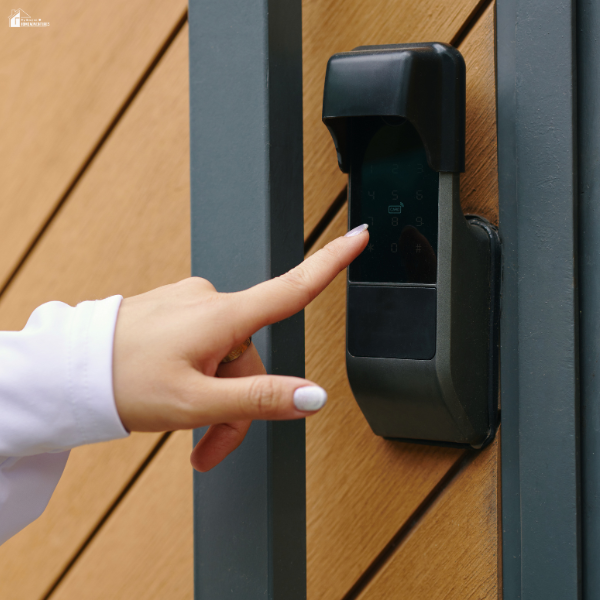
Smart Home Integration
Smart technology has moved from a novelty to a necessity for many modern families. The global smart home security market is projected to reach over $40 billion. These systems allow you to monitor your home from anywhere in the world using a smartphone.
- Smart locks let you grant access to guests remotely.
- Video doorbells provide a visual record of everyone who approaches.
- Motion sensors can trigger lights to discourage prowlers.
- Connected thermostats can alert you to sudden temperature drops.
Integration allows all your devices to speak the same language. For example, your smart lights can turn on automatically if your doorbell detects motion at 2 AM.
This creates a proactive security environment that reacts to threats without you needing to lift a finger. Having total control of your phone makes managing a large house much simpler.
Protecting the Digital Home
In 2026, home security is no longer just about locks and bars; it also involves the digital world. A staggering 91% of people report that they worry about the potential harms introduced by AI. From identity theft to privacy concerns, the data entering and leaving your home needs protection.
- Update your Wi-Fi password to something complex and unique.
- Enable two-factor authentication on all security camera accounts.
- Keep your router-firmware updated to patch security holes.
- Use a separate guest network for smart home devices.
Digital safety also means being careful about what you share on social media. Posting photos of your expensive new electronics or announcing your vacation dates can tip off local thieves.
It is better to wait until you are back home before sharing your holiday memories with the world. Keeping your private life private is a key part of modern defense.
Family Health and Safety
Physical safety also includes the well-being and health of the people living inside the house. Many families are struggling with tech habits that impact their daily recovery and focus.
For instance, over half of teenagers get less than 7 hours of sleep on most nights. This lack of rest leads to exhaustion and can negatively affect their performance at school.
Creating a “tech-free zone” in bedrooms can help everyone get the rest they need to stay alert. When people are well-rested, they are more likely to remember to lock doors or spot potential hazards.
Safety is a holistic concept that covers both the physical structure and the people residing within it. Healthy habits lead to a more observant and secure household.
Residential Property Trends
More homeowners are investing in their property-exterior than ever before. The residential segment dominated the gate market in 2024, accounting for over 43% of the total revenue.
This shift shows that people are prioritizing privacy and controlled access as a primary part of their home life. Whether for style or security, a well-maintained gate is a hallmark of a protected residence.
Many automated gates and barriers will feature next-generation tools like biometric scanning. This means your thumbprint or face could be the key that opens your driveway. These advancements make it much harder for unauthorized individuals to bypass your home's first line of defense.
High-tech physical barriers are becoming the new standard for modern safety.

Building a safe home is a continuous process of observation and improvement. When you combine smart technology with consistent physical habits, you create a shield that protects your most valuable assets.
You do not have to do everything at once – just start with one or two changes today. Every step contributes to a more secure future for your family.