What Are the Pros and Cons of Metal Roofs?
This post may contain affiliate links which might earn us money. Please read my Disclosure and Privacy policies here
Metal roofs have become increasingly popular in both residential and commercial construction over the last several years. Once associated primarily with industrial buildings or agricultural structures, modern metal roofing systems are now widely used on homes because of their durability, energy efficiency, and long lifespan.
At the same time, metal roofs are not the perfect solution for every property. Like any major home improvement investment, they come with advantages and trade-offs that homeowners should understand before making a decision.
The best roofing choice depends on factors such as climate, budget, long-term goals, aesthetics, and maintenance expectations. Understanding both the pros and cons of metal roofing helps property owners make more informed decisions about whether it’s the right fit for their situation.
Metal Roofs Are Known for Long Lifespans
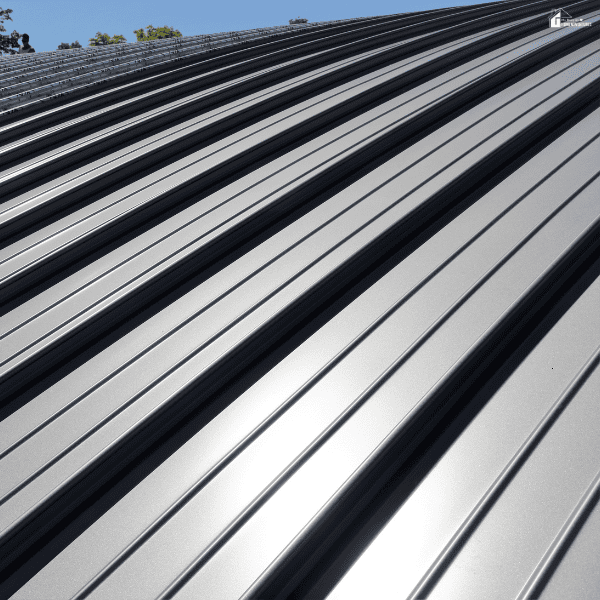
One of the biggest advantages of metal roofing is durability. A properly installed metal roof can last several decades, and in some cases significantly longer than traditional asphalt shingles.
Many metal roofing systems are designed to withstand harsh weather conditions, including heavy rain, snow, wind, and intense sunlight. Because of this longevity, many homeowners view metal roofing as a long-term investment rather than simply a short-term repair solution.
Metal Roofs Often Handle Severe Weather Well
Weather resistance is another reason many homeowners choose metal roofing systems. Metal roofs generally perform well in high winds, heavy snow conditions, and intense storms when installed properly.
Snow often slides off more easily than it does on traditional roofing materials, which can reduce heavy snow accumulation in colder climates.
Many metal roofing products are also highly resistant to fire and less vulnerable to moisture-related deterioration than some other roofing materials. However, this does not mean metal roofs are indestructible.
Energy Efficiency Can Be a Major Benefit
Metal roofing may also improve energy efficiency in certain environments. Many metal roofs reflect solar heat more effectively than darker traditional roofing materials. This reflective capability can reduce heat absorption and help lower cooling costs during warmer months.
Some systems also include specialized coatings designed to improve thermal performance further. For homeowners in hot climates or areas with intense sun exposure, these energy benefits can become an important long-term advantage.
Low Maintenance Appeals to Many Homeowners
Compared to some roofing materials, metal roofs generally require relatively little maintenance once installed. They are resistant to many common roofing problems such as rot, insect damage, and mildew growth.
Unlike shingles, metal panels are less likely to crack, curl, or deteriorate from prolonged sun exposure. Routine inspections and occasional maintenance are still important, especially after major storms or debris accumulation.
Fasteners, flashing, and sealants may still require periodic attention over time. However, many homeowners appreciate the lower overall maintenance demands associated with metal roofing systems.
The Upfront Cost Is Often Higher
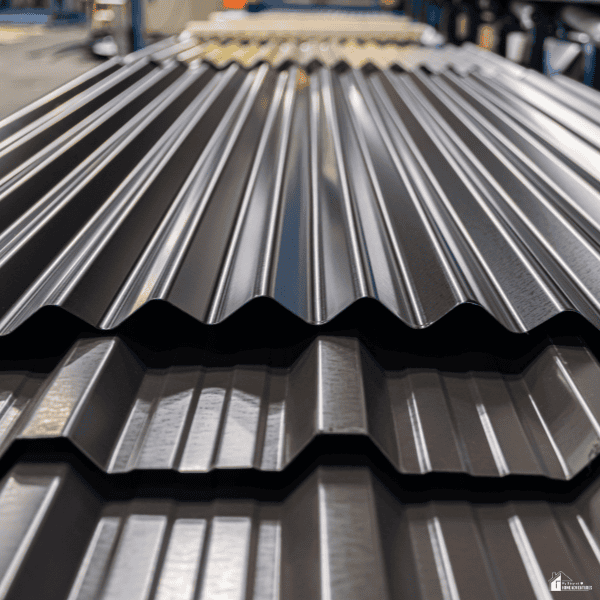
One of the biggest drawbacks of metal roofing is the initial cost. Metal roofs typically cost significantly more upfront than standard asphalt shingles. Materials, labor, and specialized installation requirements can all increase the overall project price.
For some homeowners, this higher upfront investment is difficult to justify, especially if they do not plan to remain in the property long term. While the longer lifespan may offset costs over time, the immediate financial commitment is still substantial compared to more traditional roofing options.
Installation Quality Matters Greatly
Metal roofing systems require proper installation techniques to perform effectively in the long term. Poor installation can lead to leaks, loose panels, improper expansion handling, or premature wear.
Because metal expands and contracts with temperature changes, installation precision is especially important. Not every roofing contractor specializes in metal roofing systems, so choosing an experienced installer matters significantly.
Noise Concerns Sometimes Come Up
One common concern about metal roofs is noise during rain or storms. Modern residential metal roofing systems are usually installed over solid decking and insulation, which reduces sound significantly compared to older exposed-metal structures like barns or sheds.
Even so, some homeowners still notice more sound transmission during heavy rain or hail compared to certain other roofing materials. Whether this becomes a meaningful drawback often depends on the home’s insulation, attic configuration, and personal sensitivity to noise.
For many people, the difference is relatively minor. Others may find it more noticeable depending on the building design.
Appearance Is Highly Subjective
Modern metal roofs come in many styles, colors, and finishes. Some are designed to mimic shingles, slate, or tile while offering the performance benefits of metal. Many homeowners appreciate the clean, modern appearance of metal roofing.
Others prefer the traditional look of asphalt shingles or other materials. Neighborhood aesthetics, homeowners' association rules, and architectural style may all influence whether a metal roof feels visually appropriate for a specific property. Appearance ultimately remains a highly personal consideration.
Final Thoughts
Metal roofs offer many advantages, including long lifespan, durability, weather resistance, energy efficiency, and relatively low maintenance demands.
At the same time, higher upfront costs, installation complexity, potential denting, and aesthetic considerations mean they are not automatically the right choice for every homeowner.
Carefully evaluating both the pros and cons (and working with experienced roofing professionals) can help property owners determine whether a metal roof aligns with their long-term goals and practical needs.