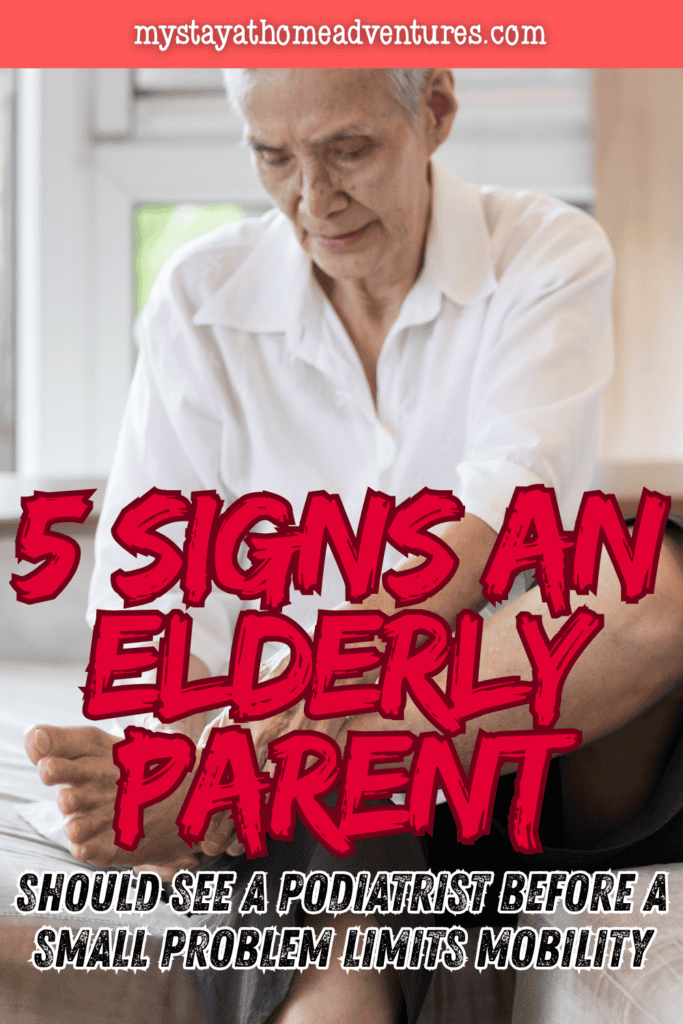
5 Signs an Elderly Parent Should See a Podiatrist Before a Small Problem Limits Mobility
This post may contain affiliate links which might earn us money. Please read my Disclosure and Privacy policies here
Foot problems in older people get written off as just part of getting old. Something to put up with, not something to treat.
That attitude delays proper care, and small issues that could’ve been sorted easily end up turning into something that actually affects how far someone can walk and how independent they stay.
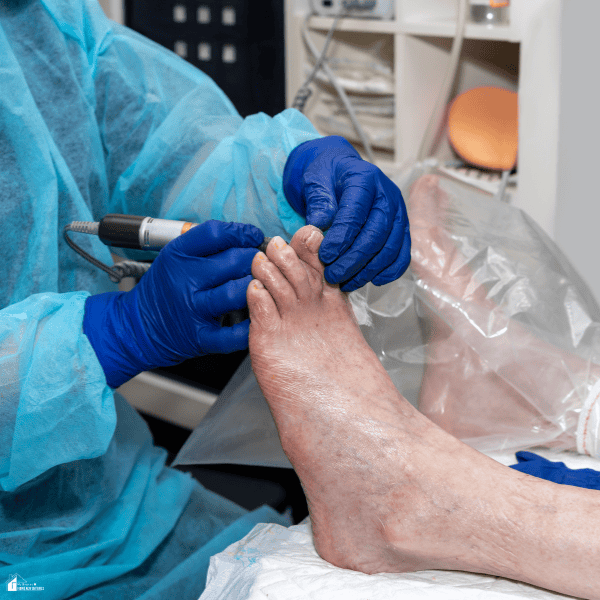
Walking Differently or Seeming Less Steady
If a parent has started shuffling more, favouring one foot, or just seems less steady on their feet than they used to, that’s often a foot problem showing up before the pain complaint does.
People adjust how they walk to avoid discomfort without realising they’re doing it, and that adjustment eventually puts extra strain on knees and hips too.
A podiatrist for elderly foot care Melbourne can properly check the walk itself and work out whether the problem’s in the feet, or whether it’s shoes that no longer fit right as feet change shape with age.
Nails That Have Gone Thick, Discoloured, or Painful
While it’s easy to dismiss discoloured nails as cosmetic, it may likely be a sign of a fungal infection. Pain usually points to an ingrown nail getting worse without treatment.
For an older person possibly facing diabetes risks, an untreated nail problem carries more danger than it would for someone younger who heals faster.
Worth noticing too if nails have become hard to cut properly. A lot of older people just stop trimming them because it’s become physically difficult to reach or see, and that neglect makes things worse over time.
Numbness or Reduced Feeling in the Feet
Numbness, tingling, or not noticing a cut or blister until it’s already infected. Sounds familiar? That’s a serious sign, especially with diabetes involved. Nerve changes mean an injury can sit there for days unnoticed, and by the time anyone spots it, it’s already worse than it needed to be.
This one shouldn’t wait. Reduced feeling plus any kind of wound or broken skin needs proper attention straight away, not a wait-and-see approach.
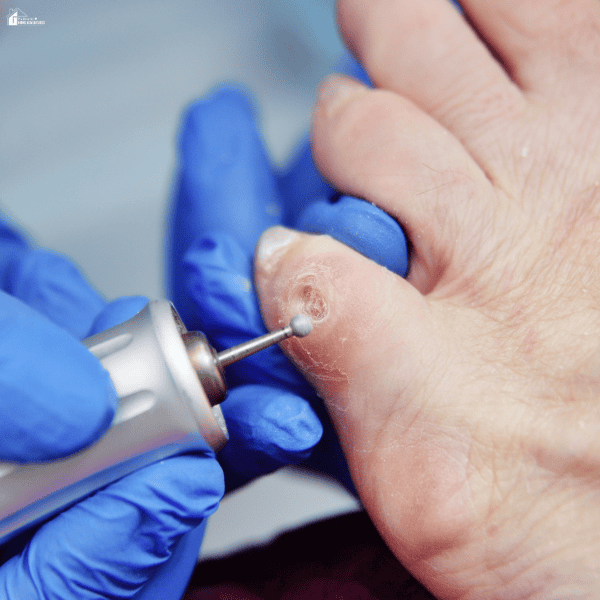
Corns or Calluses That Keep Coming Back
Corns and calluses that return despite regular home care usually point to a pressure or alignment problem underneath, not something fixed by just filing the hard skin down again.
Older skin’s also thinner and more fragile, so calluses crack more easily and lead to infection faster than they would in younger skin.
Skin breaking down between toes or around pressure points means the actual cause, like footwear, foot shape, or something else entirely, still hasn’t been dealt with. Only the symptom has.
Struggling to Put Shoes On
Notice if your parent avoids certain shoes or says familiar pairs now feel tight. They may also keep wearing worn-out shoes because other pairs feel uncomfortable. These changes can signal a developing foot problem.
Bunions, hammertoes, and swelling can gradually affect how shoes fit. As a result, your parent may adjust without recognizing a possible medical concern.
This matters because avoiding certain shoes usually leads to wearing whatever’s tolerable. Sometimes, they end up wearing poorly fitted footwear. This only creates new problems on top of the original one.
None of these five signs are dramatic on their own, which is exactly why they get ignored for so long. A slight change in the walk. A nail that’s harder to trim. Numbness that comes and goes. A callus that won’t clear up. Sticking to one worn-out pair of shoes.
Each one seems minor enough to leave alone. Leave them untreated for months, and they turn into something that genuinely limits how far and how comfortably someone can walk.