What To Do If Your Landlord Raises Rent Without Notice?
This post may contain affiliate links which might earn us money. Please read my Disclosure and Privacy policies here
Learning that your rent is going up without warning can be a stressful situation. In fact, depending on the percentage increase, it can throw your entire budget off balance. After all, you also have to pay for utilities, transportation, and leisure from your limited paycheck. So when a sudden increase in rent happens, the situation can feel unfair.
However, it’s essential to pause and see if your landlord is doing things by the book to raise a concern and discuss. That’s why this article covers what to do if your landlord raises rent without notice. If you find yourself in such a situation, by the end of this post, you’ll be able to push back and protect your rights.
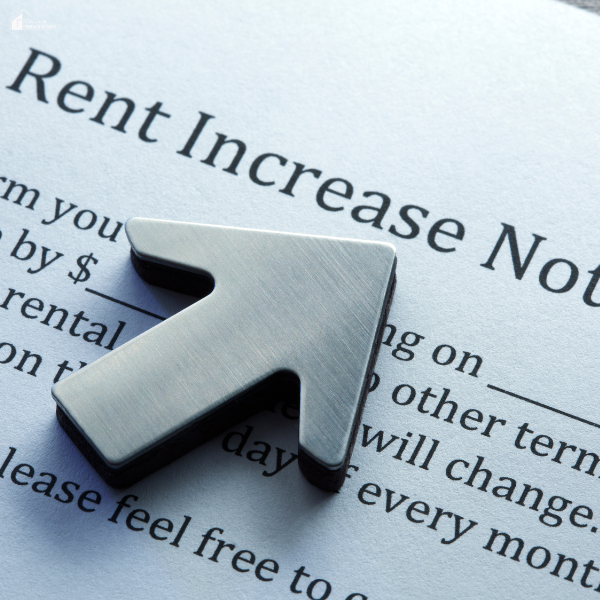
Why are Rent Increases a Common Part of Leasing?
Increase in Operating Costs
One of the major reasons property owners increase the rent that they charge you is that it costs more to keep the rental running. In other words, when expenses such as property taxes, insurance premiums, and even repair costs go up, so does your rent.
Remember that your landlord isn't running a charity foundation; they're in real estate to make money. Even when they're not looking to put more money in their pockets, they still have to pass on the added costs to keep their profit margins equal and cash flow stable.
Market Dynamics and Inflation
Landlords raise rent due to several factors, including inflation. When the cost of living goes up, the value of your rental income decreases. As a result, rent increases are often necessary to keep pace with general economic inflation.
Market dynamics can also affect your rent prices. For instance, when a neighborhood becomes more desirable because there are new businesses nearby, better schools, or added amenities such as public transit, the demand for housing increases in that area.
This means that there are also more tenants willing to pay more for that proximity, allowing property owners to hike their prices with little fear of extended vacancies. Since most landlords adjust their rent to align with the current market rate for comparable properties in the area, this decision becomes inevitable.
Property Upgrades and Improvements
Another reason landlords charge more for rent is that they've recently invested in upgrading the property and increasing its value. Imagine that when you first moved into your apartment, the exterior looked tired and old from chipping paint, while the interior was dated from old furniture.
If the property owner decides to give the house a total makeover, they'd be justified in charging you more to cover some of their upfront capital. But at least this reason means you get to enjoy a better quality of life.
Understanding Rent Increase Laws
Legal Notice Requirements
Yes, property owners have the right to increase their rental fees, but they must follow your lease agreement or local tenant protection laws. Most states require landlords to give written notice before increasing rent. However, the notice period depends on whether you have a month-to-month lease or a fixed-term lease.
Month-to-month tenants usually get 30 days or more, while fixed-term tenants are protected until the lease ends. A landlord cannot change the rent mid-lease unless the agreement allows it. Ask your local Austin property management team to help interpret policies in relation to maintaining a fair and transparent lease agreement.
Lease Agreement Terms
Your lease is the first place to check when there's a rent increase. Beyond when and how much you should pay, this document also explains when and how rent can be increased. Some leases list a fixed rent for the entire term, while others allow scheduled increases with a cap.
This specification means that if your landlord raises the rent in a way that contradicts the lease, you can challenge it.
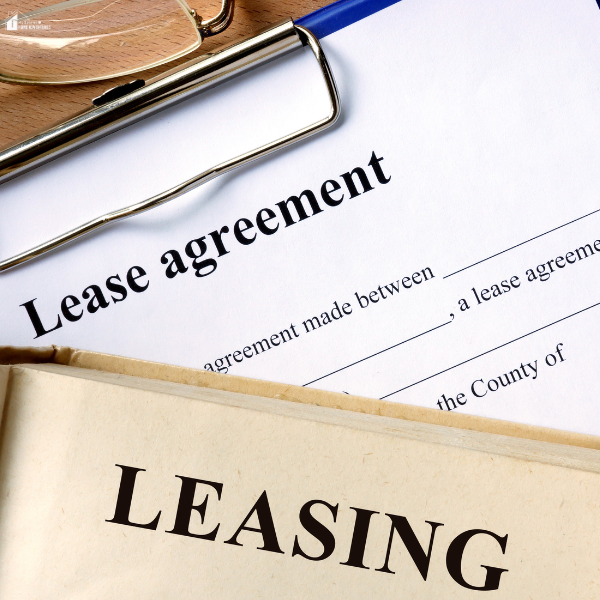
What Actions Should Tenants Take if Your Landlord Raises Rent Without Notice?
Check Your Lease
Start by reviewing your lease agreement to ensure the rent increase is up to code. After all, the last thing you want is to call a false alarm. Confirm whether the landlord is allowed to change the rent before the lease ends, or if they're violating the agreed max increase or agreed-upon notice period.
If the increase breaks the agreement, you have grounds to reject it. While you're sorting all of that, it's essential to continue paying the old price. You don't want to rack up arrears in late payment fees or give your landlord grounds to evict you and get a new tenant.
Send a Formal Written Letter
That brings us to the next point, which is to draft and send a formal written notice to your landlord complaining about the rent increase. A rent change must follow the legal notice period in your state, and if they haven't, you have the right to complain about it.
If they only informed you verbally, ask for a written letter with when the notice was issued and the effective date of the new rent. This helps you document any violation that may be relevant to your counterargument.
Consult Local Tenant Resources
Review your local tenant laws, because many cities and states regulate rent increases differently. Some locations limit how high the rent can rise, while others require longer notice.
In some neighborhoods where rent control is active, there's even a cap on how often or by how much the property owner can adjust their prices. If your landlord ignores these rules, you can file a complaint or seek help from a tenant support service.
Conclusion
When a landlord raises rent without notice, you don’t have to accept it blindly. You learned why rent increases happen, from rising property costs to market shifts and upgrades. You also saw how the law works and how these rules matter for real estate investors, especially landlords.
Follow these steps to protect your rights as a tenant and keep yourself informed before making your next decision, whether or not to renew your lease.