Budget Friendly Ways to Make a Noisy Home Feel Calm and Cozy
This post may contain affiliate links which might earn us money. Please read my Disclosure and Privacy policies here
Why Your Home Feels Louder Than It Should
If your home feels louder than it looks, you are not imagining it. Open floor plans, hard flooring, big windows, and minimal decor all bounce sound around.
Add kids, pets, TV, and kitchen clatter, and suddenly your “cozy” home sounds like a subway station. The result is a constant hum of noise that makes it harder to relax, focus, or even hear yourself think.
The tricky part is that many typical budget upgrades, like new paint or cheaper decor, do nothing for sound. The good news is you do not need a remodel or professional studio treatment to soften echoes.
A few intentional changes, especially with texture and materials, can turn a loud room into a calmer one that still feels stylish and family-friendly.

How Sound Actually Behaves in Your Living Spaces
Before you start buying rugs and cushions, it helps to understand what you are fighting against. Sound waves bounce off hard, flat surfaces like walls, tile, glass, and wood. The more of these surfaces you have, the more echo and “liveliness” your room will have.
That is why an empty room sounds so harsh, and every step or word feels amplified.
Soft or textured materials help by catching and absorbing some of those waves. Think about how different your voice sounds in a closet full of clothes compared to a bare hallway. The goal in a real-life home is not complete silence but balance.
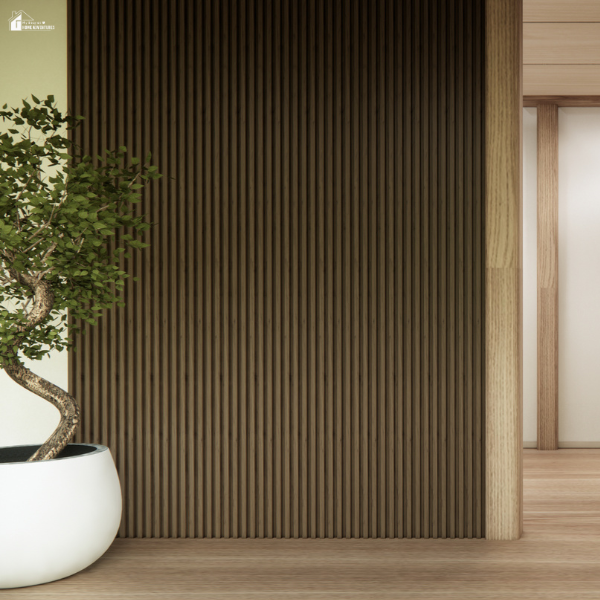
You want enough softness so sound dies down quickly, yet enough openness so the space still feels bright and airy. Strategically placed textiles and features like acoustic wood panels along one main wall can dramatically reduce echo without making a room feel closed in.
Quick Sound Softening Wins You Can Try This Week
Layer Rugs on Hard Flooring
Tile, laminate, and hardwood are beautiful, but they are also some of the worst offenders for echo. A single thin rug helps, but layering is even better. Start with an inexpensive flatweave or jute rug as a base and add a softer, plush rug on top in the main traffic or play area.
This trick is especially useful in rental living rooms and bedrooms where you cannot change the floors but still need to tame the noise.
Use Curtains for More Than Just Privacy
Bare windows are a major source of both sound and light bounce. Swapping in thicker curtains instantly changes the acoustics of a room. Look for lined panels or double up sheers and heavier curtains on the same rod.
Even hanging curtains wider and a bit higher than the window frame helps because you are covering more echo-prone wall space with fabric, not just glass.
Soften Your “Sound Hotspots”
Every home has a few spots where sound seems to explode: stairwells, long hallways, entryways, or that echoey corner near the kitchen. Instead of trying to treat the whole house at once, focus on these hotspots.
Add a runner on the stairs, a fabric-covered bench in the entry, or a narrow console with baskets and a small rug in a hallway. Little changes in the right locations often make a bigger difference than one big change in the wrong place.
Creating a Calm But Still Stylish Family Room
Choose Furniture That Absorbs Sound, Not Just Fills Space
Chunky fabric furniture does more for your ears than sleek, minimal pieces on metal legs. If you are choosing a new sofa, pick one with soft, textured upholstery and generous cushions. Ottomans, poufs, and upholstered benches double as seating and sound absorbers.
Even swapping a glass coffee table for a wood one with a lower shelf and baskets helps break up sound reflections.
Mix Textures on the Walls
Walls are often the biggest speakers in a room. You do not need a gallery wall in every space, but breaking up wide, flat surfaces makes a real difference.
Large canvases, framed textiles, soft pinboards for kids’ art, and sections of wood slats or panels all help scatter and tame sound while adding personality. Think of the largest wall in your living area as your main “sound catcher” and give it more texture than the others.
Balance Screens, Speakers, and Soft Zones
In many homes, the loudest area is wherever the TV lives. Set it up so directly across from it, you have something soft: a thick rug, a fabric sofa, or even a bookcase filled with books and baskets. If you have a soundbar or speakers, avoid placing them in empty corners that exaggerate bass and vibration.
A simple TV console with doors, decor, and a plant or two already helps break up reflections and soften the sound profile.
Quiet Upgrades That Respect a Modest Budget
Start With What You Own
Before spending anything, “shop” your home. Move an extra rug from a guest room into the noisiest space. Bring a rarely used quilt out of a closet and fold it over the back of a sofa. Stack a few spare pillows in a pretty basket near the TV.
Even rearranging bookshelves so there are fewer empty gaps and more staggered objects can scatter sound better.
Be Intentional With New Purchases
When you do spend, let every purchase work double duty. A storage ottoman hides toys and absorbs noise. A fabric headboard is both a style upgrade and a sound softener for a bedroom that faces a busy street.
If you like the look of wood details, textured wall elements inspired by slats or battens can create a focal point, hide small imperfections, and help break up echoes all at once.
Checking out a specialist like Akuwoodpanel for inspiration can give you a feel for how these designs look in real rooms, and then you can adapt the idea to your own budget and DIY comfort level.
Use Small DIY Projects to Chip Away at Echo
You do not need professional tools to make your home feel quieter. A simple fabric-covered corkboard near a noisy doorway absorbs more sound than you might expect and also works as a family command center.
Building a basic bench with a foam cushion under a window turns an echoey corner into a cozy reading nook. Even filling large, empty walls with a series of thrifted frames and printable art helps scatter sound and make the room feel more finished.
Designing Kid and Pet-Friendly Quiet Zones
Create a Soft “Landing Zone” for Energy
If you have little ones or energetic pets, designate one area as the official rough-and-tumble space. Put your thickest rug there, along with floor cushions or a beanbag.
This tells kids where play is welcome and keeps the loudest activity in a part of the room that is already better prepared to handle it. Bonus: it saves your ears and your floors.
Use Storage to Hide Clutter, Not Character
Bins, baskets, and cubes are helpful for both visual and sound clutter, but they do not have to make your home feel like a storage room. Choose fabric or woven baskets instead of plastic when you can. Add labels and sort toys, crafts, or games so it is easy for kids to help clean up.
A tidier space usually feels quieter, and you will hear fewer Lego pieces echoing across bare floors at bedtime.
Give Everyone a Spot to Unwind
Even in a small home, try to carve out one quieter nook per person. A chair with a floor lamp and a small side table in a bedroom, a floor cushion in a corner with a bookshelf, or a little bench by a window can become a personal retreat.
When you pair these spots with soft textures and good lighting, they naturally encourage quieter activities like reading, drawing, or journaling and gently lower the household volume.