Signs Your Home Needs a New Electrical Panel
This post may contain affiliate links which might earn us money. Please read my Disclosure and Privacy policies here
Your electrical panel does a quiet but critical job every day. It routes power to your lights, appliances, outlets, and devices without asking for applause. When it starts struggling, the warning signs can look small at first, then get expensive or dangerous fast.
If your home feels like it’s arguing with your breakers, it may be time to look closer at what your panel is telling you before a minor annoyance turns into a serious safety issue.
What an Electrical Panel Actually Does
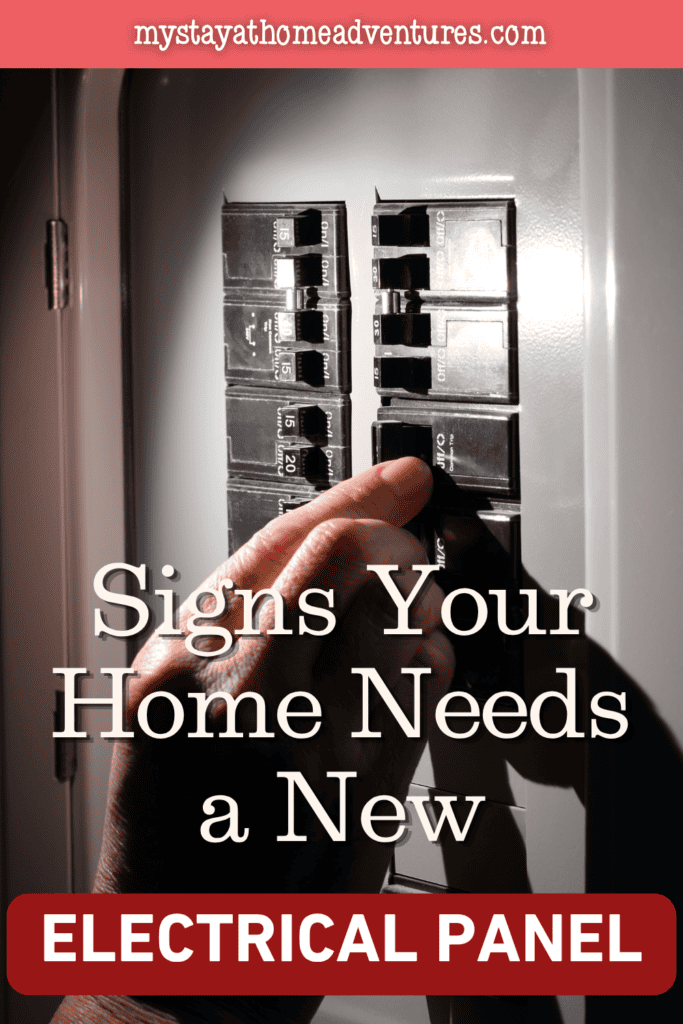
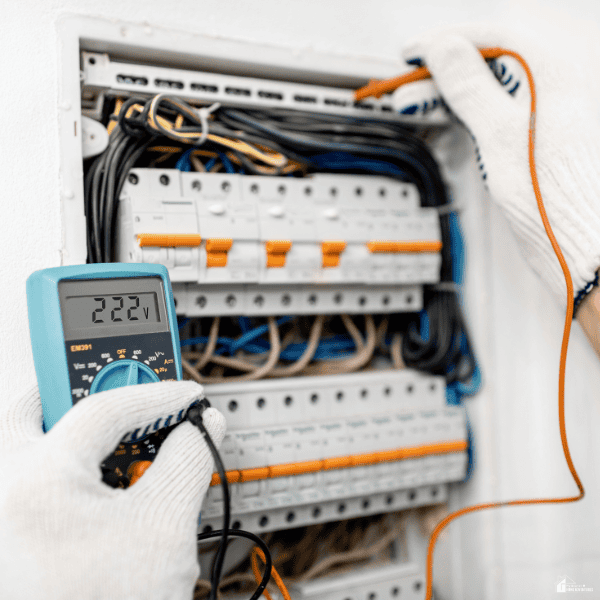
Your electrical panel is the control center for your home’s power. Utility electricity enters the panel, then gets split into circuits that feed different parts of the house. Breakers sit there like gatekeepers, cutting power when a circuit pulls more current than it should.
When the panel is working well, you barely think about it. Lights stay on, outlets work, and your appliances get the electricity they need.
Problems begin when the panel is outdated, damaged, overloaded, or simply too small for how you live now. A house built decades ago may have been designed for far fewer devices, smaller HVAC loads, and almost no high-demand electronics. Your modern routine can push an old panel well past its comfort zone.
Frequent Breaker Trips Aren’t Just Annoying
If you’re resetting breakers often, your panel may be waving a red flag. One trip after plugging in too many space heaters is one thing. Repeated trips during normal daily use point to a system that needs attention.
A breaker trips to prevent overheating and fire risk. That means frequent tripping is not random bad luck. It suggests overloaded circuits, weak breakers, wiring issues, or a panel that can’t keep up.
Pay attention to patterns. Does the breaker trip when the microwave and toaster run together? Does the AC kick on and suddenly half the room goes dark?
Those clues matter. A licensed electrician can determine whether the issue is isolated to a branch circuit or whether electrical panel replacement makes more sense for your home’s overall capacity and safety.
Flickering Lights and Power Fluctuations Deserve Attention
Lights that flicker when a major appliance starts can seem harmless, but they often reveal strain inside the electrical system. A brief dimming once in a while may happen in some homes. Regular flickering, buzzing, or uneven power deserves a closer look.
You might notice this when your refrigerator cycles on, your hair dryer runs, or your washer starts spinning. If one device affects lighting in another room, your panel or connected circuits may be having trouble distributing power consistently.
Voltage fluctuations can damage electronics over time. TVs, gaming consoles, laptops, and smart appliances don’t love unstable power. They’re expensive enough without adding electrical drama to the budget.
If your home’s electricity feels unpredictable, a panel inspection can help identify whether the trouble comes from aging breakers, poor connections, or a panel that’s due for an upgrade.
Burn Marks, Strange Smells, or Warm Surfaces Mean Stop Ignoring It
Some warning signs move beyond inconvenience and into urgency. If you notice a burning smell near the panel, scorched marks, crackling sounds, or breakers that feel hot, treat that as a safety issue.
Electricity should not smell toasted. That odor can suggest overheating wires, damaged breakers, or arcing inside the panel. Warmth around the panel door can also signal trouble, especially if it’s obvious to the touch.
Other signs worth taking seriously include:
– Rust or corrosion on the panel
– Melted wire insulation
– Sparks when resetting breakers
– A breaker that won’t stay reset
– Buzzing or crackling noises
At that point, this stops being a DIY curiosity project. Shut down what you safely can and call a licensed electrician. Panels fail quietly until they really don’t.
Older Homes Often Need More Than the Original Setup
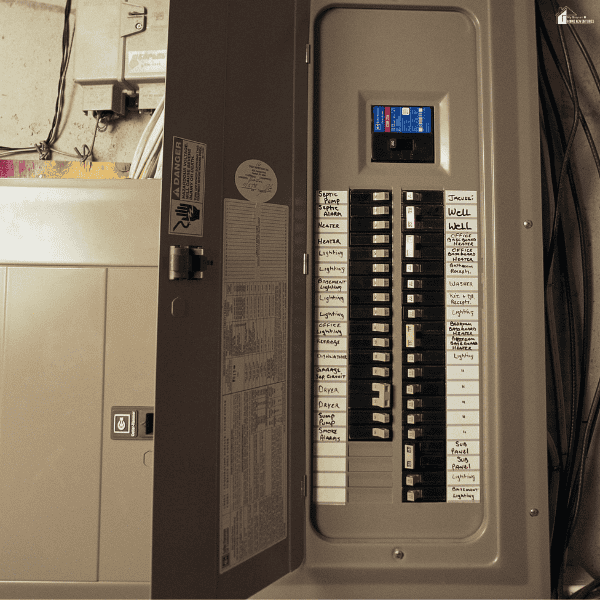
If your home is several decades old, the panel may be undersized for modern living. Older panels were installed when people had fewer kitchen appliances, fewer bathroom devices, no home office setups, and definitely not chargers in every room.
Homes with 60-amp or 100-amp service often struggle once you add central air, newer laundry equipment, electric cooking, or workshop tools. Even if nothing seems broken, limited capacity can hold back future upgrades.
An outdated panel can also affect home insurance and resale conversations. Some older panel brands have known reliability concerns, and buyers or insurers may not love surprises hiding behind a metal door.
If you’re planning renovations, adding an EV charger, finishing a basement, or installing a hot tub, it’s smart to ask whether your current panel can support those changes. Waiting until the lights protest is rarely the best strategy.
When New Appliances Push Your System Too Hard
Sometimes the panel problem becomes obvious after you add something new. Maybe you installed a bigger HVAC system, started using a garage freezer, or upgraded to a sleek induction range that pulls more power than your old stove ever did.
Large appliances increase electrical demand fast. If your panel was already near capacity, one upgrade can expose the weakness. You may run out of breaker space, exceed service capacity, or create recurring overload issues.
Common upgrades that often trigger electrical review include:
– Heat pumps
– Tankless water heaters
– Hot tubs
– Basement or garage conversions
– Major kitchen remodels
In those cases, a panel upgrade isn’t a luxury add-on. It’s part of making the new equipment operate safely and reliably. Otherwise, you’re asking yesterday’s electrical system to run today’s hardware without complaint.
What Happens During a Panel Evaluation or Replacement
If you suspect trouble, an electrician will usually inspect the panel, service size, breaker condition, wiring connections, grounding, and overall electrical load. They may also ask about your appliances, renovation plans, and nuisance issues like flickering or repeated tripping.
If replacement is needed, the work often involves removing the old panel, installing a new one with proper capacity, labeling circuits, and making sure the system meets current code requirements. Permits and inspections are commonly part of the process.
For you, the practical benefits can include:
– Better safety
– Fewer breaker issues
– Capacity for new appliances
– Improved reliability
– Easier future upgrades
A newer panel won’t make your home glamorous, but it can make it safer, more functional, and less likely to stage an electrical rebellion during dinner prep.
Don’t Wait for a Small Warning to Become a Big Repair
Electrical problems rarely improve on their own. A breaker that trips today can become overheated wiring tomorrow. Lights that flicker this month can turn into equipment damage or a larger repair bill later.
If your home shows several of these signs, getting a professional opinion is a practical move, not an overreaction. You’re not being dramatic. You’re paying attention to a core system that affects daily comfort and household safety.
A healthy panel supports everything from your coffee maker to your air conditioner without constant friction. When it starts falling behind, replacing it can remove stress, reduce risk, and prepare your home for how you actually live now.
That’s a solid trade for a box most people forget exists until it starts causing trouble.