The Home Habits That Made Everything Feel Less Chaotic
This post may contain affiliate links which might earn us money. Please read my Disclosure and Privacy policies here
I used to think the reason my home felt overwhelming sometimes was because I just needed to be more organized.
Cleaner. More on top of things. Better at routines.
But the more I tried to “fix” it that way, the more I realized it wasn’t really about doing more. It was about how I was approaching everything.
Because most of the stress didn’t come from big messes or major problems.
It came from all the small things quietly building up in the background.
A drawer that didn’t close properly.
An appliance acting slightly off.
A mental list of things I needed to deal with “at some point.”
Individually, none of it was a big deal. But together? It made the house feel heavier than it needed to.
So instead of trying to overhaul everything, I started focusing on small habits that keep things from piling up in the first place.
The “Fix It When You Notice It” Habit
This one sounds obvious, but it took me a while to actually do it.
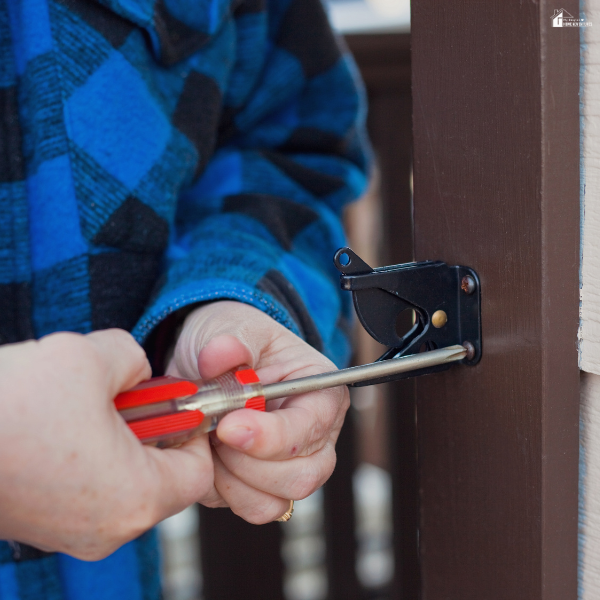
If something is slightly broken or not working properly, deal with it when you notice it.
Not later. Not when you “have time.” Just… when you see it.
Because the truth is, most small fixes don’t take long.
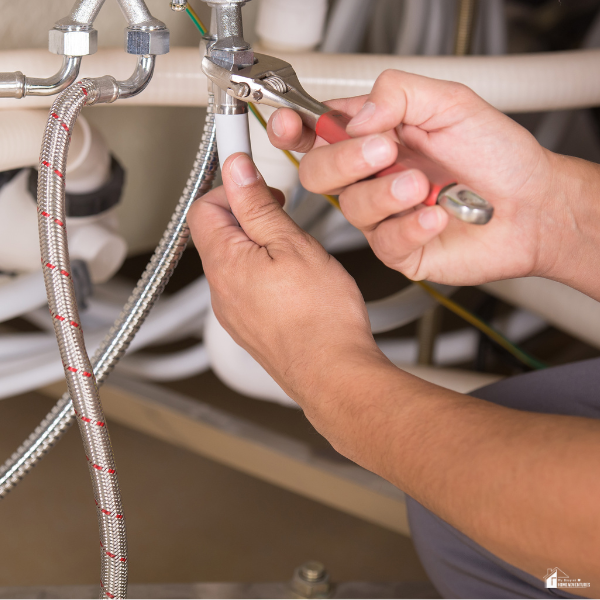
Tightening something. Adjusting something. Sorting out a minor issue.
It’s rarely as inconvenient as it feels in your head.
And every time I leave something, it just stays on that mental list, quietly taking up space.
Appliances Always Tell You First
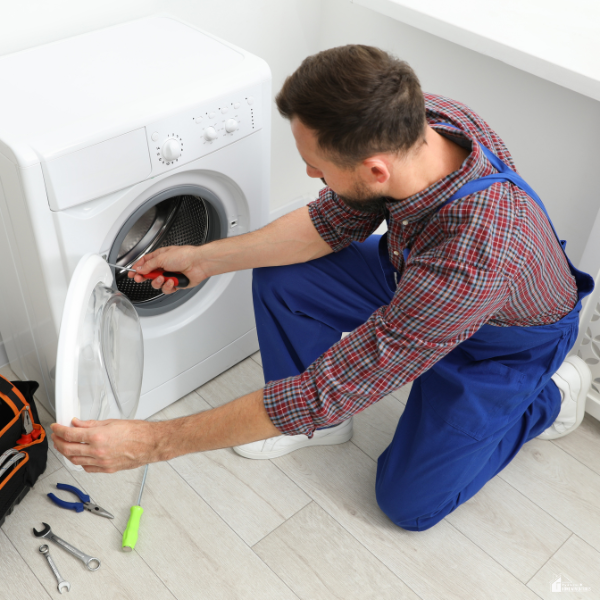
One thing I’ve definitely learned is that appliances don’t just stop working out of nowhere.
They give you warning signs.
The fridge isn’t quite as cold.
The washing machine sounds different.
Something takes longer than usual.
It’s easy to ignore because everything is still technically working.
But those small changes are usually the start of a bigger issue.
I used to wait until something fully broke before doing anything about it. Now, I at least look into it early.
Even just checking services like Maple Leaf Appliance Repair Vancouver helps you understand what might be going on before it turns into something urgent.
Because once something stops working completely, it’s never at a convenient time.
The 10-Minute Jobs We All Avoid
There are so many things around the house that take barely any time… but still don’t get done.
A loose handle.
A slightly uneven shelf.
A small area that needs sorting.
They’re quick, simple fixes.
But because they’re not urgent, they get pushed aside.
I’ve started giving myself a bit of a rule: if it takes under 10 minutes, just do it.
Not perfectly. Not as part of a bigger plan.
Just get it done.
And every time I actually follow through, I’m reminded how much easier it was than I expected.
The Mental Load of Small Things
This is something I didn’t expect when it comes to home maintenance.
It’s not just the physical work—it’s the mental load.
When there are lots of small things that need attention, they sit in the back of your mind.
“I need to fix that.”
“Don’t forget about that.”
“I’ll get to that later.”
And even if you’re not actively thinking about them, they’re still there.
That’s why doing even one small task can feel so satisfying.
You’re not just fixing something—you’re clearing mental space.
You Don’t Need to Know Everything
I used to avoid certain tasks because I didn’t feel confident enough.
If I didn’t fully understand how something worked, I’d leave it.
But most of the time, you don’t need to know everything—you just need to start.
Look into it. Try something small. Learn as you go.
It’s kind of like building any skill.
I remember reading about things like red seal electrical exam prep and realizing how much knowledge is built step by step.
No one starts off knowing everything.
And home maintenance is the same.
You learn a bit here, fix something there, and over time, things that used to feel intimidating just become normal.
The Areas That Make the Biggest Difference
Not every part of your home needs constant attention.
There are certain areas that, when they’re under control, make everything feel better.
For me, it’s:
- The kitchen counter
- The main living space
- The entryway
If those are clear and functional, the whole house feels more manageable.
So instead of trying to keep everything perfect, I focus on those areas first.
It’s a small shift, but it makes a big difference.

Letting Go of “Doing It Properly”
I used to delay fixing things because I wanted to do them properly.
But “properly” often meant perfectly.
And perfect usually meant… not happening.
Now I aim for better.
If something works better than it did before, that’s enough.
Most of the time, that’s all you need.
A Slightly Different Way of Thinking About Money and Home
This might seem unrelated, but it actually connects more than you’d think.
I’ve been trying to be more mindful about money—not in a strict way, just being a bit more aware of where it’s going and how small decisions add up.
Things like financial literacy for women really highlight how important it is to think long-term, even in small ways.
And home maintenance is similar.
Fixing something early is almost always cheaper than waiting.
Maintaining something properly helps it last longer.
Paying attention now saves stress later.
It’s the same idea—small, consistent effort makes a big difference over time.
When Everything Feels Like Too Much
There are definitely days when it feels like the house needs everything at once.
Cleaning, fixing, organizing… all of it.
And on those days, I don’t try to do everything.
I pick one thing.
Just one small task.
Something that’s visible. Something that makes a difference.
And I stop there.
Because doing one thing is enough to shift the feeling from overwhelmed to at least a bit more in control.
A Home That Feels Easy to Live In
At the end of the day, I don’t want a perfect home.
I just want one that feels easy.
Where things mostly work.
Where small problems don’t build up.
Where I’m not constantly thinking about what needs to be done next.
And getting there isn’t about big changes.
It’s about small habits:
- Fixing things when you notice them
- Paying attention to early signs
- Letting go of perfection
- Doing what you can, when you can
Nothing complicated.
Just a home that feels a little bit calmer, a little bit lighter… and a lot easier to live in.