
Is Borrowing from a Legal Money Lender in Singapore Worthwhile for Unexpected Work-from-Home Expenses?
This post may contain affiliate links which might earn us money. Please read my Disclosure and Privacy policies here
Working from home can save you time prepping in the morning as well as money on commuting, lunches, and everyday expenses. But what happens when your laptop suddenly breaks down right before an important deadline?
These costs are usually just part of the deal when you’re working at home. A typical workplace might simply do a straight replacement or have their in-house technician take a look at what’s broken, at their own expense.
Meanwhile, if you work from home, you’re probably expected to handle most of these issues on your own.
Unfortunately, these expenses seem to have a way of rearing their head during the most inconvenient times. If your savings aren't enough, borrowing from a legal money lender in Singapore might be an option worth exploring.
Even so, taking out a loan is a financial commitment that deserves careful thought. Consider these factors before borrowing cash for those unexpected home-office expenses.

1. Decide Whether the Expense Is Truly Urgent
Frankly, not every home-office expense requires an immediate, expensive solution. A completely broken laptop that prevents you from working may require an immediate response, but a monitor that develops a couple of dead pixels can probably suffice until your next paycheck.
If the problem can wait until your next payday, saving up and avoiding interest payments could be the smarter choice.
2. Calculate Exactly How Much You Need
It's tempting to borrow extra money as a financial cushion, but doing so can increase your borrowing costs for not much benefit. Suppose your laptop repair costs are quoted at SGD 450.
Borrowing SGD 1,000 to just buy a new laptop might seem like a good move in the moment, but you'll be taking on more debt than strictly necessary, especially if your laptop’s specs are technically good for a couple more years.
However you wish to weigh the benefits of these expenses, always list your essential expenses, compare prices, and calculate the shortfall after using any available savings. Keeping your loan amount small can help make repayments easier to manage.
3. Explore Cheaper Ways to Cover the Cost
Before applying for a loan, try to look at alternatives that could save you money. Perhaps you could repair your equipment instead of replacing it.
Maybe your employer offers reimbursements for these situations. You can also consider selling off unused household items or taking on a small freelance project to earn extra cash. Chances are, there are already things you can do that could reduce the amount you need to borrow.
4. Consider the Risks and Costs of Borrowing
Before taking out a loan, check that the moneylender is listed on Singapore's official Registry of Moneylenders, which is maintained by the Ministry of Law. Once you’ve done that, confirm its business details.
You’ll also want to avoid unsolicited offers through WhatsApp, Viber, SMS, or social media, especially because licensed lenders are required to verify your identity in person at their approved premises.
Even loans from legitimate lenders come with considerations. Under current guidelines, licensed moneylenders can charge up to 4% interest per month and an upfront approval fee of up to 10% of the loan principal.
This means that a SGD 1,000 loan could leave you with just SGD 900 after a 10% fee deduction. Always review the total repayment amount, including interest and applicable charges, before signing.
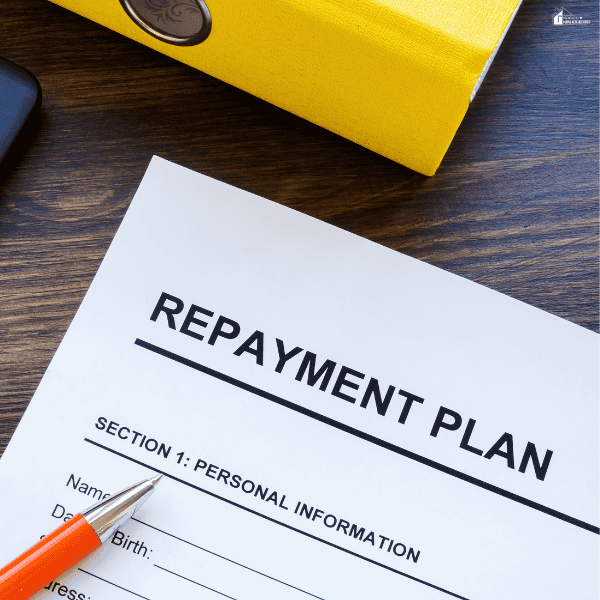
5. Make Sure Loan Repayments Don’t Eat into Household Needs
A loan might solve today's problem, but if you’re not careful, you can create a bigger problem next month. Start by reviewing your regular expenses, including rent, groceries, utilities, insurance, and existing debts.
From here, you can then calculate how much you can comfortably set aside for repayments.
Note that if you're self-employed, monthly income can vary considerably. In this case, use your income from a slower month when planning your budget.
6. Make Sure You're Getting a Fair Deal
Fortunately, Singapore law offers borrowers a few protections to ensure that they fully understand their loan obligations before committing. Licensed moneylenders must explain the loan terms in a language you understand and provide a copy of the contract.
Also, for unsecured non-business loans disbursed from 15 September 2026, eligible borrowers have a three-business-day cooling-off period, allowing cancellation without interest, although part of the approval fee may be retained.
7. Proactively Build a Home-Office Emergency Fund
Even if things are going along swimmingly right now, it's worth preparing for the next unexpected bill.
To start, try setting aside SGD 20 or SGD 30 each month for equipment repairs, software subscriptions, and other work-related costs, preferably separate from your regular savings and household emergency funds. Over time, this fund could help cover smaller expenses and avoid the need for a big loan.
8. Keep Your Home Office Running, Not Your Debt Growing
Unexpected work-from-home expenses can be quite stressful when your livelihood depends on reliable equipment. While borrowing shouldn't be your first solution, contacting a licensed moneylender in Singapore may be worthwhile if the expense is essential and cheaper alternatives aren’t readily available.
In all cases, it’s best to explore ways to save or earn extra money before committing to a loan for the whole cost of your replacement or repair. After all, working from home should be a path to greater financial stability and not lead you to unnecessary debt.








The topic covered in Is Borrowing from a Legal Money Lender in Singapore Worthwhile for Unexpected Work-from-Home Expenses? * My Stay At Home would also work well as a simple visual guide. Concise captions and source notes would keep the example informative rather than decorative.