Simple Ways to Keep Spiders From Taking Over Your Home
This post may contain affiliate links which might earn us money. Please read my Disclosure and Privacy policies here
One spider tucked into a quiet corner is easy enough to ignore. Finding new webs in several rooms every week is different. At that point, removing the spiders you see may not solve much because something around the home is continuing to give them food, shelter, or easy access indoors.
The good news is that spider prevention does not require covering every surface with pesticides. A better strategy is to make the house less attractive in the first place.
That means reducing the insects spiders feed on, closing common entry points, eliminating hiding places, and paying attention to the areas where activity keeps returning.
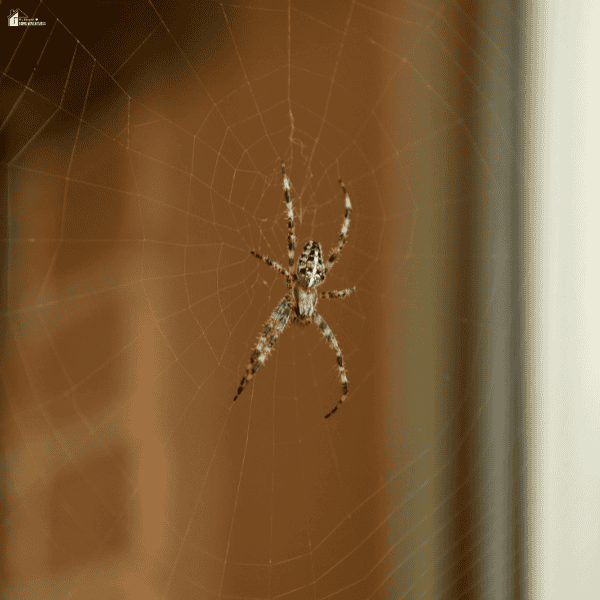
Start With What Is Attracting Them
Spiders generally settle where conditions work in their favor. Shelter matters, but food is a major part of the equation.
If flies, moths, mosquitoes, ants, or other small insects are regularly getting inside, spiders have a reason to follow. That is why recurring spider activity can sometimes point to a broader pest issue rather than a spider problem alone.
Look at where you are seeing them. Webs repeatedly appearing near a window may suggest insects are entering or gathering there. Activity around a damp basement or bathroom could coincide with moisture-loving pests. A garage full of cardboard boxes provides both hiding places and relatively easy outdoor access.
Instead of asking only, “How do I get rid of this spider?” ask, “Why does this spot keep working for spiders?”
The second question is usually more useful.
Know When the Problem Has Outgrown DIY Prevention
An occasional spider usually does not indicate a serious infestation.
Frequent sightings throughout the house, numerous webs that quickly return, repeated egg sacs, or activity that continues despite cleaning and exclusion efforts deserve a closer look.
At that point, pest control for spiders can help address more than the spiders currently visible. A thorough approach should consider where they are sheltering, how they may be getting inside, and whether other pest activity is providing a steady food source.
Professional identification can also be valuable when you are unsure what species you have found. Avoid handling an unfamiliar spider with bare hands or assuming that appearance alone tells you whether it poses a concern.
Treatment is most useful when it is based on what is actually present rather than simply spraying every corner and hoping for the best.
Close the Easy Routes Indoors
Spiders do not need much room to get inside.
Small gaps around windows and doors, damaged screens, utility penetrations, vents, and openings around the garage can all provide access. Inspecting those areas occasionally can help you find problems before they become established entry routes.
Replace damaged weatherstripping, repair screens, and seal appropriate cracks around exterior openings. Pay particular attention to doors that no longer sit tightly against their frames.
Items carried indoors can provide another route. Boxes, outdoor decorations, firewood, plant pots, and equipment that have been sitting outside may shelter spiders or egg sacs.
A quick inspection before bringing stored items indoors takes seconds and can prevent an unpleasant surprise later.
For broader pest prevention, sealing cracks and other openings around the home can also reduce the opportunities insects and other pests have to enter.
Make Hiding Places Harder to Find
A spotless home can still have spiders, so this is not about cleaning every room obsessively.
It is about reducing the undisturbed spaces where spiders can settle unnoticed.
Cardboard boxes, piles of clothing, crowded shelves, and long-forgotten storage areas can provide plenty of cover. Moving stored belongings into closed containers and keeping floors reasonably clear makes those spaces easier to inspect and clean.
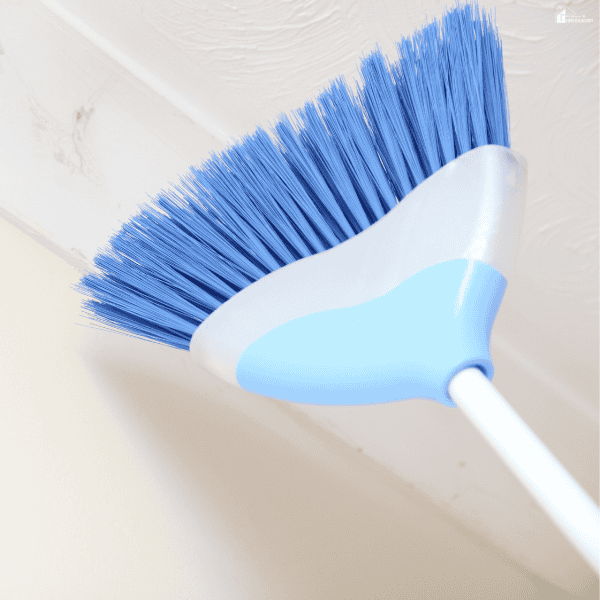
Vacuum along baseboards, beneath furniture, around windows, and in corners where webs repeatedly appear. Removing webs and egg sacs can interrupt activity rather than allowing the same quiet corner to remain undisturbed for months.
Storage rooms, garages, attics, and other low-traffic spaces deserve particular attention because nobody regularly disrupts them.
You do not need to eliminate every hiding place. You simply want your home to stop offering spiders quite so many private apartments.

Pay Attention to Moisture
A damp area can support the insects that spiders use as prey.
Check for leaking pipes, persistent condensation, drainage problems, or unusually humid spaces. Bathrooms and laundry areas should have appropriate ventilation, and damp lower-level spaces may benefit from better moisture control.
Fixing moisture problems has benefits well beyond spider prevention. Persistent dampness can contribute to mold and deterioration in building materials, making that dripping pipe worth addressing regardless of whether an eight-legged tenant has noticed it yet.
The key is to think about the small ecosystem inside the house. Reduce conditions that support insects, and you may also reduce the food supply that makes the space attractive to spiders.
Don't Ignore What Is Happening Outside
Indoor prevention often begins a few feet beyond the walls.
Vegetation pressed against siding, piles of leaves, stacked materials, firewood, and other sheltered areas can create places for spiders and insects to live close to the house.
Trim vegetation when it creates direct contact with the structure and avoid allowing debris to accumulate against exterior walls. Store firewood and similar materials thoughtfully rather than creating long-term hiding spots beside an entrance.
Outdoor lighting can influence insect activity too. Lights near doors and windows may attract flying insects after dark, which can give spiders a convenient feeding area.
If nighttime insect activity is heavy, reconsider where exterior lights are positioned and whether every fixture needs to remain on all night. You do not need to turn the property into a blackout zone; the goal is simply to avoid concentrating prey directly beside entry points.
Focus on the Places Where Activity Repeats
Random sightings happen. Patterns tell you more.
If you remove a web and another appears in the same place shortly afterward, inspect that area more carefully. Look for cracks, nearby insect activity, moisture, clutter, or other conditions that could explain why spiders keep returning.
Garages and storage areas often combine several of those factors. They may have larger exterior openings, lower foot traffic, stored boxes, and plenty of insects moving through.
Windows are another useful place to watch. Webs around frames may be positioned there because flying insects are attracted to light or entering through gaps.
Tracking recurring activity helps you focus your effort instead of treating the entire house because of one spider behind the sofa.
Be Thoughtful About Pesticide Use
Seeing a spider can trigger an understandable desire to reach for the nearest spray, but more pesticide does not automatically mean better control.
Products need to be appropriate for the pest and location and should always be used according to their labels. Spraying indiscriminately may expose people or pets unnecessarily without addressing the conditions that caused the activity.
An integrated approach combines prevention, monitoring, exclusion, sanitation, and targeted treatment when needed. Using pesticides carefully and only as directed is particularly important inside living spaces.
If spiders repeatedly return after treatment, that is a clue to look beyond the spray bottle. An entry point, prey population, or suitable hiding area may still be giving them a reason to stay.
Keep Prevention Manageable
The most effective spider-control routine is usually the one that does not feel like a major project.
Notice new webs when you clean. Vacuum them away rather than leaving them for months. Check screens and door seals when you notice damage. Keep storage reasonably organized, correct persistent moisture problems, and occasionally inspect the exterior for vegetation or debris creating sheltered areas against the house.
Those small habits work together.
You may never prevent every spider from wandering indoors, and that is not a realistic standard for most homes. The goal is to make indoor conditions considerably less appealing so that an occasional visitor does not turn into recurring activity.
That approach is quieter than attacking every sighting with a can of chemicals, but it is also far more useful: fewer entry points, fewer hiding places, fewer insects to eat, and far fewer reasons for spiders to make themselves comfortable.