How to Plan a Bathroom Remodel Without Turning Your Home Into a Headache
This post may contain affiliate links which might earn us money. Please read my Disclosure and Privacy policies here
A bathroom remodel sounds exciting until you’re brushing your teeth in the kitchen sink and wondering where all the dust came from. If you live in Chesapeake, you also have to think about local housing styles, humidity, and practical resale choices that fit the area.
A smart plan keeps the project manageable, protects your budget, and helps you end up with a bathroom that looks better and works better every single day.
Choose Materials That Can Handle Real Life
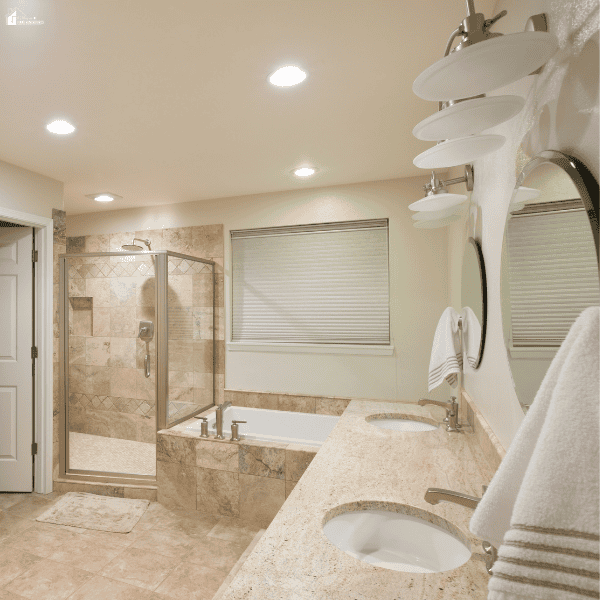
Bathrooms deal with steam, splashes, soap residue, and constant temperature changes. Materials need to look good, but they also need to survive the chaos. Pretty but high-maintenance choices can get old very quickly.
Look for finishes that are practical:
– Porcelain tile for durability and easy cleaning
– Quartz countertops for low maintenance
– Moisture-resistant paint for walls and ceilings
– Quality exhaust fans to control humidity
– Slip-resistant flooring for safety
This matters even more in coastal Virginia conditions, where humidity can be stubborn.
If you're considering bathroom remodeling in Chesapeake VA has local experts like Bath Source, a trusted remodeling company offering professional bathtub and shower installations, modern bathroom conversions, and customized solutions to create stylish, comfortable, and functional spaces.
A bathroom should be easy to maintain on a random Tuesday, not just impressive for ten minutes after installation.
Start With the Problems You Actually Need to Fix
Before you pick tile colors or save fifty photos of dreamy vanities, take a hard look at what’s not working. Maybe your storage is terrible, the lighting makes you look like a ghost, or the shower feels stuck in another decade.
Write down your top issues in order. Separate needs from wants. A leaking tub, poor ventilation, and damaged flooring belong in the must-fix category. Heated floors and a fancy rainfall showerhead can wait if your budget starts sweating.
This step keeps you from making expensive decisions based only on looks. A bathroom should be easy to clean, comfortable to use, and durable enough to handle daily traffic. Style matters, but function is doing the heavy lifting.
Set a Budget That Includes the Unfun Stuff
A lot of remodel budgets fall apart because people only price the visible items. Tile, mirrors, and fixtures get all the attention. Then plumbing updates, labor, demolition, and disposal show up like uninvited guests.
Build your budget in layers:
– Materials and finishes
– Labor costs
– Permit fees if required
– Delivery charges
– Temporary workarounds during construction
– A contingency fund of 10 to 20 percent
That last part matters more than people expect. Older bathrooms often hide moisture damage, outdated wiring, or plumbing issues behind walls. Once the project opens up, surprises tend to appear with perfect bad timing.
A realistic budget gives you room to solve problems without cutting corners on the parts that affect performance and safety.
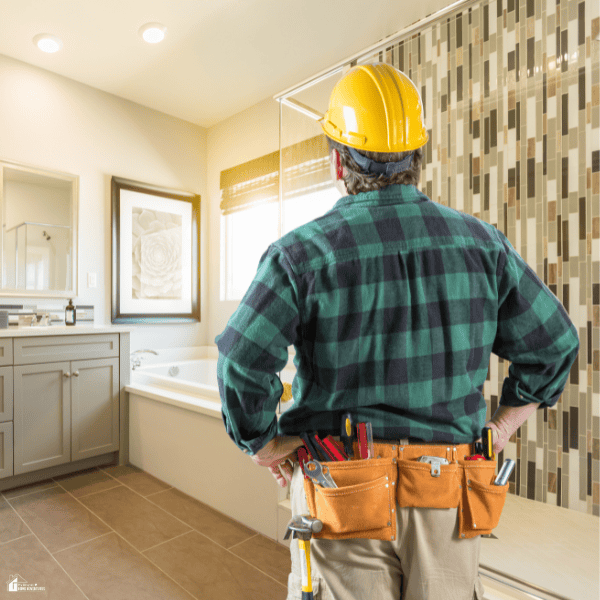
Think About Layout Before You Think About Luxury
Moving a toilet or shower can change the whole room, but it can also raise costs fast. Plumbing relocations usually require more labor, more materials, and more coordination. Sometimes a smart remodel keeps the basic layout and upgrades everything around it.
Ask yourself how you use the space each day. Do two people need to get ready at once? Do you need better storage for towels, skincare, and cleaning supplies? Is the tub taking up space that would work better as a larger shower?
Good layout choices often beat flashy upgrades. A wider vanity, better door swing, or built-in niche can improve daily use more than premium finishes ever will. Comfort, movement, and storage are what make a bathroom feel well designed instead of just expensive.
Plan for Storage Like You’ve Learned From Past Mistakes
Almost everyone underestimates bathroom storage. Then the counter fills up with hair products, chargers, razors, lotions, and the mysterious collection of items that seem to multiply overnight.
Think beyond the vanity cabinet. Recessed medicine cabinets, drawer organizers, over-toilet shelving, and built-in shower niches can make a compact bathroom feel much more functional. If you share the space, divided storage saves time and reduces clutter-driven arguments.
Try to match storage to your habits. Tall drawers work well for bottles and tools. Open shelves can hold towels if you’re disciplined about keeping them neat. Closed cabinets hide visual mess, which is often the better choice.
The goal isn’t cramming in more stuff. It’s giving the things you actually use a spot that makes the room easier to keep clean.
Don’t Ignore Lighting and Ventilation
Lighting can make a gorgeous remodel feel awkward if it’s too dim, too harsh, or badly placed. One ceiling light in the middle of the room rarely does enough. Bathrooms need layered lighting that supports real tasks.
A better setup often includes:
– Overhead ambient lighting
– Vanity lighting at face level
– Shower lighting if the space is dark
– Dimmers for flexibility
Ventilation deserves equal attention. A quality exhaust fan helps reduce moisture, mildew, peeling paint, and that damp feeling nobody enjoys. It also protects the materials you just paid for.
If your bathroom fogs up like a car windshield every morning, your ventilation probably needs help. It’s not the glamorous part of remodeling, but it has a direct effect on comfort, maintenance, and how long your upgrades stay in good shape.
Work With the Right Pros and Ask Better Questions
Picking a contractor based only on the lowest quote can backfire fast. You want someone who communicates clearly, respects timelines, and understands the kind of remodel you’re planning. Bathrooms involve tight spaces and multiple trades, so details matter.
Ask practical questions before signing anything:
– What is included in the estimate?
– Who handles permits and inspections?
– What happens if hidden damage is found?
– What is the expected timeline?
– How will dust and debris be managed?
Also ask how often you’ll get updates. A remodel runs more smoothly when expectations are clear on both sides. Good communication prevents a lot of stress, confusion, and budget drift.
You’re not just hiring someone to install tile. You’re trusting them to manage a project inside your home, which is a very different level of access.