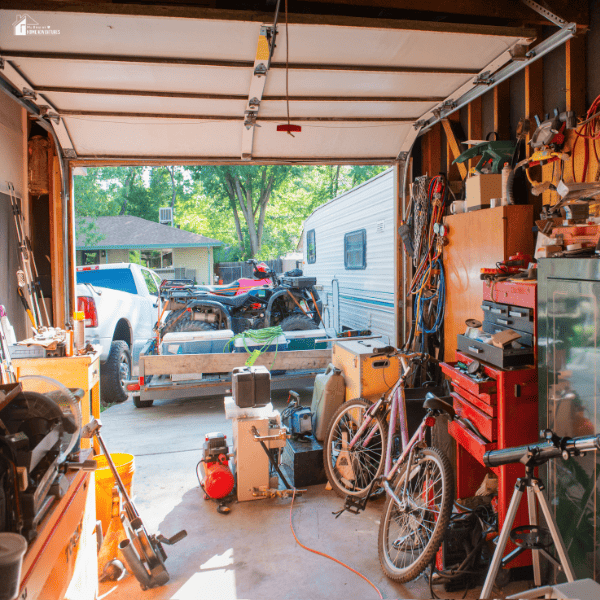
Designing a Home That Works for You: From Comfort to Creativity
This post may contain affiliate links which might earn us money. Please read my Disclosure and Privacy policies here
A home is more than a place to live, it is where routines take shape, where children learn and grow, and where daily life unfolds in ways both predictable and unexpected. For families who spend a significant amount of time at home, whether through homeschooling, remote work, or simply a preference for a slower pace, the environment itself becomes an active part of that experience.
Designing a home that truly works for your family means thinking beyond aesthetics. It requires balancing comfort, functionality, and creativity in a way that supports everyday living while allowing space for personal expression. When done well, even small adjustments can transform a home into a place that feels more intuitive, organised, and enjoyable to live in.
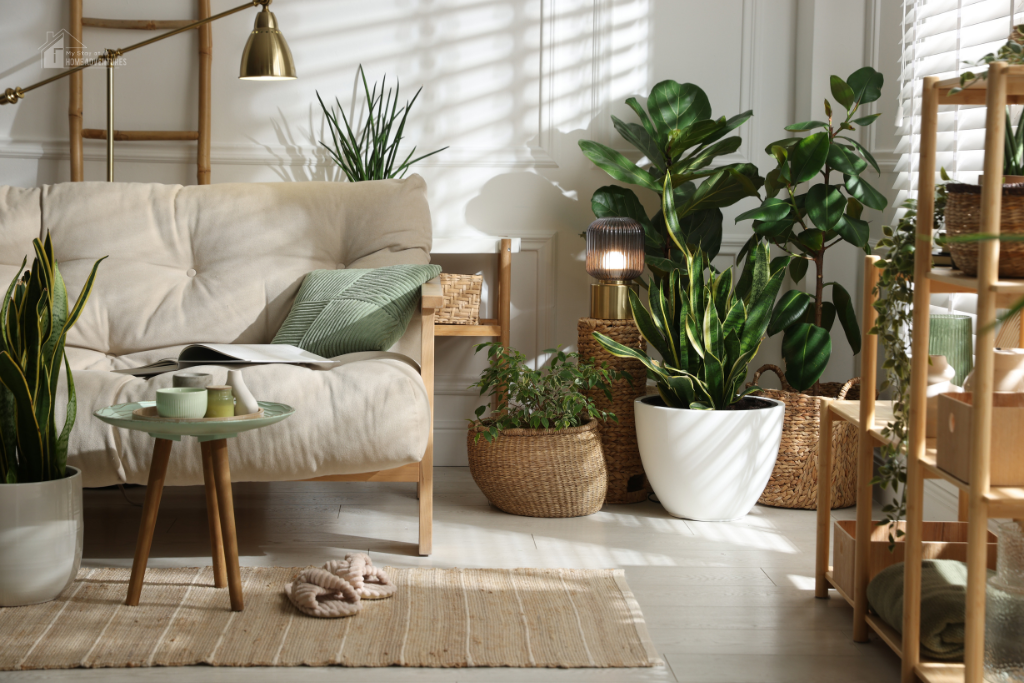
Building a Foundation of Comfort
Comfort is often the starting point for a functional home, but it is also one of the most overlooked aspects. Temperature fluctuations, poor airflow, or inconsistent lighting can quietly affect mood, productivity, and overall wellbeing. These factors may not always be visible, but they shape how a space feels throughout the day.
For families managing busy schedules, maintaining a stable and comfortable indoor environment is essential. Reliable heating, cooling, and electrical systems ensure that daily routines can continue without interruption, whether that involves focused learning time, creative activities, or simply relaxing together.
Working with professionals who understand local needs, such as experienced electricians & HVAC services in Rigby, can help create a home environment that supports consistency and comfort. From optimising airflow to ensuring safe and efficient electrical systems, these foundational elements make it easier for everything else in the home to function smoothly.
Creating Spaces That Encourage Creativity
Once the basics are in place, attention can shift toward creating spaces that inspire creativity and engagement. For families, this often means designing areas that can adapt to different activities, learning, crafting, playing, and relaxing.
Flexibility is key. A dining table may double as a workspace, while a corner of the living room might become a reading nook or art station. Rather than rigidly separating functions, many modern homes benefit from spaces that evolve throughout the day.
Personal touches play an important role here. Visual cues, such as labelled storage, inspirational messages, or themed decor, can make spaces feel more intentional and inviting. For example, choosing to order custom signs from Printmoz allows families to create personalised elements that support routines, reinforce learning, or simply add character to shared spaces.
These details may seem small, but they contribute to a sense of ownership and identity within the home, especially for children who are learning to navigate their environment.
Organisation as a Daily Support System
A well-designed home does not eliminate mess entirely, but it makes it easier to manage. Organisation systems that are simple, accessible, and tailored to family routines can significantly reduce daily stress.
Clear storage solutions, designated zones for different activities, and consistent placement of everyday items all contribute to a smoother flow. When children know where things belong, they are more likely to participate in maintaining the space, turning organisation into a shared responsibility rather than a constant task for parents.
Visual organisation tools, such as labels, charts, or signage, can reinforce these systems in a way that feels natural rather than restrictive. Over time, these structures support independence, helping children develop habits that extend beyond the home.
What Research Says About Home Environments
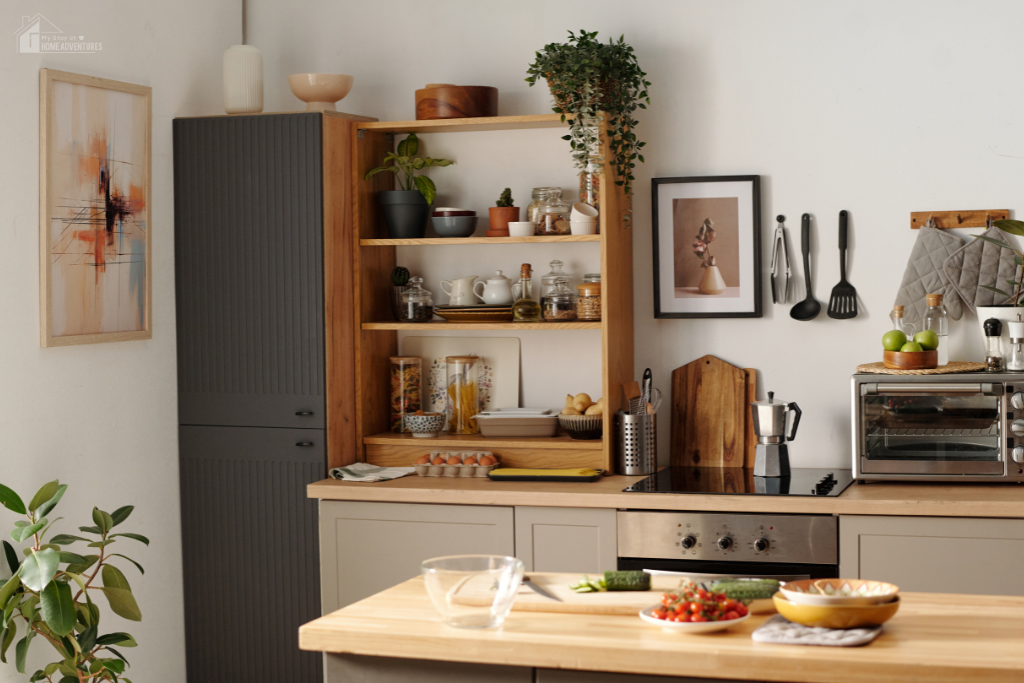
The connection between home environments and wellbeing is supported by research. According to the Centers for Disease Control and Prevention, factors such as indoor air quality, temperature control, and safe living conditions play a significant role in overall health.
While these considerations are often discussed in clinical or technical terms, they translate directly into everyday family life. A well-ventilated home supports better sleep and focus. Consistent temperatures reduce discomfort and distraction. Safe electrical systems provide peace of mind, particularly in households with young children.
Understanding this connection reinforces the importance of looking beyond surface-level improvements. A home that feels comfortable and functions reliably creates a foundation for both physical and emotional wellbeing.
Balancing Practicality With Personal Expression
One of the challenges of home design is finding the balance between practicality and personality. Functional spaces are essential, but they should also reflect the people who live in them.
This balance can be achieved through thoughtful choices that combine utility with meaning. A well-organised entryway can include hooks for bags and jackets, alongside a family message board. A study area can feature both structured storage and creative displays of children’s work. Even shared spaces can incorporate elements that celebrate family traditions or milestones.
A thoughtfully chosen rug can define a reading corner, soften a play area, or add colour to a shared living space without changing the room’s layout. Brands such as double offer washable rugs that make this approach particularly practical in areas where spills, muddy shoes, and everyday mess are part of family life.
These choices do not require major renovations. Often, it is the combination of small, intentional adjustments that creates a space that feels both efficient and welcoming.
Adapting as Family Needs Change
No home remains static. As children grow and routines evolve, the way spaces are used naturally shifts. A play area may become a study zone, while a quiet corner may transform into a workspace or hobby area.
Designing with flexibility in mind allows a home to adapt without requiring constant redesign. Modular furniture, multi-purpose storage, and adaptable layouts make it easier to respond to changing needs while maintaining a sense of continuity.
This adaptability is particularly valuable for families who spend a significant amount of time at home. It ensures that the environment continues to support daily life, rather than becoming a source of friction.
The Bigger Picture: A Home That Supports Everyday Life
At its core, designing a home that works for you is about alignment. It is about creating an environment that reflects your family’s routines, supports your priorities, and makes everyday life feel more manageable.
Comfort systems ensure that the home functions reliably. Organisational strategies create structure and reduce stress. Creative elements bring personality and warmth. Together, these components form a cohesive environment that feels both practical and personal.
A well-designed home does not happen by accident. It is the result of thoughtful choices that consider both visible and invisible aspects of daily life. By focusing on comfort, functionality, and creativity, families can create spaces that not only look good but truly support the way they live.
In the end, the goal is not perfection, but harmony, a home that works with you, adapts over time, and provides a foundation for the moments that matter most.