
Creating a Cozy and Functional Home for Family Life in Every Season
This post may contain affiliate links which might earn us money. Please read my Disclosure and Privacy policies here
A home is not a static space. It shifts and adapts alongside the rhythms of family life, busy mornings, quiet evenings, changing weather, and evolving routines. For families who spend a significant amount of time at home, comfort and functionality are not luxuries; they are essential to maintaining balance, productivity, and wellbeing.
Designing a home that works throughout every season requires a thoughtful approach. It means considering not only how a space looks, but how it feels, how it performs, and how it supports the everyday moments that matter most.
Building a Foundation of Year-Round Comfort
Comfort begins with consistency. Regardless of the season, a home should provide a stable environment where families can focus, relax, and connect without distraction. Temperature control plays a major role in this, influencing everything from sleep quality to concentration levels.
In regions where seasonal changes are more pronounced, maintaining that balance can be challenging without the right systems in place. Working with professionals who specialise in heating & cooling in Grand Rapids, MI helps ensure that indoor environments remain comfortable whether it is the peak of summer or the depths of winter.
Reliable heating and cooling systems do more than regulate temperature, they create a foundation for daily life. When a home feels comfortable, routines flow more naturally, and the space becomes more supportive of both productivity and relaxation.
Creating Warmth Beyond Temperature
While temperature control is essential, comfort is also about atmosphere. The feeling of warmth in a home often comes from the details that make a space inviting, soft lighting, familiar textures, and places where family members naturally gather.
During colder months, this sense of warmth becomes especially important. A well-designed living area can transform into a central hub where families spend time together, whether reading, talking, or simply unwinding after a long day.
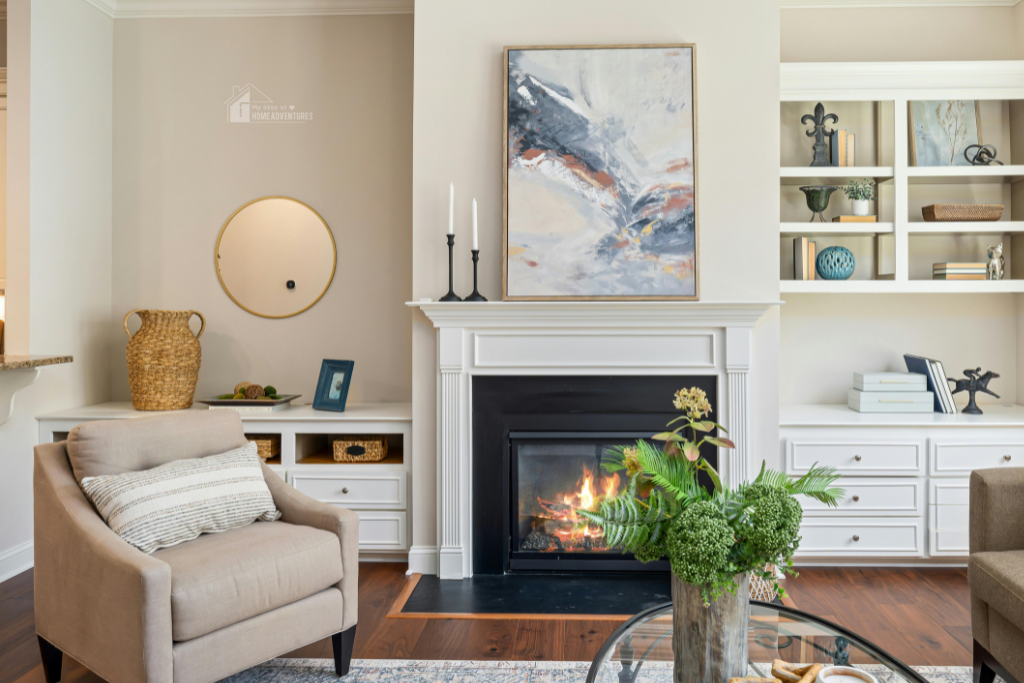
Incorporating elements like fireplaces or focal features can enhance this experience. Choosing quality solutions from providers such as The Great Fire Company allows homeowners to create a space that feels both comfortable and visually engaging. These additions do not just provide heat, they contribute to the emotional tone of the home, making it feel more welcoming and connected.
Adapting Spaces for Seasonal Living
A functional home is one that evolves with the seasons. What works in summer may not serve the same purpose in winter, and vice versa. Flexibility allows families to make the most of their space without needing constant redesign.
In warmer months, homes often open up. Natural light becomes more prominent, windows stay open longer, and outdoor areas may extend the living space. This shift encourages movement, activity, and a lighter atmosphere.
As temperatures drop, the focus moves inward. Spaces become more enclosed, lighting becomes softer, and comfort takes priority over openness. Adjusting layouts, textiles, and lighting can help support this transition, creating an environment that feels appropriate for each season.
The key is not to overhaul the home, but to make small, intentional adjustments that align with changing needs.
The Role of Air Quality and Energy Efficiency

Comfort is closely tied to air quality and energy efficiency, two factors that often operate behind the scenes. Proper ventilation ensures that indoor air remains fresh, reducing the buildup of dust, allergens, and moisture. At the same time, efficient systems help maintain consistent temperatures without unnecessary energy use.
According to the U.S. Department of Energy, well-maintained heating and cooling systems can significantly improve energy efficiency while supporting a healthier indoor environment. This reinforces the importance of regular maintenance and thoughtful system design.
For families, these considerations translate into tangible benefits, lower energy costs, improved comfort, and a home that feels more stable throughout the year.
Designing for Daily Routines
Beyond physical comfort, a functional home supports the routines that define family life. This includes everything from morning preparations to evening wind-downs, as well as work, learning, and leisure activities.
Creating designated zones for different tasks can make a significant difference. A quiet corner for reading, a clear workspace for homeschooling, or a central area for family interaction all contribute to a more organised and manageable environment.
These spaces do not need to be large or elaborate. What matters is that they are intentional and aligned with how the family actually uses the home. When spaces are designed with purpose, daily routines become smoother and more predictable.
Balancing Practicality With Comfort
One of the challenges of home design is finding the balance between practicality and comfort. Functional systems and organised layouts are essential, but they should not come at the expense of warmth and personality.
A truly effective home blends both elements. It provides the infrastructure needed for daily life while also creating an atmosphere that feels inviting and personal. This balance allows families to move through their routines efficiently while still enjoying the space they are in.
Small details often play a big role here. Textiles, lighting, and personal touches can soften more practical elements, creating a cohesive environment that feels both structured and relaxed.
Preparing for Change
Family needs are constantly evolving. Children grow, routines shift, and priorities change over time. A home that works well today may need to adapt in the future.
Designing with flexibility in mind allows for these transitions without requiring major changes. Multi-purpose furniture, adaptable layouts, and scalable systems make it easier to adjust as needed.
This forward-thinking approach ensures that the home continues to support family life, rather than becoming a source of limitation.
Creating a cozy and functional home is not about achieving perfection. It is about understanding how a space can support the people who live in it, across different seasons and stages of life.
By focusing on comfort, adaptability, and thoughtful design, families can create environments that feel both practical and welcoming. From reliable temperature control to inviting shared spaces, each element contributes to a home that works not just in one moment, but throughout the year.
In the end, the goal is simple: a home that feels right, no matter the season.