A Practical Guide to Maintaining a Home That Supports Everyday Family Life
This post may contain affiliate links which might earn us money. Please read my Disclosure and Privacy policies here
Family life has a rhythm of its own. There are busy mornings, mid-day resets, and evenings that rarely go exactly as planned. In homes where much of life unfolds, whether through homeschooling, remote work, or simply spending more time together, functionality becomes just as important as comfort. A well-maintained home does not eliminate chaos entirely, but it creates a structure that makes daily life easier to manage.
Maintaining that kind of environment is not about perfection. It is about building systems, both visible and behind the scenes, that support routines, reduce friction, and allow families to focus on what matters most.
The Foundation: Reliable Home Systems
Before organisation or cleaning routines can truly be effective, the home itself needs to function reliably. Heating, cooling, plumbing, and electrical systems form the backbone of everyday comfort, even if they often go unnoticed.
When these systems are working properly, they create a stable environment where routines can unfold without interruption. When they are not, even small issues, like inconsistent temperatures or minor leaks, can disrupt the flow of the day and add unnecessary stress.
Working with experienced providers such as McQuillan Home Services LLC helps ensure that these essential systems remain dependable. Professional maintenance and timely support allow homeowners to address issues early, preventing them from escalating into larger problems that are harder to manage.
This kind of preventative approach does not just protect the home, it supports the people living in it by creating a more predictable and comfortable environment.
Cleaning as a System, Not a Task
In a busy household, cleaning can easily feel like a never-ending cycle. Surfaces are cleared, only to be used again. Floors are cleaned, only to collect new dirt within hours. Instead of treating cleaning as a series of isolated tasks, it can be more effective to approach it as a system.
This means focusing on consistency and efficiency rather than intensity. Small, regular efforts often produce better results than occasional deep cleans that are difficult to maintain. It also means using the right tools to simplify the process.
For larger areas or homes with high foot traffic, solutions like those discussed by SweepScrub can make a noticeable difference. Choosing equipment that is suited to the home’s layout and daily demands helps reduce the time and effort required to keep floors and surfaces clean.
When cleaning becomes part of a structured routine, it feels less overwhelming and more manageable over time.
Organising for Real Life
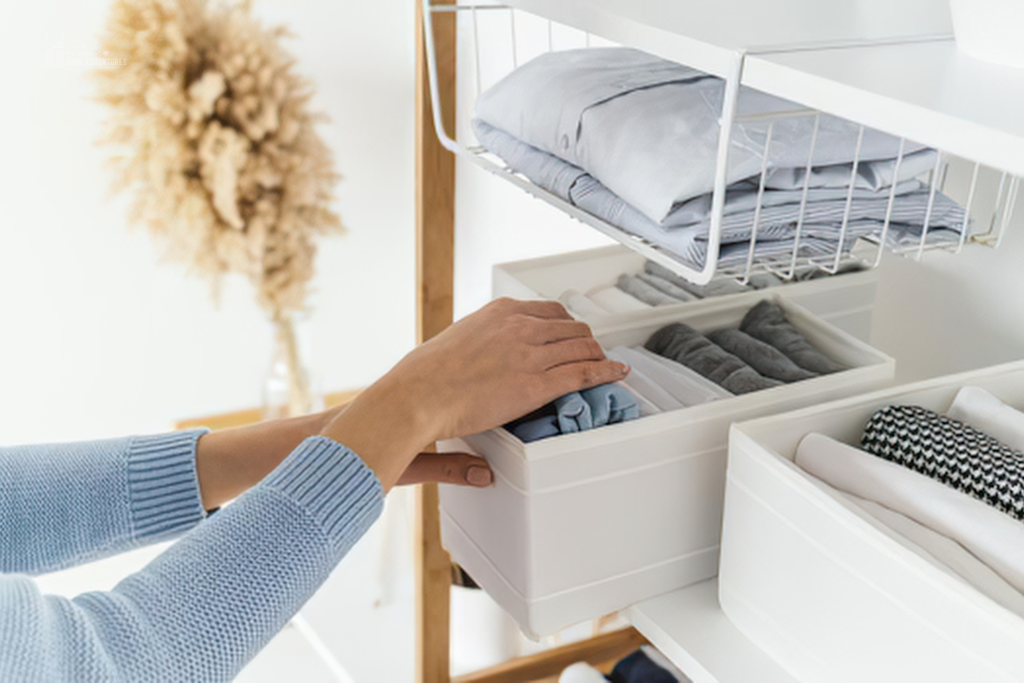
Organisation is often presented as a way to create visually appealing spaces, but its true value lies in how it supports daily life. In family homes, this means creating systems that are practical, flexible, and easy to maintain.
Designated spaces for everyday items, shoes, bags, school materials, and household essentials, can significantly reduce clutter. When everything has a place, it becomes easier to reset the home at the end of the day.
However, organisation should reflect how a family actually lives, not how a space is expected to look. A system that works in theory but is difficult to maintain in practice will quickly fall apart. The goal is to create structures that feel intuitive, even during busy or unpredictable days.
The Role of Air Quality and Environment
A clean and organised home is only part of the picture. The overall environment, particularly air quality, also plays a crucial role in comfort and wellbeing.
Dust, allergens, and moisture can accumulate over time, especially in homes where ventilation is limited or systems are not regularly maintained. These factors may not always be visible, but they can affect how a space feels and functions.
According to the Centers for Disease Control and Prevention, maintaining a healthy indoor environment involves proper ventilation, moisture control, and regular upkeep of household systems. These elements contribute to a living space that supports both physical health and day-to-day comfort.
For families, this means that maintaining the home is not just about appearance, it is about creating a space where everyone can feel at ease.
Building Routines That Support the Home
One of the most effective ways to maintain a functional home is to align household systems with daily routines. When tasks are built into the natural flow of the day, they feel less like chores and more like part of a shared rhythm.
Morning resets, quick afternoon tidying, and evening cleanups can all contribute to a home that stays relatively organised without requiring large blocks of time. Involving children in age-appropriate tasks also helps distribute responsibility and build habits that last.
These routines do not need to be rigid. Flexibility is important, especially in family life. What matters is consistency, small actions repeated regularly that prevent larger problems from developing.
Preparing for Change
Family needs are constantly evolving. As children grow, schedules shift, and priorities change, the way a home is used will naturally adapt. A space that works well today may need to be adjusted in the future.
Planning for this flexibility can make transitions smoother. Multi-purpose furniture, adaptable storage, and scalable systems allow the home to evolve without requiring major changes.
This approach reduces the pressure to maintain a perfect setup and instead focuses on creating a home that can respond to changing needs over time.
Bringing It All Together
A well-maintained home is not defined by spotless surfaces or perfectly arranged spaces. It is defined by how effectively it supports the people who live in it.
Reliable systems create a stable foundation. Thoughtful cleaning routines maintain order. Practical organisation reduces stress. And a healthy environment ensures comfort and wellbeing. Together, these elements form a cohesive approach to home care that aligns with the realities of family life.
Maintaining a home that supports everyday family life is an ongoing process, not a one-time effort. It requires attention to both visible and invisible details, as well as a willingness to adapt as needs change.
By focusing on functionality, consistency, and realistic systems, families can create spaces that feel manageable, comfortable, and supportive. In the end, the goal is not to eliminate the natural mess of life, but to create an environment where it can be handled with ease, and where the home continues to work for the people who depend on it every day.