Upgrade Smart: Top Home Maintenance and Improvement Tips Every Owner Should Know
This post may contain affiliate links which might earn us money. Please read my Disclosure and Privacy policies here
Keeping a place in good shape takes more than occasional fixes. It needs steady attention and smart planning. In New Jersey, where changing seasons bring heat, snow, wind, and rain, your living space often faces more wear than expected.
Local residents know the importance of updating key features before the weather becomes an issue. Some upgrades serve more than one purpose. They protect your investment, help with energy use, and boost long-term value.
Exterior enhancements, especially those designed for this region’s climate, are becoming more common among NJ dwellers.
Here are some simple ways to plan ahead, avoid bigger issues, and improve your everyday comfort with smart decisions:
Start With an Annual Maintenance Calendar
A clear seasonal schedule makes upkeep easier to handle. Start in early spring with a general inspection. Check for moisture, pest activity, or leftover winter damage. In summer, clean siding and power-wash surfaces exposed to the elements. Fall is the time to test heating systems, clear leaves from drains, and seal entry points.
Winter months are perfect for indoor checks like attic insulation and appliance servicing. Spreading tasks across the year helps prevent unexpected costs. It also allows you to plan financially for bigger investments. Break projects down by quarter and stay consistent. That way, no issue lingers too long or becomes worse over time.
Don’t Overlook Exterior Siding
New Jersey homes face high humidity in summer, coastal winds, and snowy winters. Siding takes the brunt of it all. If you’re looking for services like home siding replacement NJ has several local contractors that can offer you long-lasting, energy-saving options.
A trusted local provider can offer insulated siding choices that boost comfort and lower utility bills. Their team also handles the removal of old materials, preps walls with care, and installs new siding with secure fasteners to resist storm impact.
You can explore different textures, finishes, and materials like vinyl or fiber cement that are built to withstand moisture. This isn’t just about looks. It’s a solid way to guard against seasonal damage.
Seal Windows and Doors to Keep Drafts Out
Small gaps around windows and door frames let air escape and moisture sneak in. That can push up energy use and lead to damage you won’t notice right away. Grab a caulk gun or weatherstripping kit and seal anything that looks worn.
This task doesn’t take long, but it makes a noticeable difference in how warm or cool your place feels. You’ll see the results on your utility bill and feel them around the clock. Recheck these seals every six months.
Replacing worn rubber seals or damaged frames early on can stop mold, condensation, and energy loss before they turn into major concerns.
Upgrade Your Insulation Where It Counts
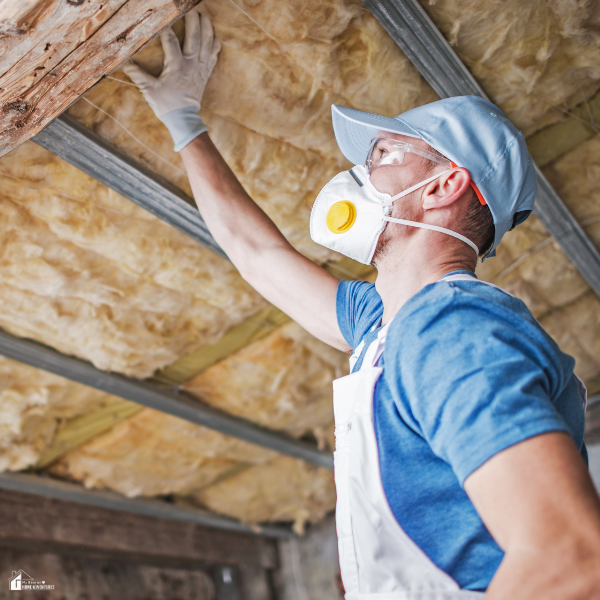
If your attic, crawl space, or basement doesn’t have solid insulation, now’s the time to act. In many older residences, these areas often get overlooked. Poor insulation makes heating and cooling harder and leads to high bills during winter and summer peaks.
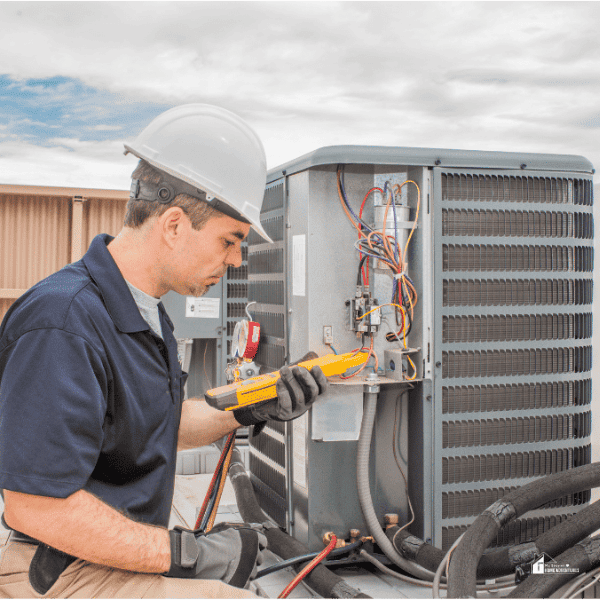
Use blown-in cellulose or fiberglass batts for attic floors and consider spray foam for hard-to-reach corners. Focus on air leaks around vents, ducts, or ceiling gaps, too. Proper insulation keeps air where it belongs and helps your HVAC system work efficiently.
This simple change adds year-round comfort while preventing condensation, mold, and even pest problems caused by temperature shifts.
Check Roofing After Each Harsh Weather Season
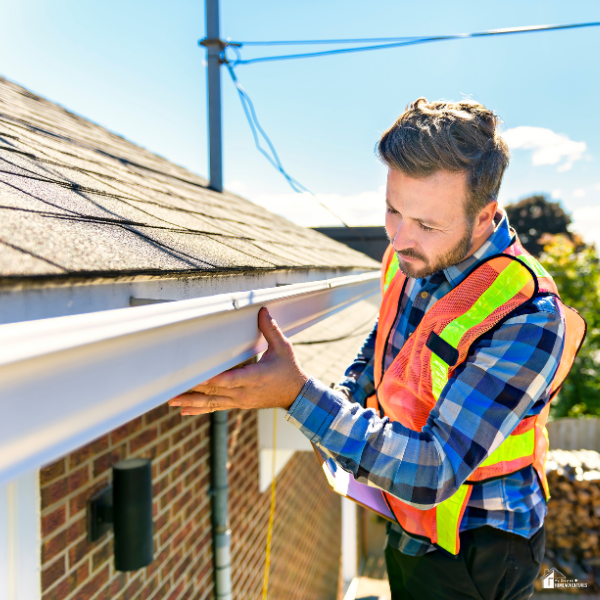
Strong winds, snow buildup, or heavy rain can lead to problems for your roof. After each harsh season, walk the perimeter of your building and look up. Missing shingles, dark patches, or sagging spots are all signs that something’s wrong. Inside, check your attic or upper walls for water stains or musty smells.
If anything seems off, book a local inspection right away. You don’t always need a full replacement. Sometimes, it’s just a few shingles or flashing pieces that need to be secured. The sooner you catch an issue, the less money you spend. It’s better to be cautious than to deal with water damage later.
Install a Smart Thermostat
Switching to a smart thermostat helps balance indoor temperature without constant adjustments. These devices learn your routine, reduce waste, and keep heating or cooling efficient. In New Jersey, where winters can be freezing and summers humid, the temperature shifts can take a toll on older systems.
A programmable unit adjusts settings when you're away and brings comfort back when you return. You can even control it remotely from your phone. This small upgrade can lead to noticeable savings on monthly bills and make your setup easier to manage year-round. Start with a model compatible with your current system and review usage reports to spot trends.
Add a Backup Generator for Emergencies
Power outages often follow storms or heatwaves. Investing in a backup generator keeps key appliances running when the grid goes down. You don’t need the largest model. You need one that covers the essentials, such as your fridge, heater, medical equipment, or Wi-Fi. Choose from portable gas-powered units or automatic standby models connected to your fuel line.
Keep it in a well-ventilated space and test it regularly. A generator brings peace of mind, especially if you live in a flood-prone or heavily wooded area. Don’t wait for the next blackout to make this decision. Prepare early and reduce the stress that comes with unexpected outages.
Owning a place means adjusting to seasonal shifts and staying proactive. Whether it's sealing gaps, updating old materials, or investing in smart technology, the key is timing and consistency. You don’t need to do everything at once. Just work through your plan in small phases.
Pay attention to what your living space needs now, and you’ll avoid higher expenses later. Services like home siding replacement show how local upgrades can make a real impact.
With the right care, every season becomes a little easier to manage. Smart choices today make living more comfortable and easier to manage in the long run.