The Everyday Home Issues That Tend to Disrupt Family Life the Most
This post may contain affiliate links which might earn us money. Please read my Disclosure and Privacy policies here
Family life depends heavily on consistency. Morning routines, school schedules, work responsibilities, meals, laundry, and bedtime all rely on the home functioning smoothly in the background.
When household systems stop working properly, even relatively small problems can quickly create stress that affects everyone in the house.
What makes these disruptions especially frustrating is that they usually involve ordinary systems people barely think about until something suddenly goes wrong.
Most families are not expecting perfection from their homes. What they value most is reliability. Stable temperatures, working plumbing, dependable electricity, and functioning appliances quietly support daily life every hour of the day.
Once those systems become unpredictable, routines become harder to manage and stress levels rise much faster than homeowners often expect.
Plumbing Problems Interrupt Daily Routines Immediately
Few household issues disrupt family life faster than plumbing problems. Water is connected to nearly every part of the daily schedule, from showers and laundry to cooking, dishwashing, and cleaning.
Even small plumbing issues such as slow drains, inconsistent hot water, or weak water pressure quickly become frustrating when multiple people are relying on the same systems throughout the day.
Larger problems such as leaks, clogged drains, or overflowing fixtures create even more immediate stress because they often require homeowners to stop normal routines completely until repairs are handled.
Families with children especially feel the impact because mornings and evenings already operate on tight schedules.
This is why reliable electrical & plumbing services become so important for long-term household stability. Homes feel significantly calmer when families trust that critical systems will continue functioning consistently without sudden interruptions.
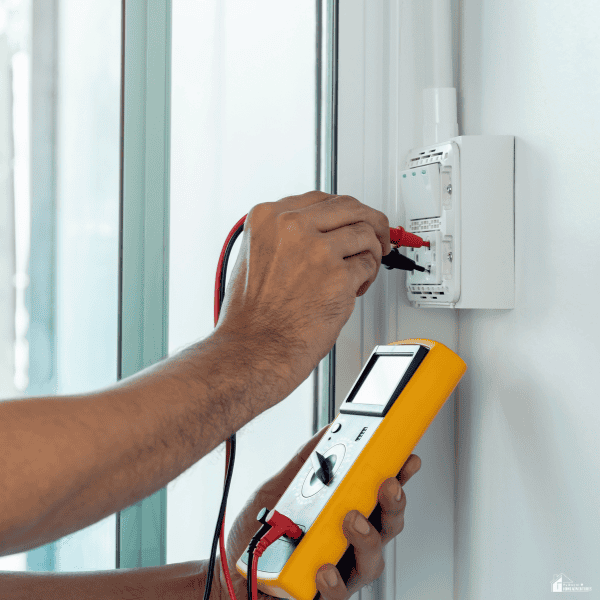
Electrical Problems Create Both Stress and Safety Concerns
Electrical issues are another category of household disruption families tend to underestimate until they begin affecting daily life directly.
Flickering lights, overloaded outlets, tripped breakers, or unreliable appliances often seem minor initially, but they quickly create frustration once they begin interfering with work, cooking, school responsibilities, or entertainment.
Modern households depend heavily on electricity because so many routines now involve connected devices, remote work equipment, charging stations, and digital communication. A small electrical issue can therefore affect multiple family members simultaneously in ways that were less common years ago.
Electrical problems also create emotional stress because homeowners recognize the potential safety risks involved. Even when systems continue functioning partially, uncertainty about reliability often makes households feel less comfortable overall.
Heating and Cooling Problems Affect Everyone in the House
Temperature inconsistency is another issue that tends to disrupt family life more than people expect. Uneven airflow, weak cooling, or heating systems struggling during extreme weather often create tension throughout the home because comfort affects sleep, concentration, mood, and energy levels directly.
Children, older adults, and family members working from home are often especially sensitive to environmental discomfort. A house that feels too hot, too cold, humid, or difficult to regulate can quickly affect productivity and emotional patience across the household.
HVAC issues also become exhausting because they are experienced continuously. Unlike isolated repairs, temperature discomfort follows people throughout the day and night until the underlying problem is resolved.
Small Maintenance Delays Often Become Larger Emergencies
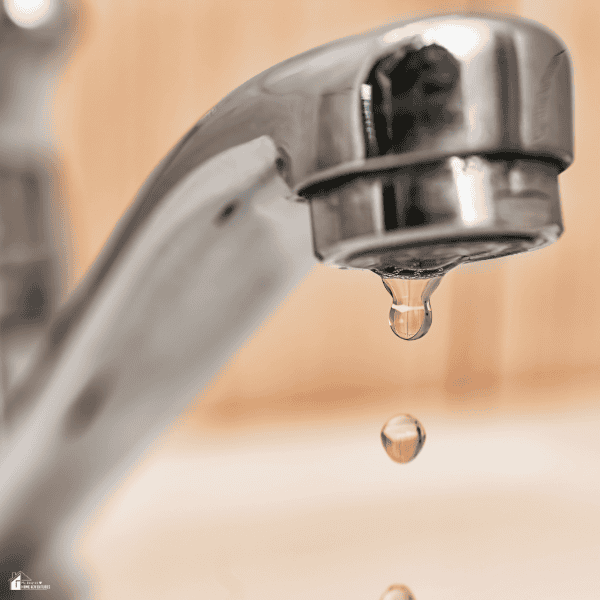
One reason household problems become so disruptive is because many begin as small warning signs homeowners postpone addressing. A dripping faucet, occasional breaker trip, or weak airflow may seem manageable initially, especially during busy periods when families already feel overwhelmed with responsibilities.
The issue is that small maintenance gaps rarely stay isolated for long. Plumbing leaks spread moisture gradually. Electrical strain increases wear on connected systems. HVAC inefficiency places additional pressure on equipment continuously.
Over time, these small problems often evolve into larger emergencies requiring urgent repairs and more expensive restoration work.
Families usually experience the greatest stress when small manageable issues suddenly become unavoidable disruptions affecting multiple parts of the household at once.
Household Reliability Reduces Emotional Stress
Many homeowners underestimate how strongly reliable home systems affect emotional well-being. Homes that function consistently create a sense of stability because families can focus on routines, work, school, and personal time instead of constantly reacting to maintenance problems.
By contrast, homes with recurring issues often create low-level stress even between repairs. People begin worrying about when the next leak, outage, or system failure might happen. Over time, this uncertainty affects how relaxing and comfortable the home environment feels overall.
The most comfortable homes are therefore usually not the ones with the most dramatic upgrades. They are the homes where infrastructure works quietly and predictably in the background every day.
Families Notice Functionality More Than Luxury
One important reality many homeowners eventually realize is that functionality matters far more than appearance once everyday life settles in. Beautiful finishes and modern design features lose importance quickly if plumbing problems, electrical issues, or heating failures repeatedly interrupt routines.
Families tend to value homes that make life easier rather than more complicated. Reliable water systems, stable electricity, quiet HVAC performance, and quick maintenance response all contribute to a calmer environment where daily responsibilities feel easier to manage.
The household issues that disrupt family life most are usually not dramatic disasters. More often, they are repeated interruptions affecting the small routines people depend on constantly.
That is why long-term comfort often comes down less to luxury and more to reliability, consistency, and systems people rarely have to think about at all when everything is working properly.