What Makes a House Feel Easier to Live In Every Day
This post may contain affiliate links which might earn us money. Please read my Disclosure and Privacy policies here
Some houses immediately feel comfortable in a way that is difficult to explain. Daily routines flow naturally, rooms feel balanced, and the environment supports everyday life without constant frustration or adjustment.
Other homes may appear visually impressive yet gradually feel stressful or inconvenient once people actually begin living inside them full time. The difference usually comes down to thoughtful functionality rather than appearance alone.
Modern homeowners increasingly value homes that reduce friction instead of simply creating visual impact. Comfort today is often defined by how smoothly a house supports routines, organization, movement, and environmental stability every single day.
Small details such as layout flow, natural light, storage placement, and indoor comfort quietly shape how relaxing or exhausting a home feels over time.
Functional Layouts Reduce Everyday Stress
One of the biggest things making a home feel easier to live in is a layout designed around real daily routines. Kitchens connected naturally to living areas, organized traffic flow between rooms, and practical storage placement all reduce the number of small frustrations people experience throughout the day.
Homes with awkward layouts often force residents to constantly work around the space instead of moving comfortably through it. Narrow walkways, disconnected rooms, poor storage access, or inefficient transitions gradually create stress that becomes more noticeable over time.
Builders such as Seven Custom Homes in Austin, TX increasingly focus on designing around how families actually live rather than simply maximizing square footage. Homes tend to feel significantly more comfortable when the layout supports movement naturally instead of prioritizing appearance alone.
Consistent Comfort Changes the Entire Experience
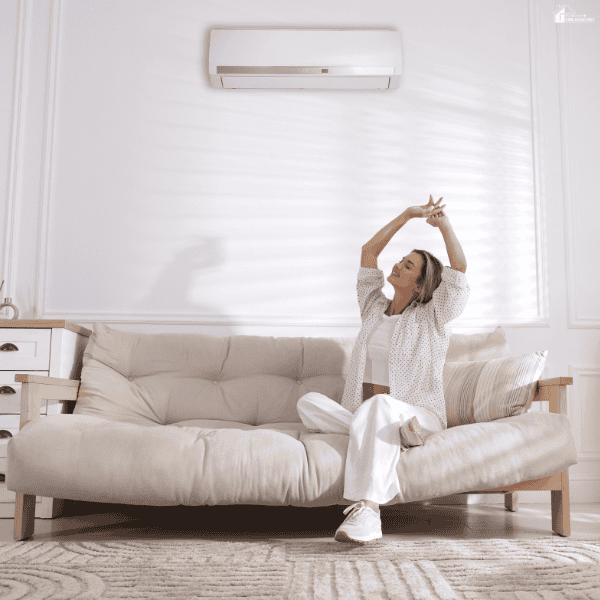
Another major factor affecting everyday livability is environmental consistency. Homes with balanced airflow, stable temperatures, and healthy indoor air quality feel calmer because people are not constantly adjusting thermostats or moving between uncomfortable spaces.
Small HVAC inefficiencies become surprisingly disruptive once routines settle in. Rooms that stay warmer than others, poor ventilation, or systems running constantly in the background all affect sleep, focus, and emotional comfort more than homeowners often expect initially.
Well-designed homes quietly support comfort without demanding constant attention. This consistency helps the environment feel stable and relaxing instead of unpredictable or difficult to manage throughout changing seasons.
Natural Light Makes Spaces Feel More Comfortable
Lighting also strongly affects whether a home feels easy to live in long term. Spaces with balanced natural light generally feel more open, calmer, and emotionally comfortable throughout the day. Homes lacking natural light often feel smaller, heavier, or more exhausting even when the overall layout is attractive.
Thoughtful window placement changes how rooms function emotionally as well as visually. Morning light in kitchens, softer evening light in living spaces, and balanced brightness throughout the home all contribute to a stronger sense of comfort without homeowners consciously noticing the effect constantly.
Artificial lighting matters equally as much. Homes feel significantly easier to live in when lighting adjusts naturally to different activities and times of day rather than forcing every room to function under harsh uniform brightness.
Storage Quietly Supports Better Routines
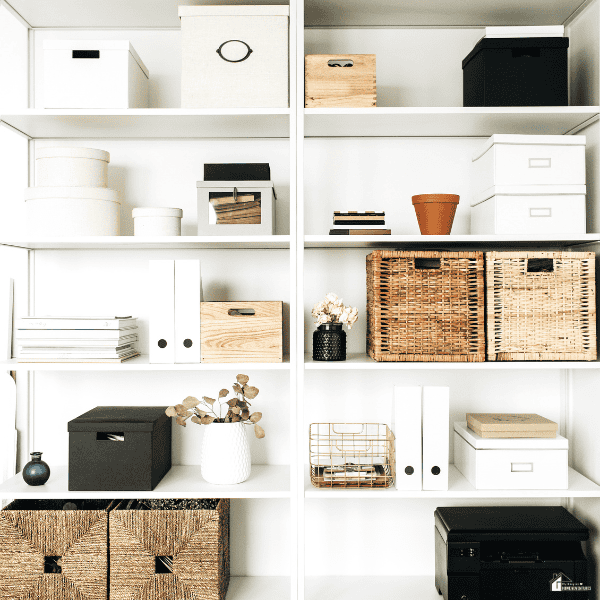
Another thing homeowners appreciate over time is practical storage integrated naturally into the home itself. Clutter becomes one of the biggest sources of everyday household stress because crowded surfaces and disorganized spaces make routines feel more chaotic than necessary.
Homes feel easier to manage when storage exists where people naturally need it most. Entryways supporting shoes and bags, organized kitchen storage, functional laundry spaces, and accessible closets all reduce visual stress while improving efficiency throughout daily routines.
The best-designed homes rarely feel crowded because the environment itself supports organization without requiring constant effort to maintain order manually.
Quietness Creates a More Relaxing Home
Noise is another factor people often underestimate until they live inside a home full time. Loud HVAC systems, poor sound insulation, echo-heavy layouts, or exterior noise exposure gradually affect how restful and emotionally calm a space feels over time.
Homes that feel easy to live in usually create a stronger sense of quiet stability. Better insulation, thoughtful room separation, and quieter mechanical systems reduce low-level stress throughout the day even when residents stop consciously noticing the environmental differences directly.
This becomes especially important in modern households balancing work, family schedules, entertainment, and personal downtime within the same environment daily.
Homes Feel Better When They Support Real Life
Perhaps the biggest thing separating comfortable homes from frustrating ones is whether the design supports real everyday living instead of focusing only on visual impact.
Beautiful finishes matter, but homeowners spend years interacting with layouts, storage systems, lighting, airflow, and movement patterns far more than they admire individual design features.
The homes people enjoy most long term are usually the ones that quietly simplify daily life. They reduce unnecessary stress, support routines naturally, and create environments where people feel comfortable spending extended time without constantly noticing small frustrations or inconveniences.
A house feels easier to live in every day when the environment works with the people inside it instead of against them. That ease rarely comes from one dramatic feature alone.
More often, it is created through many thoughtful details working together consistently in the background to support comfort, organization, and stability over time.