How an Electric Pool Heat Pump Extends Your Swim Season
This post may contain affiliate links which might earn us money. Please read my Disclosure and Privacy policies here
Cold water kills the mood fast. If you want to swim comfortably past summer, an electric pool heat pump is one of the smartest upgrades you can make. It works year-round, runs quietly, and costs far less to operate than gas or propane heating options.
Unlike a gas heater that burns fuel to create heat, a heat pump pulls warmth from the surrounding air and transfers it into your pool water. It does not generate heat. It moves it. That single difference is what makes it so much more efficient over a full season of use.
How a Pool Heat Pump Actually Works
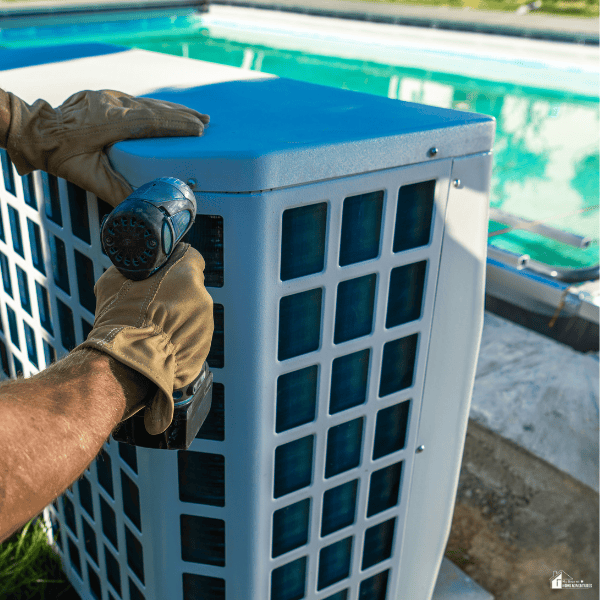
The process starts with a fan that draws in outside air across an evaporator coil. The coil contains a refrigerant that absorbs the heat from that air, even on cooler days. The refrigerant then moves to a compressor, which raises its temperature further, and the heat passes into the pool water through the heat exchanger.
Once the heat transfers, the refrigerant cools back down and the cycle starts again. Most well-built units can pull useful heat from the air at temperatures as low as 45 to 50 degrees Fahrenheit. That extends your swimming window well into spring and fall without a dramatic jump in your electricity use.
Choosing the Right BTU Size for Your Pool
BTU output is the most important number to get right when selecting a heat pump. Too small and the unit runs constantly without reaching your target temperature. Properly sized, it heats the water efficiently and then maintains the temperature without constant strain on the motor.
As a general starting point, a small above ground pool holding up to 5,000 gallons works well with a unit in the 16,000 to 22,000 BTU range. Larger pools from 10,000 to 15,000 gallons typically need 50,000 BTU or more.
Wind exposure, shading, and your local climate all affect how hard the unit has to work, so sizing up slightly is a sensible move.
Understanding COP and Why It Matters
COP stands for coefficient of performance. It tells you how much heat output you get for each unit of electricity the pump uses. A COP of 5 means the unit delivers five units of heat energy for every one unit of electrical energy consumed.
That is the figure that makes an electric pool heat pump so appealing compared to direct resistance heaters.
Most quality heat pumps fall in the COP range of 3 to 7. Higher is better, especially if you plan to run the unit daily across a long swim season. A unit with a COP of 5 or above will cost you significantly less to operate over the course of a season than one sitting at the lower end of that range.
Best Swimming Pool Parts to Pair with a Heat Pump
A heat pump performs best when the rest of your equipment supports it. Pairing it with a quality variable-speed or standard circulation pump ensures water flows through the heat exchanger at the right rate. Slow flow reduces heat transfer efficiency. Too fast and the water does not pick up enough heat per pass.
The best swimming pool parts to use alongside a heat pump include a titanium heat exchanger, good hose connections, a reliable thermostat, and a pool cover. Titanium resists corrosion from both chlorine and saltwater, which makes it a durable long-term choice.
A solar or thermal pool cover holds the heat in overnight and reduces how often the pump needs to run.
Top Features to Look for in a Quality Unit
A built-in thermostat with a digital display gives you direct control over water temperature. You can set a target temp and let the unit maintain it without manual adjustment. Some models also include WiFi connectivity, which lets you monitor and adjust settings from your phone.
Defrost mode is another feature worth having. On cooler mornings, frost can build up on the evaporator coil and reduce efficiency. A unit with automatic defrost cycles handles this on its own without you needing to intervene. Look for this feature if you plan to use the heater during transitional seasons.

The 22250 BTU Electric Pool Heat Pump
The 22250 BTU electric pool heat pump is built for both above ground and inground pools. It uses an efficient refrigeration cycle to transfer warmth from the air into your pool water at a consistent rate. The titanium heat exchanger makes it compatible with saltwater systems as well as standard chlorinated pools.
Setup is straightforward. It connects to your existing circulation pump and plumbing with standard fittings, and the digital thermostat lets you dial in your preferred temperature easily.
For pool owners looking for a reliable, low-maintenance heating solution that works across a wide range of pool setups, this unit covers the basics well without unnecessary complexity.
Installation Tips to Get It Right
Place the heat pump in an open area with good airflow on all sides. Blocked airflow reduces the amount of heat the unit can extract from the surrounding air and makes the compressor work harder. A clearance of at least two feet on each side is a reasonable minimum.
Connect it after your filter and before the return line so water enters the heater clean and at the right pressure. Always turn off the circulation pump before making any plumbing connections. Have a licensed electrician handle the electrical hookup since most units require a dedicated circuit breaker to operate safely.
Maintenance That Keeps the System Running Well
A heat pump needs very little day-to-day attention, but a few seasonal checks go a long way. Clean the evaporator coil at the start and end of each swim season. Dust, debris, and organic buildup on the coil reduce heat absorption and make the unit less efficient over time.
Check all hose connections and fittings for signs of moisture or slow leaks each month. Tighten or replace anything that looks worn. At the end of the season, drain all water from the unit before temperatures drop to avoid freeze damage to the internal components, especially the heat exchanger.
Frequently Asked Questions
How does an electric pool heat pump differ from a gas heater?
A gas heater burns fuel to generate heat directly. A heat pump moves heat from outdoor air into the water. Heat pumps cost more upfront but use far less energy to run across a full season.
What COP should I look for in a pool heat pump?
Aim for a COP of 5 or higher. That means the unit delivers five units of heat for every one unit of electricity it consumes, which keeps operating costs low.
Can I use a heat pump with a saltwater pool?
Yes, as long as the heat exchanger is made from titanium. Titanium resists corrosion from both salt and chlorine, making it the right material for any pool chemistry.
How long does a pool heat pump take to warm the water?
It depends on pool volume, outdoor temperature, and BTU output. Most units raise water temperature by one to two degrees per hour under good conditions, so initial heat-up for a cold pool may take a day or two.
Do I need a pool cover with a heat pump?
A cover is not required but strongly recommended. It significantly reduces heat loss overnight, which lowers how often the pump needs to run and cuts your overall energy use across the season.