5 Ways a Digital Wallet Can Simplify Family Finances
This post may contain affiliate links which might earn us money. Please read my Disclosure and Privacy policies here
Managing household finances has become more complex as families balance recurring bills, grocery expenses, school costs, subscriptions, and unexpected purchases.
Traditional banking methods often require switching between multiple platforms, sometimes making it difficult to get a clear financial picture. Digital financial tools provide a more organized approach by bringing essential money management features into one place.
A digital wallet helps families simplify everyday financial tasks while improving visibility and control. From tracking spending to making faster payments, these solutions support better financial habits without adding unnecessary complexity.
The following strategies demonstrate how a digital wallet can make family finances easier to manage.
1. Keep Everyday Spending Organized
One of the biggest challenges families face is understanding where their money goes each month. Small purchases often accumulate quickly, making it difficult to identify spending patterns without consistent tracking.
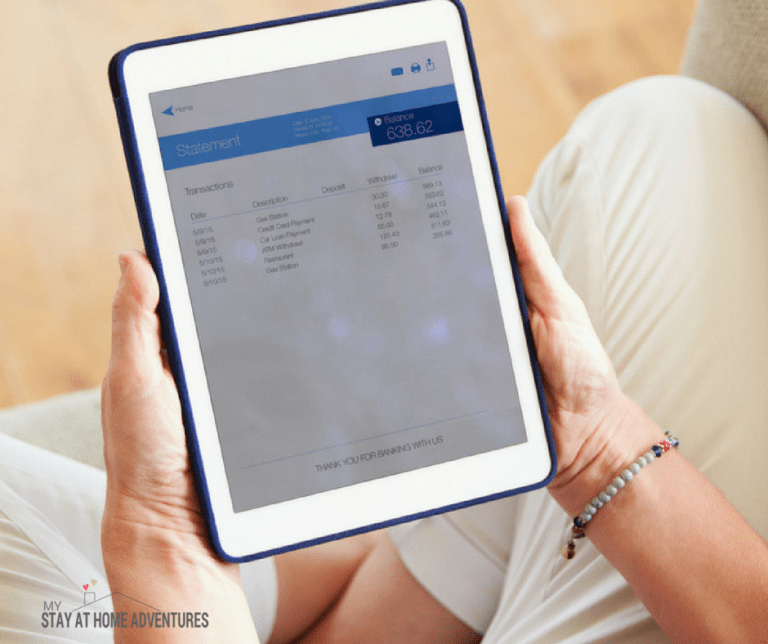
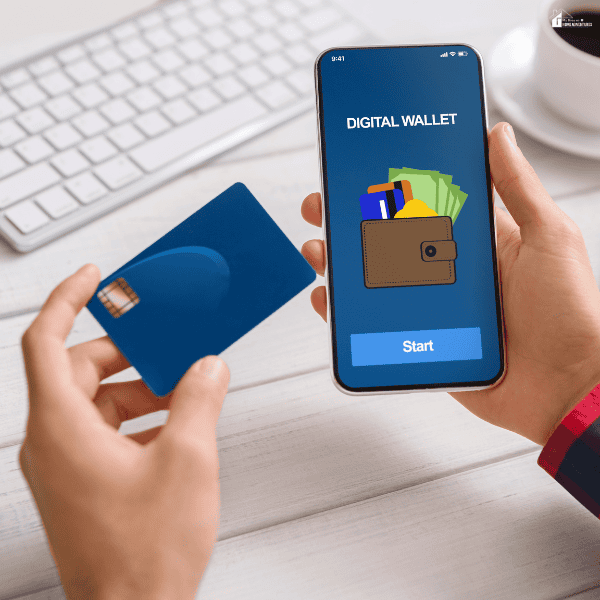
Using tools like the NinjaCard digital wallet allows household members to monitor transactions through a centralized platform. Instead of reviewing multiple accounts or paper receipts, families can access spending records in one location.
This creates a clearer picture of monthly expenses and makes budgeting more accurate.
Digital transaction histories also simplify financial reviews. Parents can quickly compare categories such as grocery spending, transportation costs, entertainment expenses, and utility payments over several months. These insights help identify areas where adjustments may improve overall financial stability.
Better visibility also supports long-term planning. When spending trends become easier to understand, households can allocate money more effectively toward savings goals, seasonal expenses, or future purchases without relying on estimates or incomplete records.
2. Simplify Household Bill Payments
Managing recurring bills can become time-consuming when due dates are spread throughout the month. Missing a payment may lead to unnecessary fees, while manually processing each bill requires additional effort.
Digital wallets streamline this process by allowing families to organize regular payments more efficiently. Many essential expenses, such as utilities, internet services, mobile plans, and streaming subscriptions, can be monitored alongside everyday transactions.
Several practical advantages include:
- Greater visibility into upcoming payment obligations,
- Faster payment processing through a single platform,
- Reduced need to switch between multiple financial applications,
- Easier tracking of completed payments for future reference.
Having a centralized payment experience also reduces confusion between family members. Everyone involved in managing household finances gains better awareness of completed transactions and upcoming responsibilities.
This level of organization supports more predictable monthly cash flow while reducing administrative work. Instead of focusing on individual payment processes, families can dedicate more attention to broader financial priorities.
3. Improve Family Budget Planning
Creating a realistic household budget requires consistent access to accurate financial information. Without current transaction data, many families rely on rough estimates that quickly become outdated.
Digital financial tools provide ongoing visibility into daily spending, making it easier to compare actual expenses with planned budgets. Categories such as groceries, transportation, healthcare, education, and household supplies become easier to monitor throughout the month.
This continuous oversight encourages informed financial decisions rather than reactive adjustments after budgets have already been exceeded. Families can recognize changing spending patterns early and respond before they affect larger financial goals.
Budget planning also becomes more collaborative. Parents can discuss spending priorities using shared financial information instead of relying on memory or individual account statements. Clear records encourage productive conversations about savings objectives, planned purchases, and upcoming expenses while supporting greater accountability across the household.
4. Support Faster Everyday Transactions
Busy households often benefit from financial tools that reduce unnecessary steps during everyday purchases. Whether paying for groceries, school supplies, transportation, or family activities, convenience plays an important role in managing daily responsibilities.
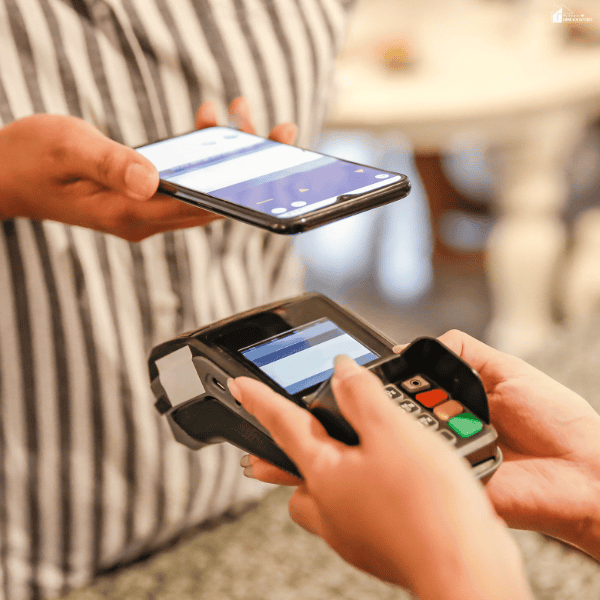
Digital wallets allow users to complete transactions quickly while maintaining the security of payment information. Instead of carrying multiple payment methods or manually entering card details for online purchases, families can complete transactions more efficiently.
The benefits extend beyond convenience. Faster payment experiences also reduce checkout delays during busy schedules while helping maintain accurate digital records for every purchase. These transaction histories serve as valuable references during monthly financial reviews or when verifying prior payments.
As digital payment acceptance continues to expand across retailers and service providers, households gain greater flexibility in managing purchases across both online and physical environments. This consistency simplifies financial management regardless of where spending takes place.
5. Build Stronger Long-Term Financial Habits
Simplifying financial management isn’t only about saving time. It also creates opportunities for families to develop healthier financial habits that support long-term stability.
Consistent transaction tracking encourages greater awareness of spending behavior. Organized payment records make it easier to review monthly progress, identify recurring expenses, and evaluate whether financial goals remain on track.
Families who regularly review financial activity often become more intentional about budgeting decisions. Small adjustments made consistently can produce meaningful improvements over time, whether the objective involves building emergency savings, preparing for education expenses, or reducing unnecessary purchases.
Digital financial tools also encourage greater confidence when managing money. Clear information supports informed decision-making while reducing uncertainty around everyday finances. As financial responsibilities evolve, having accessible, organized records allows households to adapt more comfortably without adding complexity to daily routines.
Families can also use these habits to prepare for predictable future costs, such as back-to-school shopping, holiday spending, home repairs, or medical appointments. When those expenses are reviewed in advance, the household can plan with more confidence and adjust after money has already been allocated, thanks to better monthly financial preparation.
Creating Simpler Financial Routines
Managing family finances becomes more effective when information is organized, accessible, and easy to understand.
Digital wallets simplify routine financial tasks by bringing spending, payments, and budgeting together within a single digital experience, including shared expense tracking, recurring bill reminders, savings monitoring, and clearer oversight of spending patterns across household accounts and priorities. This reduces administrative effort while improving visibility across everyday financial activities.
As households continue to adopt digital-first financial solutions, centralized money management tools help create more consistent budgeting habits and greater financial awareness.
With clearer transaction records and streamlined payment experiences, families are better equipped to make informed decisions that support both current needs and future financial goals.