Best Budget-Friendly Flooring Tips for Families
This post may contain affiliate links which might earn us money. Please read my Disclosure and Privacy policies here
You notice floor wear first in the busiest spots, by the fridge, the couch, and the back door. Sticky drips, toy wheels, and wet shoes leave marks faster than most families expect.
Before you buy, it helps to compare surfaces the way you budget groceries, by total cost and real use. Browsing Really Cheap Floors hand-scraped options can also help you price wood types side by side, without guessing.
Start With A Budget That Covers The Hidden Costs
Most flooring budgets fail because the sticker price is only one piece of the bill. You still need underlayment, trim, fasteners, transitions, and delivery, plus tools or labor.
Measure every room twice, then add five to ten percent for cuts and mistakes. Long hallways and angled closets create more waste than square rooms do.
Plan for the parts you will touch daily, like stair noses and thresholds at exterior doors. If those parts feel flimsy, the floor will look worn before the boards do.
Safety is part of “budget-friendly” because falls and trips cost time and money. The National Institute on Aging lists room-by-room steps like removing loose rugs and adding nonslip surfaces.
If you are buying in phases, start with the highest traffic room first, then match later. Keep an extra box after install, because color batches can shift between orders.
Pick Materials That Handle Kids, Pets, And Spills
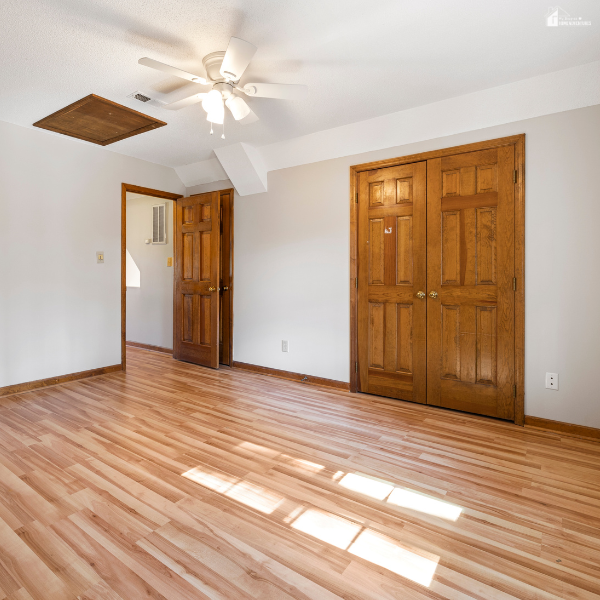
Families do better with surfaces that hide scuffs and stay steady during humidity swings. Hand-scraped hardwood can help here, since the texture can disguise small scratches.
Solid hardwood can last a long time, but it reacts more to moisture and seasonal movement. Engineered hardwood often handles basements and slab homes better, since its layers add stability.
Wood species matters more than many shoppers think, because hardness affects denting from chair legs and dropped toys. Hickory is usually harder than oak, while maple can resist wear but still shows dents in bright light.
Finish choice also affects cleaning time, especially with toddlers and pets. Matte and satin finishes tend to show fewer footprints than glossy finishes during busy weeks.
If you have a dog that sprints at dinner time, plan for entry mats and nail care, not just board thickness. Small habits, like wiping paws and using felt pads, save more than any bargain bin board.
Save Money On Prep, Installation, And Trim
Subfloor prep is where many installs go wrong, and fixing it later costs more than doing it once. Check for squeaks, soft spots, and dips before a single plank comes inside.
If you can handle simple prep, you may cut labor hours without risking the finished look. Removing old tack strips, pulling staples, and patching small holes are often weekend-friendly tasks.
For installation, match the method to the room and your skill level. Click-lock engineered boards can reduce mess, while nail-down installs may need more tools and practice.
Trim is another spot where costs creep, but you can plan it in a clean list. Count these items before checkout:
- Baseboard or quarter round lengths for each wall run
- Doorway transitions for each change in floor height
- Stair pieces if you have open risers or landings
If you keep existing baseboards, label every piece during removal so it goes back faster. Paint touch-ups after install also look cleaner than trying to paint around new boards.
Protect The Floor, So You Do Not Pay Twice
The cheapest floor is the one you do not have to replace early. A few guardrails keep the wood looking good through daily family traffic.
Create a dirt control routine at each entry, with a rough mat outside and a softer mat inside. Grit acts like sandpaper under shoes, and it slowly dulls the finish.
Cleaning matters too, especially with wood, because water left behind can stain and warp boards. Cornell Cooperative Extension recommends avoiding wet mopping and wiping spills fast with a lightly damp towel.
Set furniture rules that match family life, not showroom photos. Use felt pads, avoid dragging chairs, and place a washable runner in the snack zone.
Compare Room By Room Priorities Before You Buy
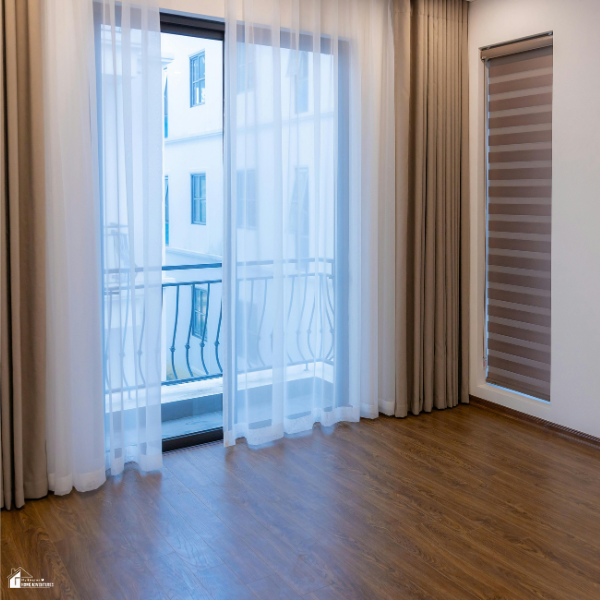
Not every space needs the same performance level, and treating the whole house as one purchase can waste money. A kitchen sees water drops and chair movement, while a bedroom mostly sees socks and light foot traffic.
Start with the rooms that drive regret, usually the entry, living area, and kitchen. If you get those right, the rest of the house can follow at a slower pace, without an obvious mismatch.
Write down the daily stressors in each room before you shop, because it keeps you from paying for features you will not use. Think about wet shoes at the door, spilled drinks by the couch, and toy bins dragged across the floor.
If you plan to replace flooring in phases, keep notes on plank width, thickness, and finish sheen. Matching later is easier when you know what you installed, and it avoids “close enough” gaps between rooms.
Use Samples And Lighting Checks To Avoid Costly Returns
A floor can look calm in a product photo and completely different in a real home. The same board may show warmer tones near a sunny window, and cooler tones under LED bulbs.
Order samples and place them where life happens, near the sink, under the dining table, and by the back door. Leave them down for a few days so you see them in morning light, evening light, and on cloudy afternoons.
Do a quick “mess test” while the samples are out. Sprinkle a little dry dirt, wipe it, then check if the texture hides small scuffs or makes dust more visible.
Also, check how the surface feels underfoot, since kids often sit and play on the floor. A texture that looks good but feels harsh can become annoying fast in family rooms.
Samples take a bit of patience, but they can save you from paying return shipping, restocking fees, and rushed second choices.
Plan Simple Upkeep That Fits A Busy Household
A floor that needs constant care is not budget-friendly, even if the upfront price is low. Your best option is a surface that stays presentable with quick routines you can keep during school weeks.
Set a weekly cleaning rhythm that matches your home, not a perfect schedule. Dry sweep or vacuum often, then use a lightly damp mop only when needed, and avoid leaving water behind.
Create a few “rules that do not feel strict” so kids can follow them. Shoes off near the door, spills wiped right away, and furniture moved with help instead of being dragged.
Add protection in the spots that always take a beating. Use washable runners in snack areas, felt pads under chairs, and a mat near pet bowls, so the same boards do not get punished every day.
When upkeep is easy, the floor lasts longer, and you keep your repair budget for the things that really need it.
Make Your Budget Last After Installation
A smart flooring choice is not only about the board you buy, but it is also about the habits you keep once it is down. Price the full project, match the material to each room, and use samples to confirm how it looks in your real lighting.
Then protect the floor with simple routines that work on busy days, not only on calm weekends. If you keep grit and water under control, the surface will age more evenly, and small marks will be less distracting.
That combination, careful planning and steady care, helps families stay within budget while still getting a floor that feels solid under daily life.