
Backyard Renovation Ideas: Securing Large Decking and Pergola Frameworks
This post may contain affiliate links which might earn us money. Please read my Disclosure and Privacy policies here
Creating a multifunctional outdoor retreat gives busy families a dedicated space for open-air dining, quiet afternoon reading, and energetic weekend play.
From freestanding cedar pergolas that filter the summer sun to multi-level composite decks built to support heavy patio lounge suites, home-based recreational structures add immense practical value to daily life.
Transforming these ambitious backyard concepts into secure, permanent installations requires building with heavy-duty structural lag screws, which deliver the immense clamping force and certified shear strength necessary to keep large framing timbers firmly unified through all seasons.
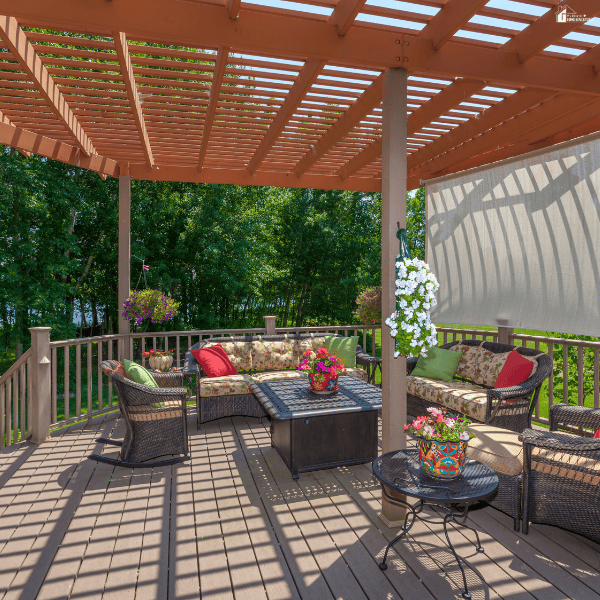
Constructing large outdoor timber frameworks involves managing significant structural loads that fluctuate continuously with daily use and shifting weather patterns.
A dynamic outdoor environment must withstand the weight of moving crowds, heavy outdoor planters, accumulating winter snow, and powerful horizontal wind gusts that pull against overhead shade canopies.
Traditional assembly techniques relied heavily on bulky through-bolts that demanded extensive through-hole drilling and wrenching in tight, awkward framing bays.
Modern structural wood screws streamline this heavy framing process by featuring specialized cutting tips and knurled thread shanks that drive directly into massive posts and ledger boards using standard impact tools.
Understanding the engineering mechanics behind exterior timber joints ensures that your home renovation projects remain safe sanctuaries for family activities year after year.
Load Dynamics in Pergolas, Arbors, and Deck Platforms
Every exterior carpentry project is governed by load paths, which dictate how gravitational weight and lateral forces travel safely from overhead timbers down into concrete foundation piers.
In an overhead shade structure like a pergola, horizontal support purlins and overhead rafters transfer their dead weight directly to the vertical support posts.
Without robust mechanical anchoring at each intersection, seasonal wind cycles produce continuous racking forces that twist joints out of square, causing the entire frame to lean and loosen over time.
Specifying engineered structural screws at critical timber connections establishes rigid moment-resisting joints that resist both downward weight and upward wind suction.
The deep thread profiles of modern structural hardware bite securely into the dense annual rings of framing lumber, generating substantial withdrawal resistance that keeps rafters flat against top support beams.
Unlike standard nails or lightweight multi-purpose screws, which can easily pull out or shear off when exposed to lateral vibration and timber shrinkage, structural fasteners flex slightly under sudden shock loads without snapping cleanly.
This ductile performance is essential for elevated play forts, climbing frames, and high deck railings where human safety is directly dependent on joint integrity.
Additionally, wide built-in washer heads distribute high clamping torque over a broad surface area, drawing dense framing members into solid contact without crushing delicate outer wood grain.
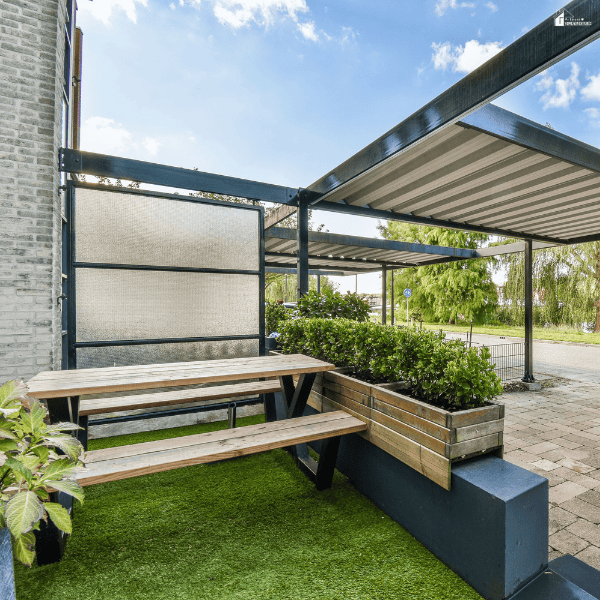
Designing Engaging Backyard Spaces for Active Households
A sturdy deck or pergola can turn an unused corner of the garden into an outdoor living area. First, think about how your family will use the space.
For example, add built-in benches along the deck or storage boxes for sports gear. You could also set up a dining area under a pergola with string lights.
Finally, plan clear paths between each area. Set the seating near the play area so adults can relax while keeping an eye on the kids.
Focusing on thoughtful craftsmanship elevates backyard builds from simple wood platforms into handcrafted family gathering spaces that invite daily enjoyment.
When building outdoor furniture, planter boxes, or wooden privacy screens, use trim to hide structural fasteners. This gives the project a clean, uncluttered finish.
Where fastener heads remain exposed, set them flush with the wood. That way, the heads are less likely to snag clothing or toys or scrape hands during play.
For assembly, consider fasteners with a star-shaped Torx drive. The matching bit grips the screw head securely. As a result, it’s less likely to slip and scratch the wood.
Weather Exposure, Timber Chemistry, and Maintenance
Rain, sunlight, and changes in humidity can cause outdoor wood to expand and contract. Exposure to moisture can also corrode metal hardware.
Outdoor framing often uses pressure-treated lumber with copper-based preservatives. These preservatives help protect the wood from insects and fungal decay. However, they can also speed up corrosion in standard zinc-plated hardware. Over time, corrosion can weaken the parts of the screws hidden inside the wood.
Protecting your backyard investments requires using structural fasteners finished with specialized multi-coat protective barriers or selecting marine-grade stainless hardware.
High-grade coated fasteners use ceramic or multilayer polymer finishes. These coatings protect the steel underneath from moisture and chemical damage.
When attaching a deck ledger to the house, apply self-adhering flashing tape over the ledger’s top edge. The tape helps keep rainwater from seeping into fastener holes. In turn, keeping the surrounding wood dry helps the fasteners hold over time.
Choose suitable fasteners when you frame the deck. Then inspect the structural connections regularly for signs of corrosion, loose fasteners, or damaged wood.