How Does Mold Remediation Work in Homes?
This post may contain affiliate links which might earn us money. Please read my Disclosure and Privacy policies here
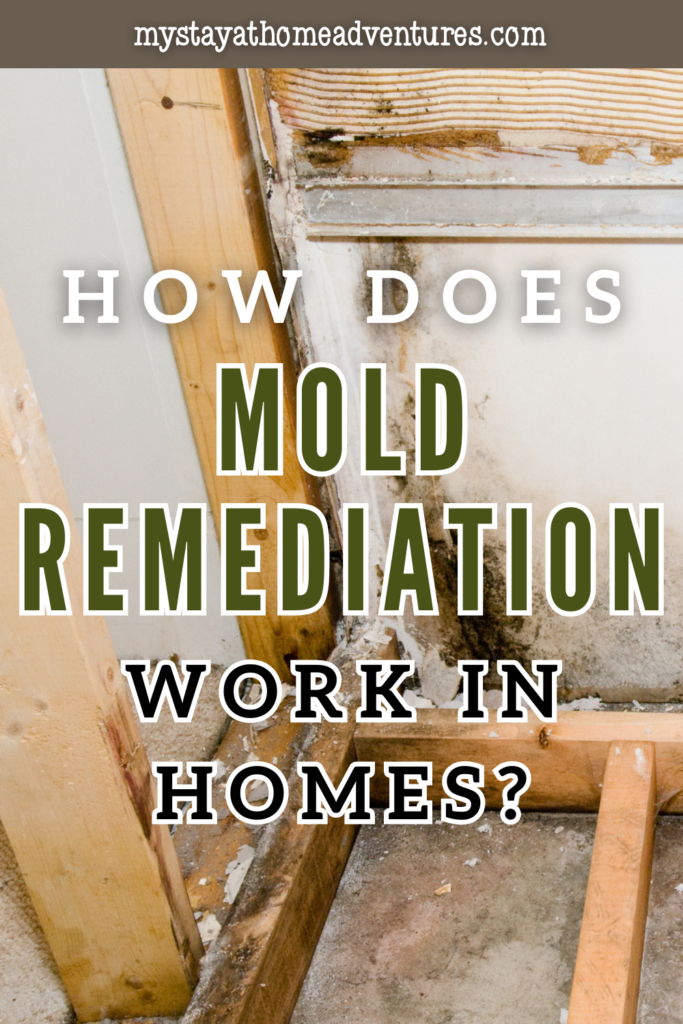
If you recently noticed mold in your home, you’re not alone in this; many homeowners deal with this problem each year. Mold grows when moisture builds up, and it can affect walls, ceilings, basements, and other hidden areas. Mold remediation is the professional process used to safely remove mold and prevent it from coming back.
In this article, we will explain what mold remediation involves, how the process works, and what you can do to protect your home and family.
What Is Mold Remediation?
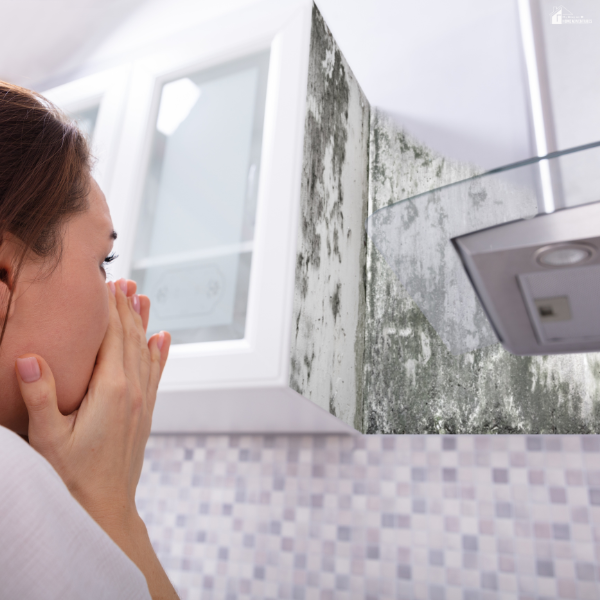
Mold remediation is the process of identifying, removing, and preventing mold growth inside a home. The goal is not to remove every mold spore but to reduce mold to safe levels. Mold spores are always present in the air, both indoors and outdoors. Problems happen when moisture allows them to grow.
Unlike simple mold cleaning, remediation focuses on the cause of mold growth. It addresses water damage, humidity, and hidden mold areas. This approach helps prevent mold from returning. It also protects the structure of your home.
What Causes Mold Growth in Homes?
Mold grows when moisture is present for long periods. Common causes include leaks, flooding, and high humidity. Bathrooms, basements, and attics are often affected. Poor ventilation can make the problem worse.
Water damage from storms or plumbing issues is another major cause. Even small leaks behind walls can lead to mold growth. Homes with poor drainage or roof damage are also at higher risk. Fixing moisture problems is key to stopping mold.
Step-by-Step Mold Remediation Process in Homes
Mold remediation follows a clear process to ensure safety and effectiveness. Each step plays an important role in stopping mold from spreading. Skipping steps can lead to recurring mold problems. Professional remediation teams follow strict guidelines.
The process begins with inspection and ends with repairs and prevention. Homeowners should understand each step to know what to expect. This also helps them make informed decisions. Proper remediation protects both health and property.
Step 1: Mold Inspection and Assessment
The first step is a full inspection of the home. Professionals look for visible mold and signs of moisture. They may check walls, ceilings, crawl spaces, and HVAC systems. Moisture meters are often used to find hidden problems.
In some cases, air or surface testing may be done. Testing helps confirm the presence of mold and its spread. It also helps determine how serious the problem is. This step guides the rest of the remediation process.
Step 2: Containment of Affected Areas
After professionals identify mold, they seal off the affected area. This step prevents mold spores from spreading to clean parts of the home. They use plastic sheets and barriers to contain the space. They may also cover doors and vents.
Negative air pressure machines help control airflow. These machines pull air into the work area instead of letting it escape. This keeps spores contained during cleanup. Containment is critical for safety.
Step 3: Air Filtration and Safety Measures
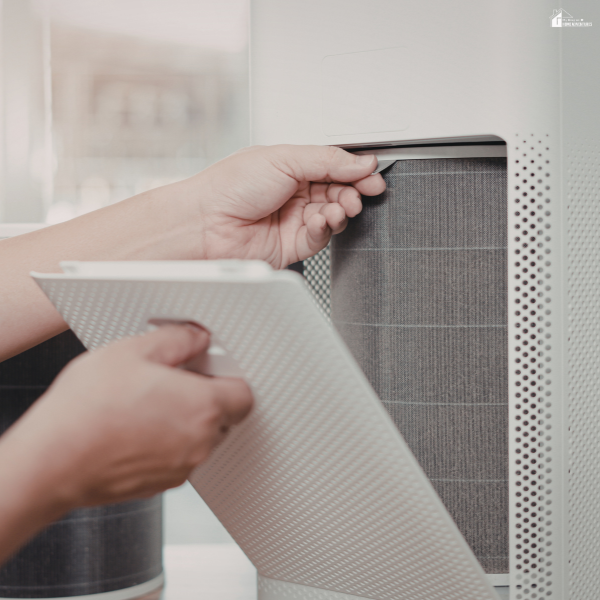
Air filtration is used throughout the remediation process. HEPA air scrubbers remove mold spores from the air. These filters capture tiny particles that regular filters cannot. This improves indoor air quality.
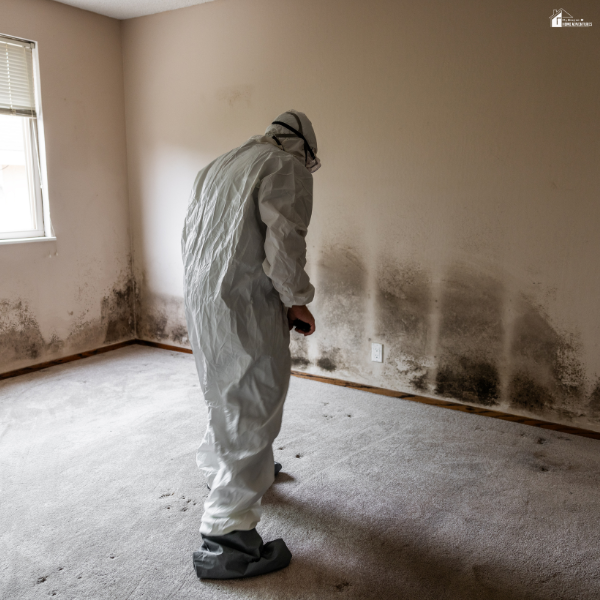
Workers also wear protective gear during cleanup. This includes masks, gloves, and protective clothing. Safety measures protect both workers and homeowners. Clean air helps reduce health risks.
Step 4: Mold Removal and Cleaning
Mold removal depends on the type of surface affected. Porous materials like drywall, insulation, and carpet often need to be removed. These materials can trap mold deep inside. Non-porous surfaces can usually be cleaned.
Cleaning involves special solutions designed to kill mold. Surfaces are scrubbed and treated to prevent regrowth. Antimicrobial products may be applied. This step removes visible mold and hidden contamination.
Step 5: Drying and Moisture Control
After mold removal, drying the area is essential. Dehumidifiers and air movers are used to remove moisture. Wet materials must be fully dried before repairs begin. Moisture control stops mold from returning.
Professionals also identify the source of water. This may include fixing leaks or improving ventilation. Without moisture control, mold can grow again quickly. Dry conditions are key to long-term success.
Step 6: Restoration and Repairs
The final step is restoring the home. Removed materials are replaced, such as drywall or flooring. Minor construction work may be needed. The goal is to return the home to its original condition.
Painting and finishing may also be part of this step. All repairs should meet safety standards. Once complete, the home should be clean and mold-free. Restoration completes the remediation process.
How Long Does Mold Remediation Take?
The timeline for mold remediation varies. Small mold problems may take one to three days. Larger or hidden mold issues can take a week or more. The size of the affected area plays a big role.
Other factors include the type of materials involved. Drying time also affects how long the process takes. Severe water damage can extend the timeline. A professional inspection provides the best estimate.
Is Mold Remediation Safe for Homeowners?
Professional mold remediation is designed to be safe. Containment and air filtration reduce exposure to mold spores. In many cases, homeowners can stay in the home. However, this depends on the severity of the mold.
For large or toxic mold issues, temporary relocation may be recommended. Children, elderly individuals, and those with allergies may be more sensitive. Safety is always the top priority. Professionals will advise homeowners on best practices.
Can You Do Mold Remediation Yourself?
Small surface mold can sometimes be cleaned by homeowners. This includes mold on tile or non-porous surfaces. However, DIY methods have limits. Hidden mold and large areas are hard to handle safely.
Improper cleaning can spread mold spores. Household cleaners may not fully remove mold roots. Without fixing moisture issues, mold will return. Professional services like Spartan Restoration’s mold remediation are safer for serious problems.
How to Prevent Mold from Coming Back
Preventing mold starts with moisture control. Fix leaks as soon as they appear. Use exhaust fans in bathrooms and kitchens. Keep humidity levels low inside the home.
Regular inspections also help catch problems early. Clean gutters and maintain proper drainage. Check basements and crawl spaces for moisture. Prevention saves time and money in the long run.
Conclusion
Mold remediation is an important process for maintaining a healthy home. It removes mold, improves air quality, and prevents future growth. Addressing the root cause is key to long-term results. Quick action can reduce damage and health risks.
Understanding how mold remediation works helps homeowners make better decisions. Professional remediation ensures the job is done correctly. A clean, dry home is safer and more comfortable. Investing in proper remediation protects your property and well-being.