10 Backyard Maintenance Tasks You Should Never Skip (And How to Automate Them)
This post may contain affiliate links which might earn us money. Please read my Disclosure and Privacy policies here
Maintaining an outdoor living space takes consistent effort, but doing everything by hand every single weekend can quickly steal your free time. Homeowners dedicate about 70 hours annually to lawn maintenance, turning what should be a peaceful retreat into a second job.
The secret to keeping a vibrant, tidy yard without sacrificing your Saturdays is shifting from manual labor to smart automation.
Here are 10 essential yard tasks you should never ignore, along with practical steps to automate them.
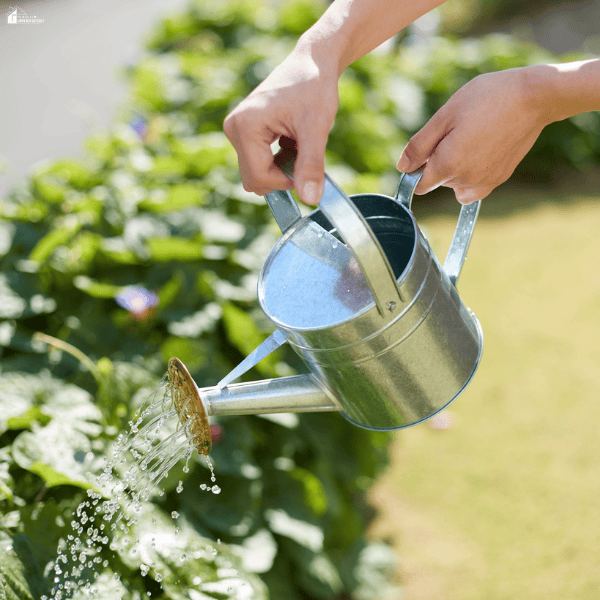
1. Watering the Lawn and Garden Beds
Inconsistent watering can damage your lawn. For example, under-watering leaves patches of dying and yellowing grass, while over-watering can lead to root rot and fungal growth. In addition, using hoses and sprinklers that need moving every 20 minutes makes lawn care time-consuming.
How to Automate It
To simplify watering, replace ordinary hose sprinklers with a smart irrigation system that monitors the weather. For example, compatible models from Rachio, Orbit B-hyve, and Rain Bird connect to local forecasts through Wi-Fi. As a result, they can adjust watering schedules based on expected rainfall and temperature changes.
2. Keeping the Swimming Pool Clear and Clean
Backyard pools accumulate debris, fallen leaves, pollen, and sunken dust constantly. Failure to clean a pool causes blocked filtration pipes, imbalance in the chemistry, and hard-to-control algae growth, which requires many days of shocking to clear up.
Skimming surface leaves with a pole net is easy enough, but vacuuming the floor and scrubbing scum lines by hand takes hours of bent-over scrubbing. Finding a less labor-intensive approach to routine pool care keeps your water crystal clear without spending your Saturdays maneuvering a long vacuum hose.
How to Automate It
Robotic pool cleaners, such as those made by Aiper, are not part of your primary pool filtration system. Cordless and autonomous, they are powered by internal motors, sensors, and rechargeable batteries and clean your pool's floor, walls, and waterline automatically.
Just drop the unit into the water and let it complete its cycle. Once done, lift it out with a retrieval hook, empty the basket, and put it on its charger.
3. Mowing and Trimming Turf Grass
Grass grows quickly during peak months, so missing a week or two of mowing can leave your lawn untidy. In addition, tall blades can shelter pests and block sunlight from shorter growth. Yet keeping up with mowing can feel exhausting, especially when you push a heavy mower in the summer heat.
How to Automate It
To reduce mowing time, consider a robotic lawnmower from brands such as Husqvarna, Segway, or Mammotion. Once set up, these mowers can follow a regular cutting schedule with minimal manual effort.
Unlike conventional mowers used less often, they trim small amounts of grass frequently, helping keep your lawn tidy.
These micro-clippings drop directly back into the soil as natural mulch, fertilizing the root system naturally.

4. Feeding Lawn Nutrients and Soil Conditioners
Grass needs balanced nitrogen, phosphorus, and potassium to maintain thick turf that resists weed invasion. Spreading fertilizer manually with a push spreader often leads to uneven stripes—leaving dark green patches right next to pale, undernourished turf, or worse, burning the grass with over-application.
How to Automate It
You can automate lawn feeding using two reliable methods:
- In-Line Fertigation Systems: Attach the liquid fertilizer injector to your automatic irrigation system directly. With every irrigation cycle that is initiated, there will be an automatic micro-dosing of nutrients right into the roots.
- Subscription Lawn Care Plans: Companies like Sunday analyze your local soil composition and climate data using satellite imagery to ship pre-measured nutrient pouches directly to your door right when your lawn needs them. You simply hook the pouch to a garden hose and spray.
5. Cleaning Out Clogged Rain Gutters
Leaves, twigs, and pine needles can quickly clog roof gutters. As a result, rainwater spills over the edges instead of draining away. This overflow can then pool around your home's foundation, erode landscaping beds, and damage fascia boards.
How to Automate It
Installing stainless steel micro-mesh gutter guards creates a barrier that helps keep debris out. Rainwater passes through the mesh and flows toward the downspouts, while leaves and twigs stay on top.
Although gutter guards do not automate cleaning, they can reduce debris buildup and maintenance. However, you should still check them regularly and remove any material that collects on the surface.
6. Managing Outdoor Lighting Schedules
Dark yards pose security risks because they have no illumination for pathways during nighttime. Keeping outdoor lighting switched on at all times is a waste of energy and makes lights burn out quickly.
How to Automate It
Upgrade standard outdoor fixtures with smart transformers, smart plugs, or smart LED bulbs from brands like Philips Hue, Lutron, or Ring.
If your system supports it, select “Astronomical Dusk-to-Dawn” mode in the smartphone app. Unlike fixed timers, these controls follow local sunrise and sunset times. As a result, your lights turn on at dusk and off at dawn, with schedules that adjust automatically throughout the year.
7. Keeping Pests Away from Living Areas
Mosquitoes, fleas, and ticks take all joy out of your outdoor leisure activities. The process of spraying insecticides on yourself daily becomes tedious, and the job of spraying your lawn with a pump becomes time-consuming and provides only short-term benefits.
How to Automate It
Install automated misting systems along fence lines or perimeter landscaping beds. These systems use thin tubing attached to high-pressure nozzles connected to a central reservoir.
Program them to spray a fine, botanical-based mist for 30 seconds at dawn and dusk when pests are most active and beneficial pollinators like bees are sleeping.

8. Sweeping Patio Dust and Walkway Debris
Leaves, grass trimmings, and dirt accumulate on hard-surface areas like cement patios, wood decks, and brick paths. Using a broom to sweep takes effort, and gas-powered leaf blowers are loud and produce dust clouds in the air.
How to Automate It
Outdoor robotic sweepers and leaf vacuums clean hard outdoor surfaces using the same logic indoor robot vacuums use inside your home.
Equipped with heavy-duty rubber brushes, suction motors, and outdoor wheels, these units navigate across decks and patios on a preset daily schedule. They collect dry leaves, sand, and dirt before debris can be tracked inside your home.
9. Composting Yard Waste and Food Scraps
Composting of yard trimmings and kitchen leftovers results in the creation of rich topsoil in the garden, but conventional compost bins require constant turning by hand with a pitchfork in order to remain aerated. Without such aeration, the composting process stops and makes your yard smell like a landfill.
How to Automate It
Switch to using insulated gear-driven compost tumblers or automatic composters outdoors, such as the Subpod. Insulated twin-chamber tumblers conserve heat and include fins inside the chambers for mixing the compost with one turn of the handle.
For an even simpler setup, continuous worm-composting (vermicomposting) systems let worms break down waste aerodynamically underground without requiring manual pitchfork work.
10. Monitoring Soil Health and Plant Conditions
Guessing when your soil needs water, sun, or fertilizer often leads to plant stress. Checking individual garden beds by digging around with your fingers or using manual test strips takes time and gives imprecise readings.
How to Automate It
Place wireless, solar-powered soil sensors (such as LinkTap or Tuya Smart Soil Meters) directly into your lawn and garden beds.
These sensors measure soil moisture, temperature, ambient light levels, and nutrient concentration in real time, pushing data straight to your smartphone. You can set alert notifications to let you know precisely when plants need attention, eliminating guesswork entirely.
Simple Automation Upgrades for Every Budget
| Task | Manual Way | Automated Upgrade | Effort Saved |
| Lawn Watering | Moving hose sprinklers | Smart Wi-Fi irrigation controller | High |
| Pool Maintenance | Manual vacuuming & netting | Cordless robotic pool cleaner | High |
| Mowing | Pushing a walk-behind mower | Autonomous robot mower | High |
| Lawn Feeding | Pushing a wheel spreader | In-line fertigation system | Medium |
| Gutter Cleaning | Climbing ladders with a scoop | Stainless steel micro-mesh guards | Medium |
| Yard Lighting | Flipping manual wall switches | Smart dusk-to-dawn astronomical plugs | Low |
| Pest Control | Hand-spraying pump canisters | Automated perimeter misting lines | Medium |
| Patio Cleaning | Sweeping with a push broom | Outdoor hard-surface robot vacuum | Low |
| Composting | Pitchfork pile turning | Insulated dual-chamber tumbler | Medium |
| Soil Care | Digging manual test spots | Wireless solar soil moisture sensors | Low |
Getting Started with Yard Automation
The good news is that you don’t have to redesign your whole yard all at once. Begin by automating the chores that require the bulk of your weekend time: mowing, watering, or taking care of your swimming pool.