Common Problems That Can Occur With Soffits
This post may contain affiliate links which might earn us money. Please read my Disclosure and Privacy policies here
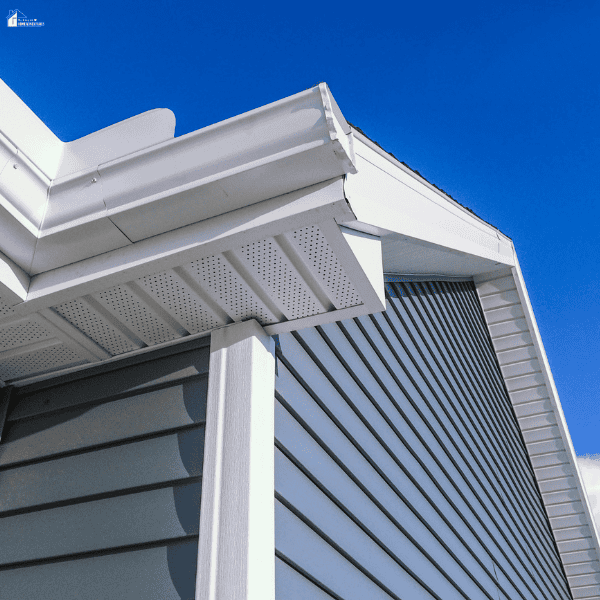
Soffits are an important part of the protection system that keeps your roof and your home from becoming damaged by mold, rot, and pests.
Many people don’t even know that their home has soffits in it, which can lead to problems with this critical part of a home’s ventilation system. Being aware of the common problems that can plague soffits can help you to avoid costly home repairs.
In this guide we will discuss common problems that can happen due to issues with the soffits along your roofline. These problems can happen even in new homes, but they are far more likely in older homes.
Maintaining the well-being of your roof means you need to understand how soffits can fail so that you can arrange annual upkeep and care for this part of your home and so that you can be sure that you notice when there are issues with your soffits.
Common Problems That Can Occur With Your Home’s Soffits
1. Blocked Soffit Vents
Many people wonder how to check for blocked soffit vents. This is actually a really simple process that only takes a few minutes in most cases. These vents can be hard to see when you don’t know what you are looking for.
However, once you recognize them, it’s easy to notice when they are blocked. Blocked soffits can lead to trapped heat and humidity in your home’s attic spaces, and this can cause all kinds of issues.
Blocked soffit vents can often be spotted if you climb into the attic and look at them from the interior spaces in your home. Daylight should be visible in your attic, so if you notice spaces where the light is blocked by insulation, grime, or other debris, this needs to be cleared.
You can clear vents from the outside or the inside, depending on the design of your attic and roofline.
Dusty screens, insulation that has shifted, or things like birds’ or bees’ nests all need to be cleared out of soffit vents to protect your home from mold, mildew, and other damage. Since your home “breathes” with the help of its soffits, soffit vents have to be clear to allow your home to transfer heat, air, and moisture correctly.
2. Water Leaks
Blocked gutters or issues with the roof itself can lead to soffits that allow water into your home. Properly maintained and installed soffits will not allow water to invade your attic, but soffits can sometimes fail, leading to water incursion.
Spots in the ceiling, musty smells, or mold in the walls can all be linked with soffits that are letting water into your living spaces.
If you cannot access your roof to check on water leaks, be sure that you hire someone to come and take a look at this possible problem right away. Water leaks can cause thousands of dollars of damage in short order if they are not attended to.
3. Pest Intrusion
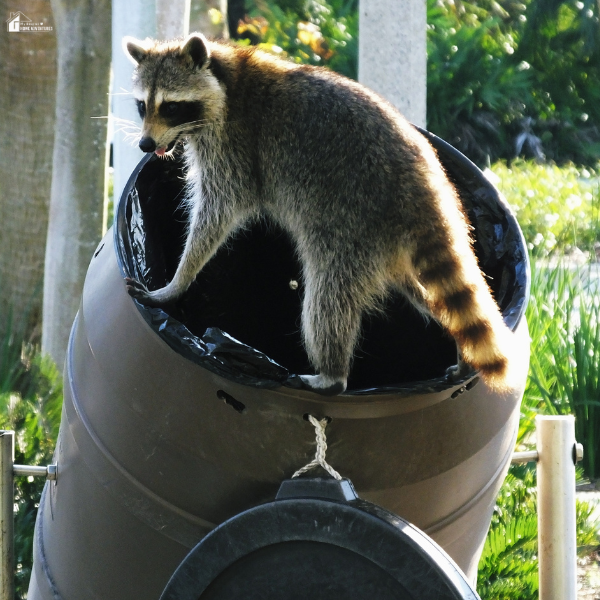
Soffits can provide an easy entry point for many types of pests. Rodents and insects are common invaders. However, birds can also enter through damaged areas. Gaps, cracks, and damaged screens may allow pests to get inside your home.
Pest activity can be difficult to notice at first. This is especially true if your attic is not used as a living space. As a result, pests may remain there for some time before you notice a problem.
Remove pests as soon as possible to help prevent serious damage. Pay attention to buzzing, scratching, or other unusual sounds coming from the attic. These noises may indicate that pests entered through a damaged soffit.
Fixing the problem can become costly if the damage is extensive. You may need to hire an exterminator to remove the pests. In addition, a construction professional may need to repair or replace the damaged soffit.
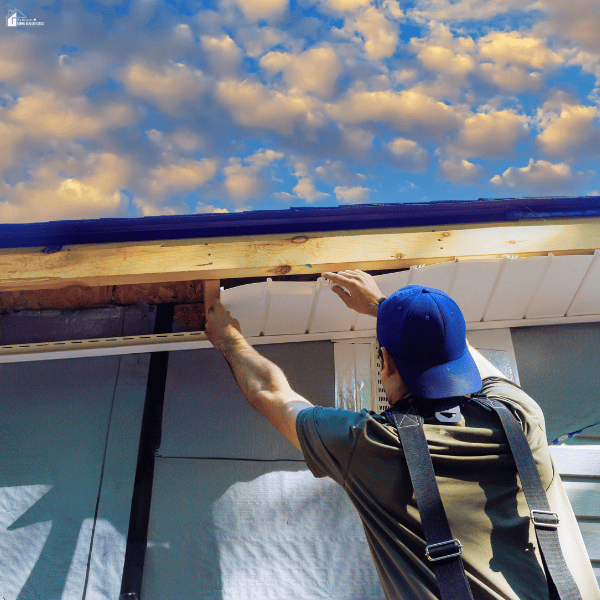
4. Sagging Panels or Roof Sections
When soffits fail, pests, water, and other kinds of damage can lead to secondary issues with the surrounding roofline, siding, and support structures.
Issues with a soffit can lead to all kinds of other major problems surrounding it. This is because moisture, dry rot, and even pests can invade the spaces around a damaged soffit with ease.
If you notice that your roof doesn’t look quite right or that there are boards that seem to be swollen or cracked around a soffit, it’s time to have someone take a look at that section of your roof and the supporting structures under it.
In some cases, you can easily check out this part of the roof with a small ladder. In others, you might need to hire a professional to come take a look. Be sure that you don’t start trying to diagnose or fix anything to do with your roof unless you are truly comfortable with the repair process.
In many cases, having a roofing or ventilation expert come and take a look at your soffit issue is the right choice when you think that you have noticed this kind of damage to your home.
Soffits Can Fail, and They Can Be the Entry Point for Moisture, Pests, and Mold
It is important to know what soffits are and what function they serve in a home.
Soffits allow heat and humidity to escape from your attic. They also help protect the structures that support your roof. Because of these important roles, routine soffit inspections are essential for any home.
Understanding why soffits fail can help you protect your home. Damaged soffits can affect ventilation and may lead to structural problems. Knowing the warning signs allows you to address problems before they become more serious.
Check your soffits regularly for signs of damage. You can also ask a ventilation professional to inspect them. Catching soffit problems early can help prevent expensive repairs later.