Low-Upkeep Backyard Features For Busy Homeowners
This post may contain affiliate links which might earn us money. Please read my Disclosure and Privacy policies here
The vast majority of backyards require far more time than owners anticipate. If you plan to escape to your yard, be mindful: between mowing, watering, weeding and seasonal maintenance, a place intended for relaxation can begin to feel like a second job.
The good news is small, careful changes do work. The following are seven fast trimming exterior features divided by classification to help hectic property owners go on the one that counts most.
Backyard Features That Cut Upkeep Fast
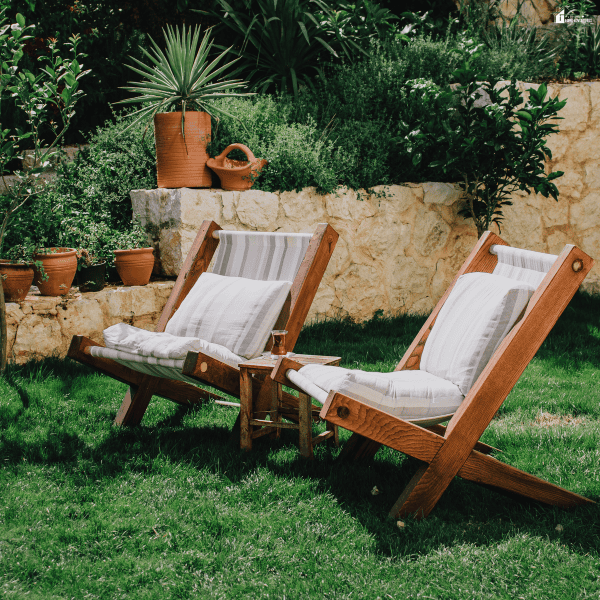
The features with the biggest time-saving payoff tend to fall into a few clear categories: replacing thirsty lawn, choosing resilient plants, and adding built elements that do the work for you. Combined, they solve some of the biggest contributors to the endless cycle of effort you might experience in a typical backyard.
Replace Lawn with Less Thirsty Ground Cover
Grass is usually the largest maintenance burden in a backyard. Even a partial replacement can save hours a week.
- Substitute grass with ground cover plants, such as clover or creeping thyme
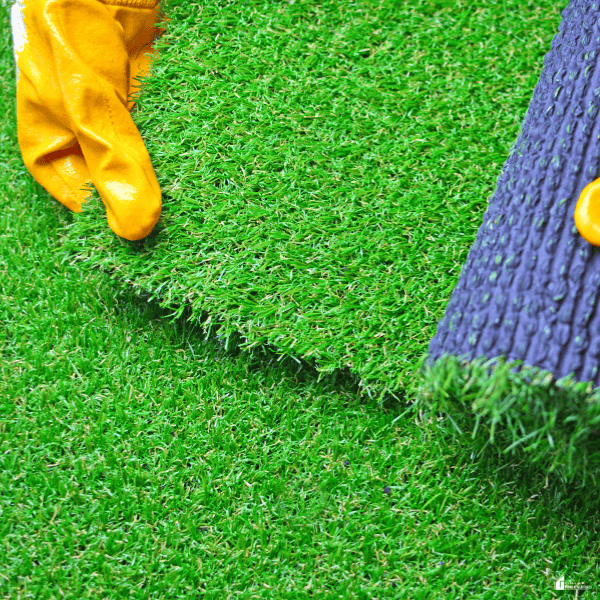
- Install artificial grass for a neat appearance and no mowing needed
- Lay down gravel tracks, so there is less grass and less mud
Use Plants That Stand Up Well Under Neglect
Selecting plants that need less care shapes how much maintenance a yard really requires. The first step is to root out plants that are local to you, taking away a lot of the guesswork and toil.
- Select native plants adapted to your regional climate
- Plant drought resistant plants and succulents, species that can survive with little watering
- Perennials that come back every year without needing to be replanted
Fewer Chores During the Week with Built Elements
Structural additions can silently remove a few of the most repetitive functions of your backyard. They are worth doing as early as possible since their benefits increase over time.
- Increase your patio and other hardscaping to cover or replace high-maintenance turf areas
- Add a thick mulch layer in and around beds to control weeds and conserve water
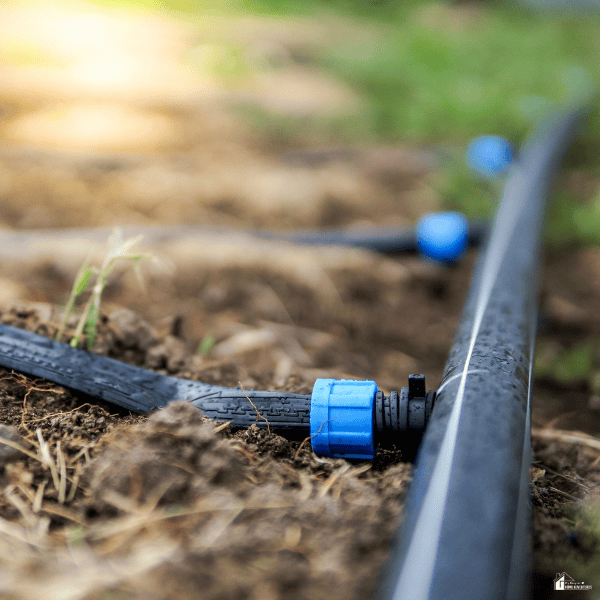
- Install automated drip irrigation or a smart irrigation system to water your plants without ever turning on a tap or dragging out the hose again
Choose Plants That Do Most of the Work
Maintenance is almost determined by plant choice before anything has even been installed. Those mismatched with their environment require constant assistance; the well-matched ones largely take care of themselves. It is a topic worthy of taking note in each section that follows.
Construction Based on Climate-Fit, Low-Water Planting
A prime example of this principle would be with native plants. They are adapted to local conditions, allowing them to adjust to the weather patterns, soil types and seasonal temperature changes without regular maintenance, which translates into far less watering over time.
Drought-tolerant plants kind of work on the same principle. Succulents are a drought resistant type of plant that usually retains water in the leaves and can survive through dry spells that would normally kill most garden plants.
In regions with less rain, it translates into xeriscaping: designing the garden from a water efficiency standpoint within broader landscape planning rather than plant specific.
Pick a Simple Plant Palette That Lasts All Year
Beyond climate fit, the number and variety of plant types in a garden directly affects how much pruning, mulching, and monitoring it demands. It is much easier to manage a palette of just four to six types of plants than to do so with a mixed collection with potentially conflicting needs.
Here perennials form a strong base. They come back year after year without having to be replanted, eliminating one of the more tedious tasks that must be done in most gardens. Ornamental grasses and hardy evergreens provide structure and texture that carries through winter, so the garden feels purposeful even in the off season.
With lavender, you get a plant that grows well in sunny spots and with as little care as possible. Hostas are great fillers that do well under shade. As the name suggests, Russian sage is a late-season bloomer that does very well under poor soil conditions and will not complain.
You may find that pairing plants like this by site requirements helps keep the entire bed easier to manage, for more simple garden ideas that take care of themselves.
Reduce Mowing with Smarter Ground Surfaces
If you want to save time, reducing lawn usually has the biggest single impact of any alteration you can make in your backyard. Replacing part of the traditional turf with an easier surface can mean not putting in hours every week over a full growing season.
Where Ground Covers Beat Traditional Turf
A regular lawn requires something weekly: mowing, edging, feeding and watering, season to season. But lawn alternatives are a great way to eliminate that cycle by eliminating grass in the areas of your yard where it creates the most work.
The most logical place to start is with ground covers. Plants like creeping thyme, clover, and ajuga take care of the area by creeping along the soil with minimal or no mowing needed, and when established provide reasonable suppression against weeds.
They are especially effective on slopes, under trees and in narrow strips where mowing is impractical.
Ornamental grasses do the same in wider open spaces. They grow in clumps that need just one cut back each year, keep their shape throughout much of the growing season and can survive even inhospitable soil conditions that would put a standard lawn under stress.
When Artificial Turf or Gravel Makes Sense
The most obvious benefit to artificial turf is the absence of mowing. It is great in confined spaces such as side yards, play zones or courtyard areas. You still need to bear in mind realistic expectations: turf does trap litter, can get hot under direct sun and will require an occasional rinse as well as a brushing to stay looking good.
Gravel paths and gravel-filled beds are the more affordable option where drainage is a concern. A well-cared-for gravel space with landscape fabric below handles drainage, weed control and almost all regular-care efforts other than occasional top-ups.
Both are best for replacing a clearly defined area of the lawn rather than all at once.
Use Hardscaping That Stays Attractive Longer
Every square foot of planted ground is an additional square foot that requires to be watered, weeded and tended throughout the season.
Because it replaces that planted space with surfaces that maintain their looks with a fraction of the maintenance effort, hardscaping is often one of the most transformative and time-saving changes a busy homeowner can make.
Covered forms take the principle even further: a protected terrace or lounge area secured from the elements is less inclined to weathering of the surfaces and furniture, while providers like Carports Hawaii offer overhead additions that fit right into a low-maintenance hardscape plan.
Prioritize Patios, Paths, and Defined Zones
Patios serve not just to create a sitting place. They eliminate turf or bed space that otherwise requires weekly maintenance, and they help make the yard more accessible and functional during the season.
Gravel paths play a similar role in between the areas where plants are grown. An edged path with a suppressive layer at the base to minimise weed growth takes foot traffic beautifully, drains very well and requires nothing more than top dressing every so often.
Defined areas, whether using furniture for seating or dining or other types of construction to create a storage zone, help clarify the use of the yard. As soon as each area has a well-defined border, upkeep is more foreseeable and smoother to complete.
Choose Materials That Hold Up with Less Repair
What works on a hardscape surface over the years depends on your choice of materials. Concrete, natural stone and composite pavers all behave differently when it comes to cracking, fading and weed growth on the joints.
Because of this, pavers that are larger and nearly jointless present less opportunity for weeds to become established. Permeable choices also help drainage on sites with water-collecting soils, which minimizes settling as well as repairs down the line.
Selecting the appropriate material up-front is one of the easiest ways to avoid compounding upkeep.
Make Small Yards Work with Vertical Features
Much can be said for building up rather than building out, especially where backyard space is compact. Trellises, wall-mounted planters and privacy screens can bring green life and shape without the need for expanding ground-level beds that require regular mulching and edging.
A trellis with a climbing plant covers a large area of vertical space but with little footprint. Wall planters condense foliage into a single area instead of letting it spill across the yard, ideal if you are creating a relaxing backyard space in cramped quarters.
These vertical components create the same visual effect as an entire garden bed will provide, but with far less ongoing maintenance.
Automate Watering and Stop Problems Early
One of the best ways to cut back on repetitive work in your yard is better management of water. A surprising number of the problems which make low-maintenance landscaping feel like hard work can be prevented with appropriate watering: getting the right amount of water to the right places, and moving away excess water.
Why Drip Irrigation Saves Time and Water
One of the easiest maintenance tasks to skip entirely is manual watering. Drip irrigation supplies water directly to the roots of plants at a controlled rate. This minimizes evaporation, prevents overwatering, and eliminates the hours spent carrying a hose around your garden between watering sessions.
Drip systems can save much more water than conventional sprinklers according to EPA microirrigation data. The two in combination are particularly effective when paired with drought-tolerant plants: those that need less water to begin with get only what they require, as required.
Smart irrigation is another step up where schedules are adjusted according to weather. A system that omits a cycle following rainfall eliminates the type of overwatering that puts plants under pressure and wastes water without any homeowner input.
Plan Drainage Before Low-Maintenance Features Fail
An undetected lack of drainage damages elements designed to create a more effortless experience. When water has nowhere to go, mulch beds shift and wash out. Low spots where water pools develop ruts and weed pressure on gravel paths.
Hardscaping such as patios can become uneven where soil beneath gradually erodes as it absorbs water over several years.
Most of this won't develop into a problem as long as easy grading (sloping the yard away from structures and planted areas) takes care of it. Redirecting runoff to a planted border or gravel channel is typically enough to prevent the repeated repairs that make low-maintenance landscaping feel anything but.
Water management works in both directions: ensuring the right amount comes in, and gets out reliably.
Frequently Asked Questions
Which backyard surface type is easiest to care for?
Gravel and hardscaping consistently rank among the lowest-effort options. Both are easy to care for once installed and prevent many of the maintenance problems associated with traditional turf, such as weeds and standing water.
Will native plants always require less irrigation?
Generally, yes. Once established, native plants usually require radically less supplemental watering than traditional garden plants, since they are adapted to the local rainfall and soil conditions.
Is artificial turf completely maintenance-free?
Not entirely. While no longer needing to be mowed, it picks up debris and does need a bit of rinsing and brushing; this is particularly the case in high footfall areas as well as regions prone to direct sunlight.
How soon does drip irrigation pay off?
Homeowners usually see a difference in how much time it takes to water right after installation, but it typically takes an entire growing season for water savings to really show.
Pick Features You Will Still Appreciate in July
You will not transform the garden in a night, and hoping to get the perfect result before even setting out is one of the more common ways to delay any progress. A more helpful strategy is figuring out which routine chores consume the largest chunks of time from week to week, and attacking those first.
For many homeowners, that means choosing native plants adapted to local conditions, replacing high-maintenance turf grass with hardscaping, or using drip irrigation that eliminates labor-intensive watering.
Rather than introducing a time-sucker, each of these low-maintenance backyard features targets a unique time drain.
After that, mulch and ground covers fill in the blanks along with smarter hardscaping. The yard that lasts in July is the one built on real routines, not a perfect calendar.