The Hidden Challenges of Maintaining Older Community and Commercial Buildings in Major U.S. Cities
This post may contain affiliate links which might earn us money. Please read my Disclosure and Privacy policies here
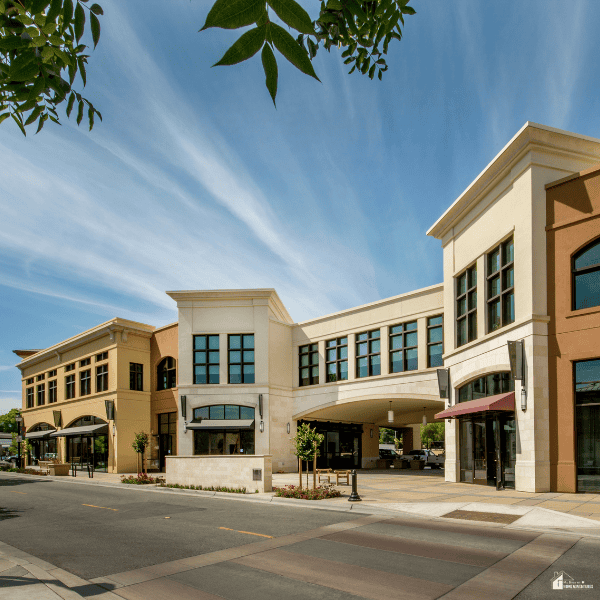
Many community and commercial buildings across the United States continue to serve people every day despite being constructed decades ago. Schools, churches, recreational centers, and mixed-use facilities continue to serve growing populations, even as expectations around comfort, accessibility, and functionality have significantly evolved.
In cities with dense infrastructure and long architectural histories, these challenges become even more visible. Chicago, for example, contains thousands of older buildings that cannot fully support today's usage levels, foot traffic demands, or accessibility requirements.
Yet many of them remain essential parts of their neighborhoods, which puts ongoing pressure on property owners and facility managers to modernize without interrupting daily operations.
Why Aging Infrastructure Requires Constant Balancing
Managing older buildings is rarely about full-scale renovation. In most cases, it’s about incremental upgrades that keep spaces functional without shutting them down for long periods of time.
This creates a constant balancing act between budget limitations, user expectations, and structural constraints. Facility managers often have to prioritize what gets updated first and what can safely remain in place for another few years.
The challenge is that even small details, when ignored for too long, can begin to affect how people experience the entire building.
When Functionality Becomes More Important Than Design
In newer developments, design often leads the conversation. In older facilities, functionality quickly becomes the priority.
High-traffic environments such as schools, public restrooms, gyms, and community centers require materials and layouts that can withstand constant use. Durability, privacy, and ease of maintenance tend to matter far more than aesthetic trends.
Over time, building managers learn that the most successful upgrades are not always the most visible ones, but the ones that reduce daily operational friction.
The Reality of Renovation in Cities Like Chicago
Urban environments add another layer of complexity. In a city like Chicago, renovation projects are rarely straightforward. Many buildings operate continuously while upgrades are being planned or implemented in phases.
This means decisions have to be made with long-term usage in mind rather than short-term appearance. Facility managers often have to consider how each component will perform under heavy and repeated use.
It is in this context that details like restroom configuration, material durability, and privacy systems become more important than they might initially appear during early planning stages.
In fact, in many renovation projects, decisions involving toilet partitions in Chicago are treated as minor line items at first, but later prove to be essential in shaping user satisfaction and maintenance efficiency over time.
Why Small Infrastructure Choices Have Long-Term Impact
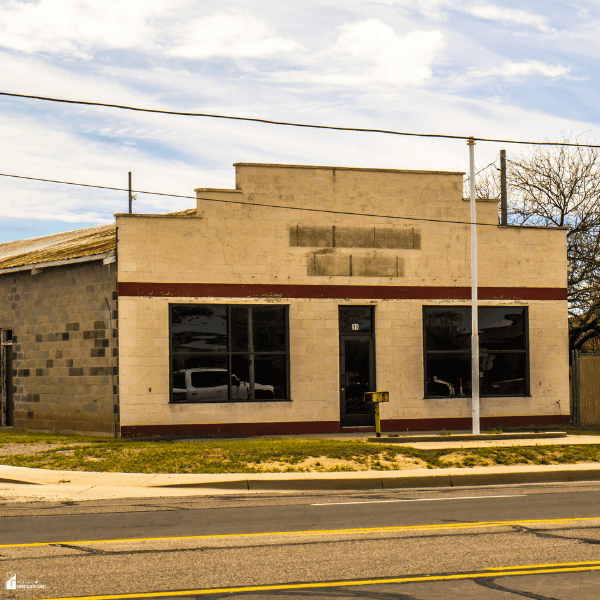
Renovation plans often overlook how small physical components can affect long-term operating costs.
A poorly chosen material or system might not show immediate issues, but over time it can lead to higher maintenance needs, more frequent repairs, and reduced user satisfaction.
On the other hand, thoughtful infrastructure choices tend to reduce strain on facility staff and improve the overall perception of the space, even if visitors never consciously notice the improvements.
This is why experienced property managers increasingly focus on lifecycle value rather than just upfront installation costs.
The Shift Toward Practical, Durable Renovation Thinking
There is a noticeable shift happening in how organizations approach renovation projects. Property owners increasingly focus on durability, usability, and long-term efficiency rather than purely aesthetic upgrades.
This shift is especially relevant for institutions that operate daily and serve large groups of people. For them, downtime is costly, and maintenance disruptions directly affect communities.
As a result, planning decisions are becoming more practical, with greater emphasis on materials and systems that can perform consistently over time.
Conclusion
Older buildings remain a critical part of community infrastructure across the United States, especially in major urban centers like Chicago.
While older buildings often provide historical and architectural value, they also create ongoing operational challenges. Property owners must plan carefully and stay proactive to keep these facilities safe, functional, and compliant.
The most effective renovation strategies do not always involve the largest budgets or the most impressive visual upgrades. Instead, successful projects focus on long-term functionality, reliability, and ease of maintenance. These priorities help reduce future costs and improve day-to-day operations.
Even small facility decisions can have a significant impact over time. As a result, choosing durable materials, reliable components, and practical design solutions often delivers lasting value that extends well beyond the initial investment.