Building for Long-Term Residents in Maui Instead of Short-Term Guests
This post may contain affiliate links which might earn us money. Please read my Disclosure and Privacy policies here
Across parts of Maui, entire condo buildings that once turned over guests every week are now preparing for full-time residents. In areas like Kihei, Honokowai, and Wailea, many units were designed for short stays, not daily life.
Owners are now facing practical questions. Where will residents store their belongings? How will older buildings handle constant water and power use? What upgrades make sense before long-term tenants move in?
This shift is not just about rules. It is about design, durability, and livability. Builders and property owners who understand these differences can avoid costly mistakes. Building for long-term residents in Maui requires a clear plan and a focus on how people actually live day to day on the island.
When the Market Shifts Toward Full-Time Living
Several Maui communities are adjusting to a future that looks different from the past decade. Condo complexes that once focused on vacation turnover now face steady occupancy year-round. This shift changes how owners think about maintenance, budgeting, and renovations.
Short-term rentals often prioritized quick cosmetic upgrades that could attract guests quickly. Long-term housing requires stronger planning and deeper improvements that support daily routines and consistent use.
Owners are reviewing lease options, evaluating association rules, and reconsidering how their properties fit into the local housing landscape. With the passing of Maui Bill 9 impact on real estate can be seen clearly across South and West Maui, especially in apartment-zoned condo communities.
Many owners now reassess how their units function for full-time living. Builders are receiving more requests for practical upgrades instead of surface-level remodels. The focus has moved toward comfort, function, and long-term value.
Floor Plans That Support Real Life
Vacation units often maximize sleeping space. Designers added extra beds and flexible furniture to increase occupancy. Full-time residents need something different. They want clear living areas, a defined dining space, and room to work from home.
In Maui, where remote work continues to grow, many residents ask for small office nooks or quiet corners with strong lighting and ventilation. Open layouts may need subtle separation to create privacy. Even simple changes like adding partial walls or built-in shelving can improve daily living.
Builders should review how traffic flows through a unit and how residents use each room. A layout that feels fine for a week may feel cramped after several months of full-time use.
Storage That Matches Island Living
Storage rarely ranked high on the priority list for vacation rentals. Guests arrived with suitcases and left within days. Long-term residents bring surfboards, paddleboards, tools, seasonal items, and everyday household goods.
Many older Maui condos offer limited closet space and small kitchens with minimal pantry storage. Builders can solve this with built-in cabinets, under-bed storage solutions, and better closet systems. Outdoor storage also matters.
Secure areas for beach gear reduce clutter inside units. Property owners should review HOA rules before adding exterior storage, but creative solutions exist within most footprints. Good storage design improves comfort and reduces wear and tear on shared spaces.
Residents who have room to organize tend to care for their homes better.
Prioritizing Privacy and Noise Control
Short-term guests tolerate noise more easily because their stay is temporary. Full-time residents notice every footstep from above and every conversation through shared walls. Older condo buildings in Maui often lack strong sound barriers.
Builders can improve comfort by upgrading insulation, sealing gaps around plumbing lines, and installing solid-core interior doors. Window upgrades also help reduce outside noise from roads or nearby properties.
These improvements do not require major structural changes, but they make daily life more comfortable. Privacy extends beyond sound. Thoughtful placement of lighting, window treatments, and entry doors helps residents feel secure.
When people plan to stay long term, comfort and privacy matter just as much as appearance.
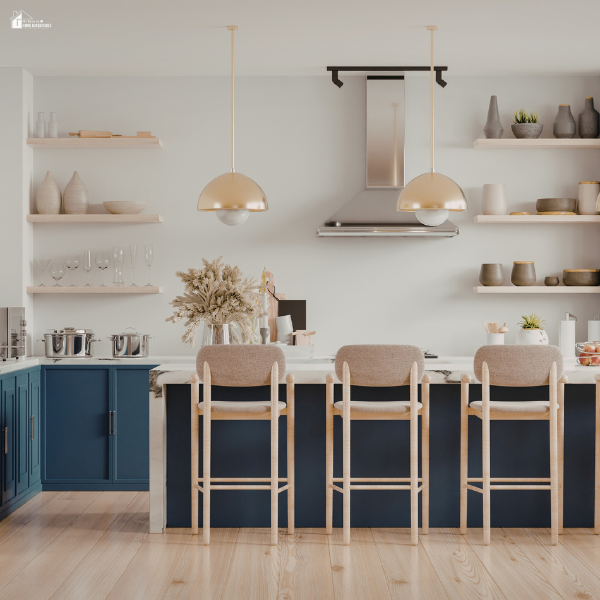
Kitchens Designed for Everyday Use
Vacation kitchens often look appealing but lack function. Developers focused on easy cleaning and short stays. Full-time residents cook daily, store groceries, and use appliances constantly. In many Maui condos, counter space feels tight and ventilation struggles with regular cooking.
Builders should consider adding durable countertops, improving task lighting, and upgrading ventilation fans. Energy-efficient appliances also help reduce monthly costs for residents who cook often. Storage within reach of prep areas improves workflow and reduces clutter.
Strong cabinet hardware and moisture-resistant finishes hold up better in Maui’s humid climate. A kitchen that supports daily meals and family routines increases long-term satisfaction and adds lasting value to the property.
Parking and Outdoor Space That Work for Residents
Full-time residents use parking and outdoor areas very differently than short-term guests. Many households own more than one vehicle, especially in parts of Maui where public transportation options are limited.
Condo associations may need to review stall assignments, guest parking rules, and enforcement policies to reduce conflict. Builders and property managers should also look at lighting, pavement condition, and drainage in parking areas.
Poor drainage can lead to standing water and faster surface damage. Outdoor spaces also need attention.
Residents value shaded seating areas, functional lanais, and safe walkways. Upgrading railings, improving exterior lighting, and maintaining landscaping support daily use. These changes help create a stable living environment rather than a resort-style setting.
Choosing Materials That Withstand Maui’s Climate
Maui’s coastal climate affects building materials every day. Salt air, humidity, and strong sun exposure can wear down finishes faster than in many mainland locations. Short-term rentals often used materials chosen for appearance rather than long-term durability.
When building for residents, contractors should select corrosion-resistant hardware, quality exterior coatings, and flooring that handles moisture well. Stainless steel fixtures, sealed concrete, tile, and high-quality vinyl plank flooring often perform better in humid conditions than untreated wood products.
Window and door seals also need close attention to prevent moisture intrusion. Choosing the right materials reduces maintenance costs and extends the life of the building. Residents benefit from fewer repairs and a more comfortable indoor environment.

Building for long-term residents in Maui requires more than cosmetic updates. It calls for practical design, durable materials, reliable systems, and clear planning. Condo communities that once focused on short stays must now support daily routines, steady occupancy, and stronger community standards.
Owners and builders who address storage, noise control, infrastructure, and safety early can prevent future problems. Thoughtful upgrades create comfortable homes that suit Maui’s climate and lifestyle.
This shift offers an opportunity to improve older properties and strengthen local housing options. When construction decisions reflect how residents truly live, the result is housing that supports stability, comfort, and long-term value on the island.