Why Decorative Hardware Matters More Than People Realize
This post may contain affiliate links which might earn us money. Please read my Disclosure and Privacy policies here
When homeowners plan a renovation or redesign, they often focus on paint colors, furniture, flooring, or lighting. While these larger elements shape the overall appearance of a space, smaller details often influence how a home feels on a daily basis.
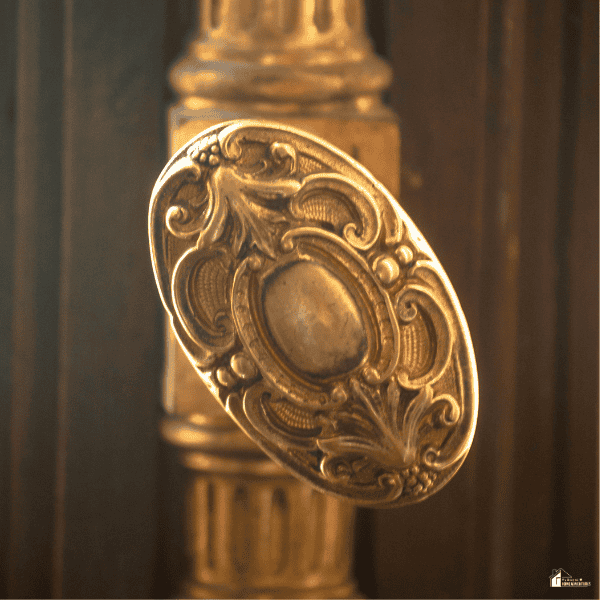
Features such as cabinet pulls, entry hardware, and bronze door knobs contribute to comfort, visual balance, and long term character in ways many people overlook.
Small Details Influence the Entire Space
Decorative hardware appears throughout nearly every room in a home. People interact with these details many times each day, even if they rarely think about them directly. Opening doors, reaching for cabinets, or moving through shared spaces becomes part of the overall experience of living in a home.
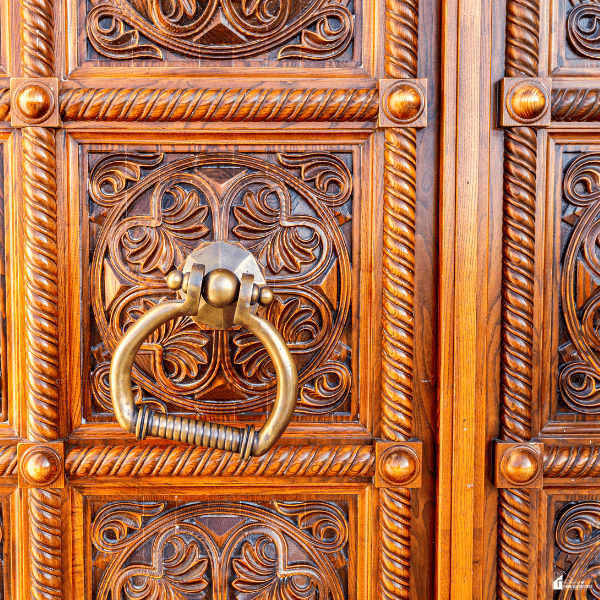
Because of this constant interaction, hardware affects more than appearance alone. Weight, texture, and finish all shape how a space feels. A solid metal knob with a hand finished surface creates a stronger sense of craftsmanship than lightweight materials designed for quick replacement.
Designers often focus on these details because they understand how small elements contribute to the larger atmosphere of a room. Thoughtful hardware choices help interiors feel complete and intentional.
Decorative Hardware Supports Cohesion
One of the most important goals in interior design is creating visual harmony. Flooring, cabinetry, lighting, textiles, and architectural details should work together to form a unified environment. Decorative hardware plays an important role in achieving this balance.
Metal finishes can connect different elements across a room or throughout an entire home. Bronze accents may complement light fixtures, stair railings, plumbing details, or furniture frames. These repeated materials help spaces feel calm and coordinated without making the design feel overly matched.
Hardware also supports consistency between rooms. A cohesive design language creates smoother transitions from one space to another, which helps homes feel more polished and welcoming.
Even subtle details contribute to this effect. Matching textures, finish tones, and proportions can influence how people perceive the quality and comfort of an interior.
Material Choice Changes the Mood
Different materials create different emotional responses within a home. Bright polished metals may feel formal and crisp, while warmer finishes tend to create a softer and more inviting atmosphere.
Bronze remains a popular choice because it offers depth, warmth, and natural variation. Over time, bronze develops a patina that adds richness and individuality to each piece. This process creates a sense of authenticity that many homeowners and designers value.
Natural materials often feel more timeless because they age gracefully rather than appearing worn or outdated. This quality becomes especially important in homes designed for long term comfort and durability.
Material selection also affects tactile experience. Decorative hardware should feel substantial and comfortable to use. These subtle sensory details influence how people connect with their surroundings every day.
Functional Pieces Still Shape Design
Many homeowners think of hardware primarily as a practical necessity. Yet functional elements still contribute strongly to visual design. Decorative hardware introduces shape, texture, and proportion into a room while supporting daily use.
Scale matters more than many people realize. Oversized knobs and handles can create bold architectural presence, while smaller profiles support a quieter and more restrained aesthetic. Designers carefully consider these proportions because they affect the rhythm and balance of cabinetry, doors, and furniture.
Placement also influences visual flow. Well positioned hardware creates cleaner sightlines and smoother interaction throughout a space. Poorly chosen hardware can interrupt the overall harmony of an otherwise beautiful room.
These details may appear small at first glance, yet they influence how polished and refined a home ultimately feels.
Craftsmanship Creates Lasting Value
Luxury interiors often stand apart because of the care invested in their details. High quality decorative hardware reflects craftsmanship through precision, finish quality, and durable construction.
Hand finished materials often display subtle texture and variation that mass produced products cannot fully replicate. These nuances create individuality and help homes feel more personal.
Craftsmanship also supports long term performance. Well made hardware tends to operate more smoothly and maintain its appearance over years of daily use. This reliability becomes especially important in frequently used areas such as kitchens, entryways, and primary living spaces.
For architects and interior designers, these qualities contribute to the overall integrity of a project. Decorative hardware should support the architecture rather than compete with it. Thoughtful selections help reinforce the character and purpose of the home.
Timeless Homes Depend on Thoughtful Finishing Touches
Trends in interior design continue to evolve, yet timeless homes often rely on similar principles. They prioritize natural materials, balanced proportions, and lasting craftsmanship over temporary visual trends.
Decorative hardware supports this timeless approach because it combines beauty with function. Well designed pieces introduce warmth and refinement without overwhelming the surrounding space.
Homeowners increasingly value interiors that feel authentic, comfortable, and enduring. Small finishing details help create this atmosphere in quiet but meaningful ways.
While decorative hardware may not always receive immediate attention, it plays a major role in shaping how a home looks, feels, and functions over time. These subtle design choices contribute to the lasting comfort and character that define truly thoughtful interiors.