Creating a Convenient Herb Garden Just Steps From the Kitchen
This post may contain affiliate links which might earn us money. Please read my Disclosure and Privacy policies here
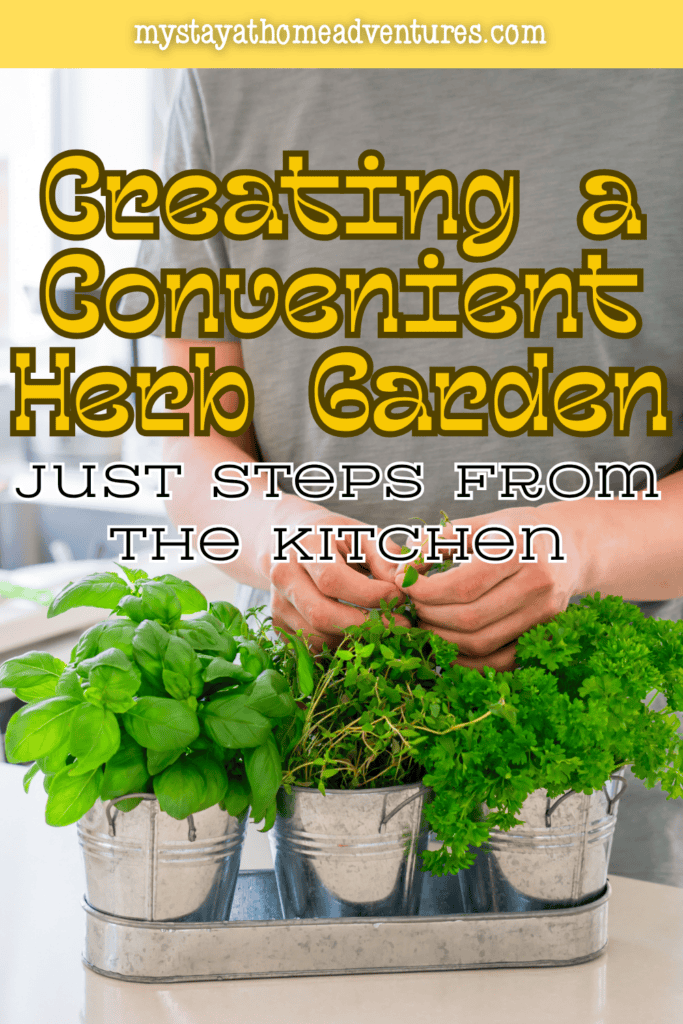
Few kitchen luxuries feel as satisfying as clipping fresh herbs seconds before they hit a sizzling pan. A convenient herb garden positioned just outside the back door keeps flavor within arm’s reach, saves grocery money, and turns weeknight cooking into a ritual of scent and color.
With thoughtful planning, even modest homes can carve out a lush, low-maintenance green zone that thrives in pots, raised beds, or clever vertical frames.
Choose the Right Spot and Sunlight
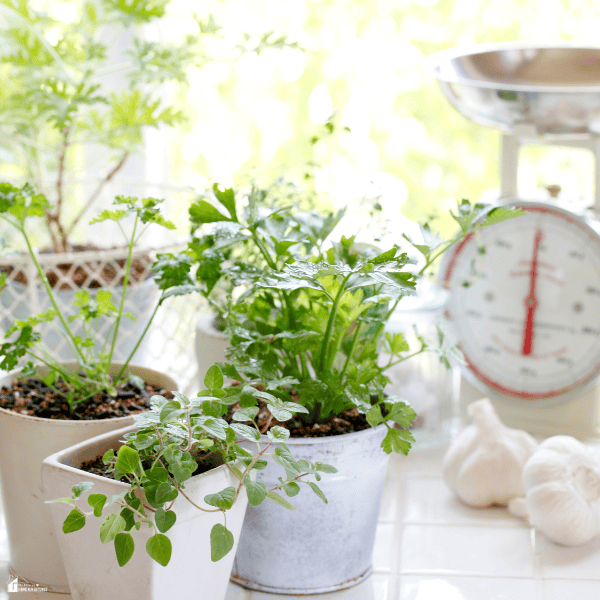
The most critical decision happens before a single seed is sown: where will the herbs bask? Target a patch that receives six to eight hours of direct light, ideally on the south or southwest side of the house, so the foliage drinks in steady rays from morning through late afternoon.
Keep it close enough to the kitchen door that a drizzle will not deter a dash for basil.
Avoid low pockets where water lingers after rain and places shaded by swings of tree canopy. A wall that absorbs midday warmth or a light-colored fence can reflect extra heat, encouraging Mediterranean partners like rosemary and thyme to flourish all season long.
Build Soil That Feeds and Drains
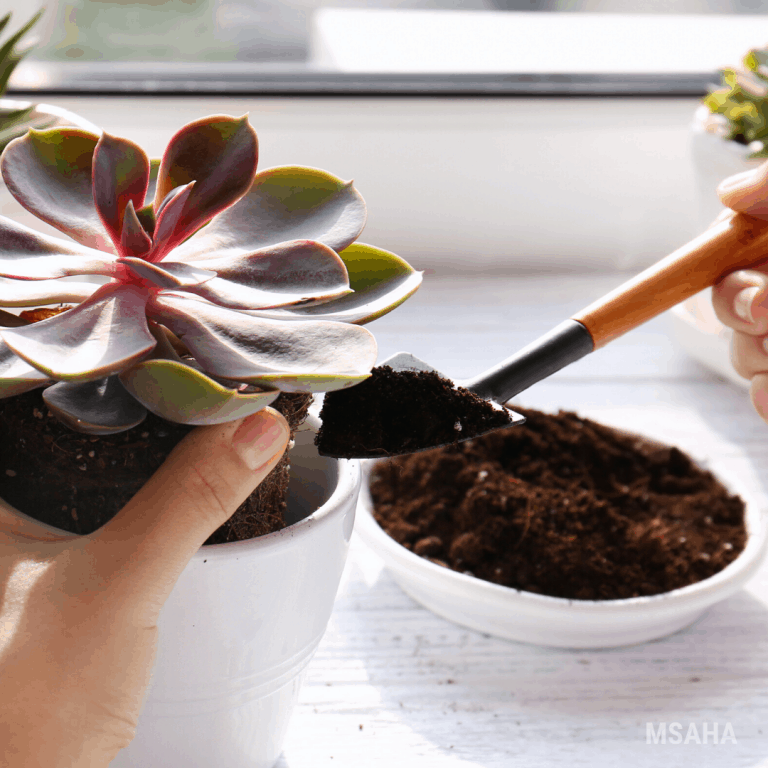
After sunlight, soil quality determines whether herbs remain scrawny or rocket into perpetual harvest. Blend two parts rich compost with one part coarse sand or perlite to strike the balance between nutrition and drainage.
Herbs dislike soggy roots, so raised beds or large terra-cotta pots with generous holes are insurance against tropical downpours.
Before filling, loosen the native ground with a garden fork to break up compaction and invite earthworms. Mix in a handful of slow-release organic fertilizer, then top with a two-inch layer of shredded bark to steady moisture and suppress weeds.
Healthy, airy soil breathes, drains, and delivers a buffet of micronutrients all at once for thriving roots.
Incorporate Smart Layouts and Access
Efficiency in a kitchen-side herb garden comes from thoughtful geometry. Arrange the most-grabbed herbs—parsley, basil, chives—along the walkway edge, while slower producers such as sage or lavender anchor the rear.
Keep bed width under four feet so every sprig is reachable without trampling soil. Create stepping-stone paths or a narrow gravel ribbon to prevent muddy shoes.
If space allows, a trusted home remodeling contractor can even incorporate a slim deck landing with built-in planter boxes, letting cooks slide directly outdoors and pluck oregano between simmering pots.
Label plants with weather-proof markers and install a wall-mounted basket for snips so tools never vanish mid-recipe, even on a hectic late Tuesday rush.
Maintain, Harvest, and Refresh Through the Seasons
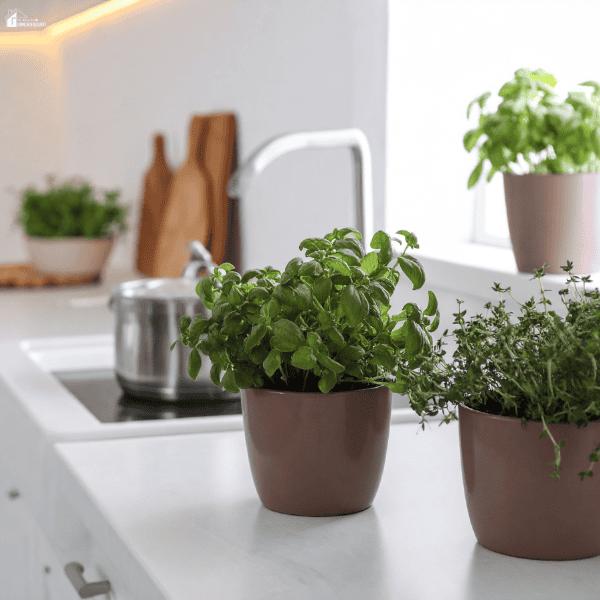
Once the garden is established, light but regular maintenance keeps flavors at their peak. Water in the cool morning so leaves dry before nightfall, discouraging mildew. Snip herbs often and early; consistent harvesting encourages branching and prevents woody stems.
Replace spent annuals like basil every four months in tropical climates, and divide perennials such as chives each spring to rejuvenate roots.
Keep a small jar of neem oil on standby to spot-treat aphids before they colonize. Between seasons, top-dress beds with fresh compost and a sprinkle of crushed eggshells to replenish calcium. By treating the space as a rotating pantry, freshness never wanes, and aromas brighten every home-cooked plate daily.
Conclusion
A kitchen-adjacent herb garden is more than décor; it is an invitation to cook with curiosity and confidence. When sun, soil, layout, and maintenance align, everyday meals gain the vivid snap of just-picked mint or the mellow earthiness of thyme still warm from the afternoon.
The few moments spent tending seedlings or trimming bunches foster a rhythm that balances screen-heavy routines with grounding, sensory work.
Guests notice the fragrance before they taste it, and children learn that flavor grows from living leaves, not dusty jars. Whether you are an apartment dweller with container rails or a homeowner shaping raised cedar beds, those steps between stove and garden quickly become the most rewarding meters you travel all week, again and again.