
What a Towel Radiator Does and How It Works in a Modern Bathroom
This post may contain affiliate links which might earn us money. Please read my Disclosure and Privacy policies here
In today's modern bathrooms, the need for both functionality and style is paramount. One key element that marries these two requirements is the towel radiator. Not only does it provide heat to a room, but it also efficiently dries towels, enhancing the overall comfort of the bathroom experience.
An aspect often overlooked, but crucial to understanding radiator efficiency, is its relationship with room insulation impact on radiator efficiency. Proper insulation ensures that the heat generated by the radiator is retained within the room, optimising its performance and energy usage.
Understanding the Basic Functions of a Towel Radiator
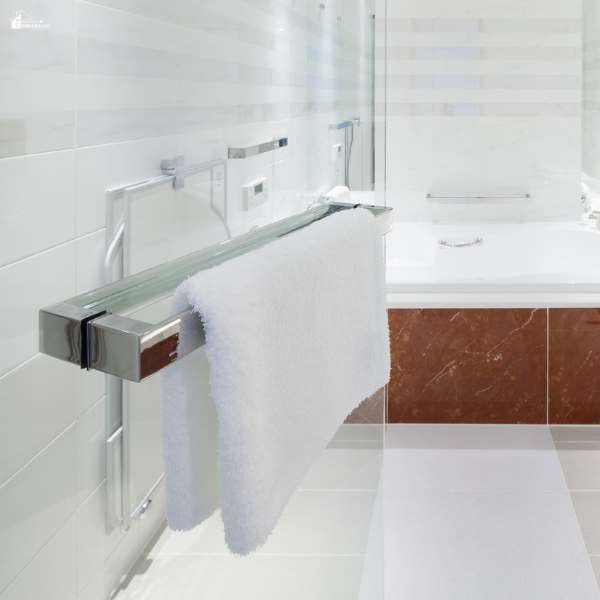
A towel radiator, sometimes referred to as a heated towel rail, serves dual purposes. Primarily, it acts as a heating device, warming up the space just as any radiator would. Secondly, it provides a convenient way to dry and warm towels.
This dual functionality is particularly beneficial in a moist environment such as a bathroom, where wet towels are common and require timely drying to prevent odour and bacterial growth.
How Towel Radiators Fit Into Modern Bathroom Design
In terms of aesthetics, towel radiators have evolved significantly from their purely utilitarian beginnings. Modern designs come in a plethora of shapes, finishes, and sizes, offering homeowners the ability to choose a model that complements the decor of their bathroom.
Whether it is a sleek chrome finish for a contemporary look or a traditional white enamel for a classic feel, these radiators can be as much a part of the decor as they are a utility.
The Working Mechanism of a Towel Radiator
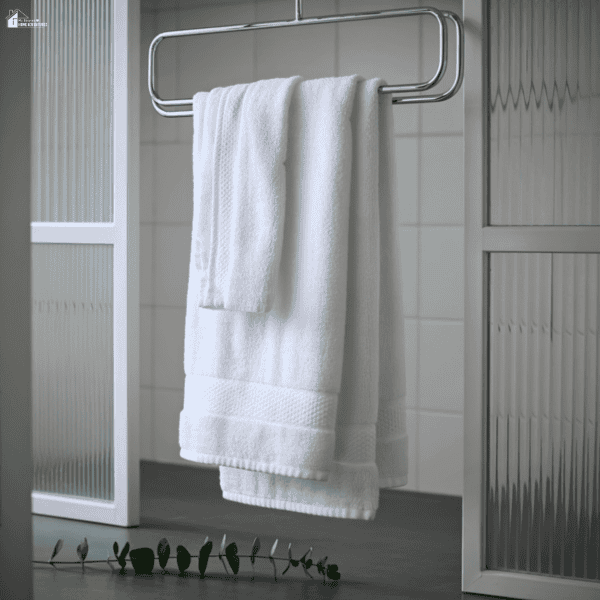
A towel radiator operates by allowing heated water to circulate through its pipes, thereby warming up the metal and subsequently the room and any towels hung on it. There are primarily two types of towel radiators: plumbed and electric.
Plumbed towel radiators are connected to the central heating system of a home, functioning in tandem with other radiators. In contrast, electric towel radiators are independently operated via electricity. Some models offer dual fuel capabilities, combining both electric and central heating features.
Energy Efficiency and Towel Radiators
Energy efficiency is an important consideration when selecting heating appliances for the home. Towel radiators are no exception. A well-chosen towel radiator can help lower heating costs while providing sufficient warmth and comfort.
To achieve optimised efficiency, it's essential to match the size and output of the towel radiator with the room's size and insulation levels. Proper room insulation plays a significant role in maintaining temperature, preventing the rapid escape of heat, and ensuring the radiator works efficiently.
Installation and Maintenance Considerations
Installing a towel radiator requires careful planning to ensure that it functions correctly and safely. Placement is crucial, as it needs to be within reach for convenience, yet strategically located to provide optimal heat distribution.
Regular maintenance is also vital, involving the bleeding of air from the radiator to prevent cold spots and ensuring all connections are secure to avoid leaks. For electric models, periodic safety checks are recommended to ensure the electrical components are in good working order.
A towel radiator is a versatile and beneficial addition to any modern bathroom. It provides warmth and utility while fitting seamlessly into contemporary design schemes. When opting for a towel radiator, it's essential to consider its efficiency, which is greatly influenced by factors such as room insulation.
By keeping these aspects in mind, homeowners can enjoy a more comfortable, energy-efficient bathroom environment.