Building Sustainable Shelters For Commercial Food Production Use
This post may contain affiliate links which might earn us money. Please read my Disclosure and Privacy policies here
Sustainable farming relies on the right infrastructure to keep crops safe. These structures create a controlled space where plants can grow without outside interference. A durable shelter acts as a shield against the changing world outside.
Building a commercial food system takes careful planning and investment. Farmers need spaces that stand up to the elements for many years. Choosing the right materials makes a huge difference in the long run.
Planning Your Growth Space
Choosing a design requires looking at regional weather data and crop needs. Many farmers visit Rimol’s official website, for example, to compare different framing options for their projects. Sturdy frames help prevent collapses during heavy snow or high winds.
This protection is a primary concern for any large business.
A good layout makes it easier to move equipment and harvest crops. Producers should think about where water lines and power will go before they build.
Sustainability starts with a solid foundation that lasts. Using recycled steel or long-life plastic can help lower the impact on the earth. Choices help the business stay profitable for a long time. It reduces the need for new parts.
Resource Efficiency In Modern Shelters
Saving water is a major goal for any sustainable farming business. Research on urban farming shows that using liquid-based growth systems helps save a lot of water and power. These methods provide nutrients directly to the roots. It is a cleaner way to grow.
Farmers can use less land to grow the same amount of food. This leaves more room for wild spaces or other farm activities. It is a smart way to manage limited space in busy areas. More farmers are looking at these techniques as land prices rise.
Vertical designs take this efficiency even further. Stacking plants on top of each other multiplies the harvest per square foot.
Benefits of Year-Round Production
Growing food throughout the winter keeps the local supply chain strong. An academic journal explained that greenhouse tech helps farmers grow crops all year and makes the most of every resource.
Controlled spaces protect delicate leaves from scorching sun or freezing frost. Farmers gain more control over the light and heat levels inside. This consistency helps them meet contracts with local grocery stores. It keeps the business running smoothly every single week.
Producing food closer to the city reduces the cost of shipping. It keeps the food fresher for the people who buy it. Many commercial growers are moving to these systems to stay competitive.
Scaling Up Commercial Facilities
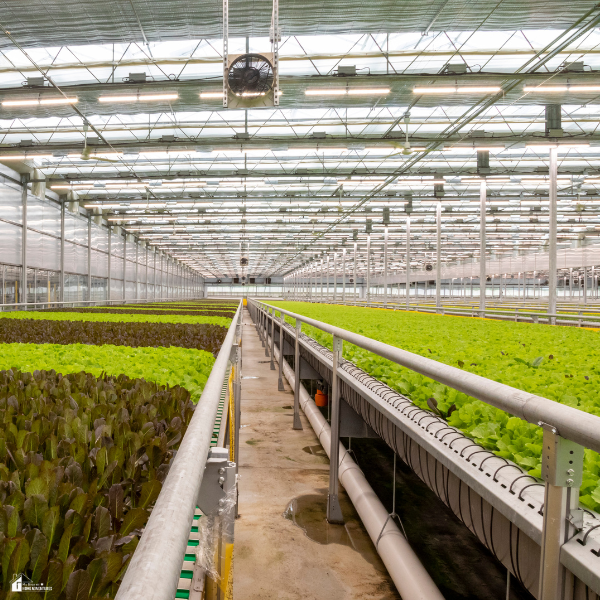
Large facilities require massive amounts of space to be effective. An industry news report mentioned a 210,000-square-foot facility in Texas designed to supply fresh greens regardless of the season. Huge projects like this show the future of mass food production.
Managing a site of that size takes a lot of automation. Computers track the moisture and temperature levels in every corner.
Big buildings need smart designs to avoid wasting energy. Insulation and venting are key factors in keeping the climate stable. High ceilings allow for better air flow across the entire crop.
Managing The Internal Climate
Maintaining the right temperature is a constant job for a grower. Fans and heaters work together to keep the air moving. Sensors tell the system when to kick on or shut off. Keeping the air fresh is a key part of the process.
Heating costs can be the biggest expense for a commercial operation. Using thermal blankets or double walls helps trap the heat at night. This keeps the plants warm without using extra gas. It protects the profit margins of the farm.
Many growers find that small changes lead to big savings:
- Swapping old bulbs for LED lights
- Installing automatic vent openers
- Checking for gaps in the door seals
- Using white floor covers to reflect light
Future Proofing Food Systems
New materials are making shelters tougher and lighter than before. Carbon fibers and treated plastics resist damage from the sun. Upgrades extend the life of the building by several seasons. The right materials keep the plants safe, even when it is cold outside, so the business keeps growing.
Farmers should look for designs that they can expand later. Modular kits allow for adding more bays as the business grows.
Investing in quality today prevents a lot of headaches in the future. A strong shelter is a key tool for a commercial grower. It provides the peace of mind needed to focus on the plants. High-quality builds are worth the extra cost.
Sustainable shelters provide the stability needed for modern food systems. They allow farmers to produce high-quality food in any weather. This approach makes the food supply more reliable for everyone.
Moving toward these green buildings helps protect the planet and the economy. It is a smart step for the future of commercial agriculture. Growing food indoors is the way of the future.