Smart Home Habits That Support Your Family’s Health and Budget
This post may contain affiliate links which might earn us money. Please read my Disclosure and Privacy policies here
Transforming your home into a smart sanctuary can improve your family's well-being while keeping expenses under control. By pairing smart devices with simple daily habits, you can create a healthier home, use less energy, and lower your monthly expenses without giving up comfort.
Imagine a home that adjusts the thermostat, optimizes lighting, monitors air quality, supports meal planning, and even reminds you to step away from screens when needed.
As these technologies blend seamlessly into your routine, they become an effortless part of everyday life, helping you build a balanced, efficient space that supports both health and happiness while giving you greater peace of mind.

Building Healthy Family Habits With Smart Home Technology
Smart home devices can seamlessly integrate into your daily life, offering practical benefits for your family's health and finances. From personalized wellness routines to improving indoor air quality, these technologies provide functional and economic advantages.
Daily Routines for Wellness Tracking
Tracking your health metrics can be as easy as setting up a smart speaker or display. Devices such as smartwatches and fitness trackers help you monitor activity levels, heart rates, and sleep patterns. They often sync with health apps, turning individual data into actionable insights.
These insights enable you to tailor exercise and dietary habits to better align with health goals. Some families also use digital health reminders to stay on top of preventive care appointments, from annual checkups to specialist screenings such as a liver scan.
You can set reminders for hydration or schedule exercise alerts using voice commands. When these reminders are built into your devices, staying on top of your health becomes easier and more consistent.
Smart Lighting for Better Sleep and Mood
Smart lighting solutions have the potential to positively impact your sleep quality and mental well-being. You can program lights to adjust brightness and color temperature throughout the day. Warm, dim lighting in the evening helps signal your body to wind down, encouraging better sleep.
These systems can simulate natural light, which is crucial for regulating your circadian rhythm. Setting morning lights to mimic sunrise can help wake you naturally, improving alertness and mood. Controlling your lights with a phone or voice assistant makes everyday routines simpler and more flexible.
Air Quality Monitoring and Purification
Indoor air quality can greatly influence your family's health. Smart air quality monitors detect pollutants, allergens, and humidity levels, notifying you when the air quality drops below your desired standards. This information enables you to take action, such as increasing ventilation or using air purifiers.
Smart purifiers can also connect with other devices, enabling automated responses to real-time air quality data.
For families who rely on detailed health guidance or international research, accurate interpretation of environmental and medical information, including life science translations, can help ensure that decisions are based on reliable, clearly understood data.
These devices not only offer a healthier breathing environment but can also lead to long-term cost savings by preventing health-related issues. Using smart home devices to control indoor air quality ensures a healthier living space for your family.
Smart Savings: Cutting Costs Without Sacrificing Comfort
Achieving a balance between savings and comfort in your smart home is entirely possible. Using technology wisely helps you minimize expenses while maintaining a cozy environment.
Explore how adjusting thermostat settings, automating appliance use, and monitoring water consumption can significantly reduce costs.
Energy-Efficient Thermostat Settings
Setting your thermostat to more energy-efficient temperatures can lead to noticeable savings on your energy bill. Lowering your thermostat by 1 degree for several hours a day can reduce your heating bill by about 1%, according to the U.S. Department of Energy.
During the winter, aim for a setting of 68°F while you're awake and lower it when sleeping or away from home. In the summer, set it to 78°F when home, and raise it when no one is around.
Smart thermostats come with features allowing for precision and convenience. You can program different settings for various times of the day, ensuring that your home is only heated or cooled when necessary.
Use the scheduling capabilities of smart thermostats to automate these temperature changes, making it easier to conserve energy without constant manual adjustments.
Automated Appliance Schedules
Creating schedules for your appliances is a simple yet effective way to save on energy costs. Use timers or smart plugs to automate the operation of devices like dishwashers, washing machines, and coffee makers. Running appliances during off-peak hours can lower electricity bills since energy rates are often cheaper during these times.
Many smart home apps allow you to monitor and control appliance usage remotely, helping you spot and reduce energy waste. Additionally, consider aligning your appliance schedules with renewable energy generation in your area.
This ensures your consumption is as eco-friendly as possible, potentially reducing your carbon footprint along with your bills.
Water Usage Monitoring for Lower Bills
Keeping track of water usage helps reduce both consumption and costs. Installing a water usage monitor can reveal exactly where you might be wasting water. Commonly overlooked areas include leaking faucets and inefficient showerheads.
According to the U.S. Environmental Protection Agency, household leaks can waste nearly 10,000 gallons of water each year!
Once you identify high-usage areas, simple changes make a big impact. For example, switching to low-flow fixtures can significantly cut down on water use. Smart irrigation systems also help optimize water use outside, ensuring your lawn stays green without excess waste.
Many of these systems adjust watering schedules based on weather forecasts, further optimizing your water usage.
Personalized Family Solutions for Health and Budget
Balancing health and finances in a family setting can be challenging. Smart home technology offers customizable solutions that provide peace of mind, particularly for child and senior safety, while also aiding in meal planning to save money and encourage healthier eating habits.
Child and Senior Safety Features
Enhancing the safety of your children and elderly family members is a significant benefit of smart home technology. Devices such as smart cameras and door sensors can alert you to unusual activity, giving you peace of mind for family members who need extra support.
For children, installing smart locks allows you to monitor entries and exits, reducing potential risks.
For seniors living independently, medical alert systems integrated with smart home technology can automatically call for help in the event of a fall or other emergency. You can configure these systems to suit specific needs, offering reassurance that help is readily available.
These safety measures create a secure environment that adapts to your family's unique situation, helping you maintain peace of mind without constantly worrying about their well-being.
Meal Planning With Smart Kitchens
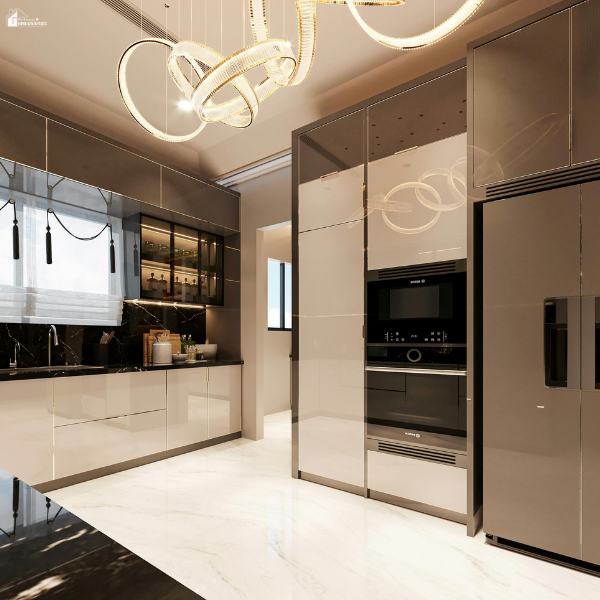
Smart kitchens are making family meal planning easier and more affordable, making it easier to prepare nutritious meals while staying on budget.
With smart refrigerators, you can keep track of your groceries and their expiration dates, reducing waste and unplanned trips to the store. Such devices often come equipped with cameras and barcode scanners to better manage your inventory.
Smart appliances like ovens and microwaves can be programmed to suggest recipes based on the ingredients you have on hand. This not only promotes healthier eating habits by encouraging home-cooked meals but also ensures you're getting the most out of your grocery budget.
By simplifying the cooking process and making meal planning more efficient, smart kitchens support a balanced lifestyle without breaking the bank.
Conclusion
A healthier, more affordable home does not require major changes, just smart habits and technology that support wellness, safety, and energy efficiency.
Over time, these small improvements reduce stress, increase comfort, and help your home better protect your family's health while keeping everyday costs under control.