How Quality Roofing Saves Money in the Long Run
This post may contain affiliate links which might earn us money. Please read my Disclosure and Privacy policies here
Most people forget their roof exists until water drips from the ceiling. A storm rolls through and suddenly shingles scatter across the lawn. What started as a minor weakness becomes a full-blown crisis. Now you need emergency repairs that cost three times what prevention would have.
Roofs do serious work beyond keeping rain outside. They regulate temperature, protect structural wood, and influence what buyers will pay for your house. Spending more on quality materials feels painful at checkout.
Those dollars come back to you through smaller utility bills and decades without major headaches.
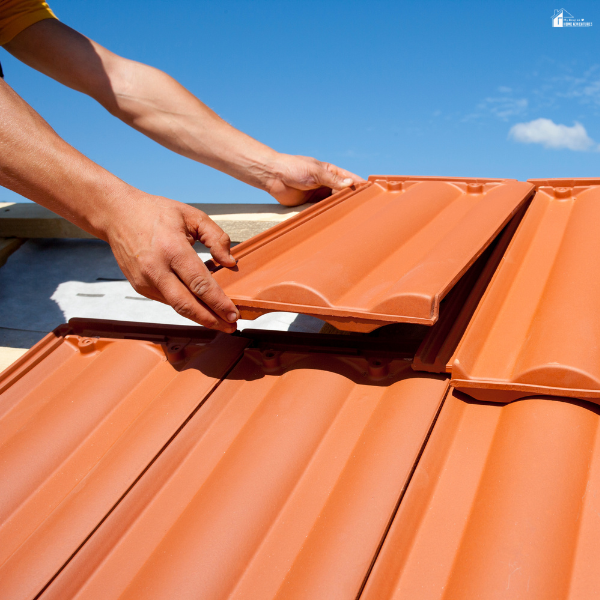
Energy Savings Add Up Fast
Think about your attic on a July afternoon. Cheap roofing lets that furnace-level heat pour straight into your living space. Your air conditioner fights a losing battle. Winter brings the opposite problem when warm air you paid to heat escapes through gaps and weak spots.
Quality materials include underlayment that actually seals and ventilation systems designed for airflow. Complete Roofing installs products from GAF and Owens Corning because these brands build for performance. The difference shows up every month when your power bill arrives.
Temperature Control Cuts Utility Bills
A properly ventilated attic stays 20 degrees cooler in summer. Your AC runs half as often. The compressor lasts years longer because it doesn't cycle constantly. The Science Direct tracked homes with good attic systems. They used 15% less energy for cooling. Over two decades, that adds up to genuine money.
Good insulation smooths out temperature swings too. You stop waking up cold at 3 AM when the heat kicks off. Rooms stay comfortable without constant thermostat adjustments. Ice dams quit forming in northern climates because heat stops escaping through weak spots.
Snow melts evenly instead of creating those destructive freeze-thaw cycles at roof edges.
Stop Repairs Before They Start
Prevention beats reaction every single time. Quality installation handles problems before they develop. Contractors who follow specs and use proper techniques save you from those 2 AM phone calls about leaks.
Good roofing work includes several protective layers:
- Flashing gets installed correctly around every chimney and pipe penetration
- Shingles go down with the right number of nails in exact locations
- Underlayment covers the entire deck without gaps or wrinkles
- Ventilation components match manufacturer requirements for warranty validity
- Drip edge channels water away from fascia boards
Why Emergency Repairs Cost More
Saturday afternoon leaks mean contractors charge weekend rates. You need tarps immediately before more rain arrives. Someone has to check inside walls for hidden water damage. Rush fees stack up fast. Some companies triple their normal rates for after-hours emergencies.
Quality work prevents most of these situations. Annual inspections catch loose shingles before wind rips them off. Small fixes take 20 minutes and cost almost nothing. Wait until damage spreads and you're looking at interior repairs too. Drywall replacement, paint, maybe new insulation if water soaked through.
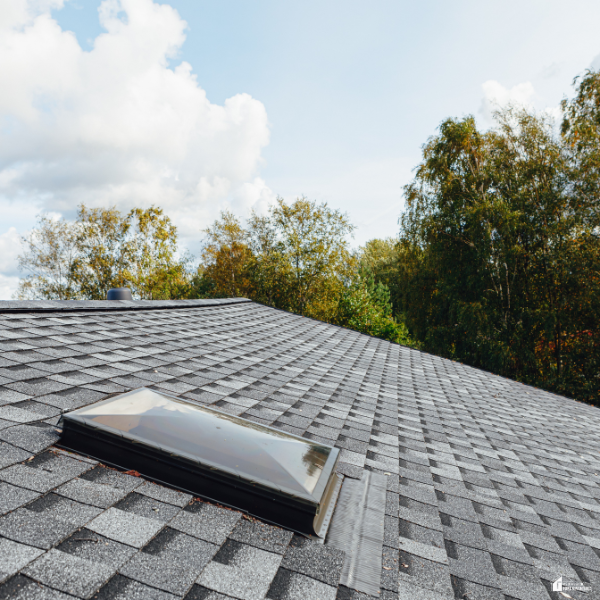
Pick Materials That Perform
Basic shingles last maybe 18 years if conditions stay mild. Architectural grades with better composition hold up for 30 years or longer. That gap means one less roof replacement during your time in the house. Factor in inflation and rising labor costs. The math gets pretty clear.
Premium shingles resist hail without denting. Insurance companies in Texas and Colorado offer discounts for impact-rated products. Some underlayments include rubberized sections that self-seal around nail holes. These features stop minor problems from cascading into major damage.
Warranty Protection Saves Money
Manufacturers back good products with real warranties. Some cover materials for 50 years. Workmanship guarantees run 10 to 25 years depending on the installer. These protections transfer to new owners when you sell. Buyers pay more for homes with transferable roof warranties still in effect.
Different warranty types cover different scenarios. Material defects get handled by manufacturers. Installation errors fall on the contractor. System warranties require using matched components from one brand.
Read what's actually covered before assuming you have protection. Some warranties become void if you hire someone else for repairs.
Choose Contractors Carefully
Three estimates give you perspective on fair pricing. Ask each contractor why they prefer certain brands. Get specifics on installation timeline and crew size. References should come from jobs finished in the past six months, not three years ago.
Watch for these red flags:
- Bids thousands below others without reasonable explanation
- Pushy sales tactics about limited-time offers
- Generic answers about methods and materials
- Reluctance to provide itemized written estimates
- Requests for most of the payment before work starts
What Good Contractors Provide
Professional roofers explain each step from tear-off to cleanup. They answer technical questions without getting defensive. Estimates break out materials, labor, disposal fees, and permits separately. You know exactly where money goes.
Licensed contractors carry current insurance for injuries and property damage. Ask to see certificates and verify them directly with insurance companies. This coverage protects you from liability when crews work on your property. It also signals a legitimate business operation.
Timing Can Lower Project Costs
Roofing demand peaks in spring and fall across most regions. Contractors stay booked solid and prices reflect that demand. Late summer and winter bring slower periods. Scheduling then can save 10 to 15% on the same quality work.
Remodeling Magazine tracks home improvement returns annually. New roofs recoup around 60% of cost in added home value. That number jumps higher in hot real estate markets. Buyers want move-in ready houses.
They avoid properties needing immediate five-figure expenses. A solid roof removes objections and speeds up sales.