
Why Your Electric Bill Is Skyrocketing, and How to Protect Your Budget
This post may contain affiliate links which might earn us money. Please read my Disclosure and Privacy policies here
It is incredibly frustrating to open your utility bill, look at the total, and feel a sudden spike of anxiety—especially when you haven't changed your daily routines.
Electric bills are climbing across the country, leaving families scrambling to adjust their monthly budgets. The strain is most obvious in high-consumption regions. For example, the average U.S. residential electric bill sits around $163 per month, but in Texas, that average jumps to $176.
This is largely because Texas households burn through an average of 1,096 kWh per month (mainly battling that brutal heat) compared to the national baseline of about 900 kWh.
So, why does your bill keep creeping up? The answer lies in a few massive, behind-the-scenes structural shifts. Here is a breakdown of why power costs are rising, along with practical strategies to protect your hard-earned cash.

Why Electricity Prices Are Rising Faster Than Expected
1. Massive Demand from Tech Giants
Electricity demand is climbing sharply, driven by the rapid development of data centers and artificial intelligence (AI) operations. Data centers run 24/7, pulling vast amounts of electricity to keep servers running and cooled.
To put it in perspective, the Electric Reliability Council of Texas (ERCOT) is currently tracking hundreds of massive data center projects seeking grid connections. While not all of these will be built, the sheer volume of power they require is reshaping the energy market.
2. Upgrading an Aging Grid
Our weather is getting more extreme, and the infrastructure built to handle our power needs is showing its age. Utilities are spending billions of dollars to build new transmission lines, substations, and generation capacity to prevent blackouts during extreme summer heat or winter freezes.
While these upgrades are necessary for reliability, the cost of building them eventually trickles down to your residential bill.
3. Supply Chain Inflation
Like groceries and insurance, the equipment needed to run an electric grid has gotten far more expensive. The cost of utility transformers, wires, and heavy hardware has spiked over the last few years. When the utility company's operating costs go up, those expenses are ultimately passed along to retail customers.
At-A-Glance: What's Driving Your Bill?
| Cost Driver | Why It Raises Your Bill | Can You Control It? |
|---|---|---|
| Data Center & AI Demand | Increases pressure on grid capacity and fuel supplies | No (System-wide) |
| Extreme Weather | Forces HVAC systems to work overtime, spiking peak demand | Partially (Thermostat adjustments) |
| Grid Infrastructure Upgrades | Utilities recover construction costs through rate adjustments | No (Regulatory) |
| Household Usage | The actual volume of kilowatt-hours (kWh) your family consumes | Yes (100% in your hands!) |
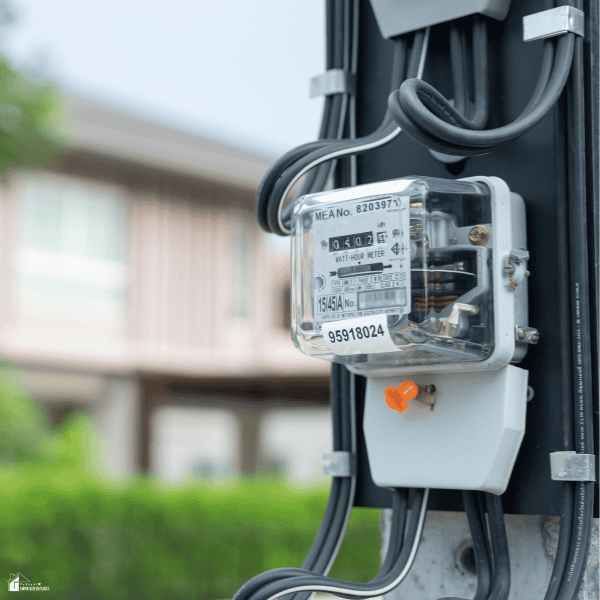
Your Rate vs. Your Usage: The Two Budget Levers
To take back control of your budget, you have to separate the two variables that determine your final bill: Rate and Usage.
- The Rate: This is what you pay per kilowatt-hour (kWh), and it depends heavily on your provider and your plan.
- The Usage: This is the actual amount of power your home consumes. Because high-use states like Texas consume so much baseline power, even a small increase in your rate can result in a massive jump in your monthly bill.
Regulators Are Stepping In (But Don't Wait for Them)
Public officials are actively debating how to protect everyday consumers. In Texas, the Public Utility Commission (PUCT) recently approved a new “Batch Study” process to ensure massive data centers are vetted properly and pay their fair share of infrastructure upgrades, rather than dumping those costs onto residential ratepayers.
While those regulatory battles play out, the smartest defense is a proactive offense.
Shop Smart to Protect Your Cash Flow
If you live in a deregulated energy market, shopping around is your best budgeting tool. Instead of getting distracted by flashy “teaser” rates that spike after a few months, focus on finding straightforward, transparent terms.
When you are comparing Texas energy plans, look for plans that offer predictable pricing structures without hidden fees. This is where a provider like Energy Texas fits into a smart household strategy. By locking in a simple, fixed-rate plan, you eliminate the guesswork and prevent sudden price surges from derailing your monthly budget.
Practical Ways to Lower Your Bill Today
You can’t control global energy markets, but you have complete power over how much electricity passes through your meter. Focus on these high-impact, low-cost areas first:
- Target the HVAC System: Heating and cooling make up nearly 50% of your home's energy use. Nudge your thermostat up a two or three degrees in the summer (use ceiling fans to stay cool), and swap out your air filters monthly so your system doesn’t have to work twice as hard.
- Lower the Water Heater: Water heating accounts for about 14% of your energy bill. Lowering your water heater’s temperature setting to 120°F (49°C) is a free change that saves money instantly.
- Banish “Phantom Loads”: Many electronics, chargers, and small appliances draw power even when turned off. Plug them into smart power strips that you can turn off with a single switch.
- Audit Your Bill Like a CFO: Don't just look at the “Amount Due.” Check your statements to track your monthly kWh usage. If your usage spiked but your habits didn't change, look for drafty windows, worn-out door seals, or an appliance that might be failing and pulling too much current.
Frugal Tip: Before investing in expensive home upgrades like new windows or solar panels, start with a $15 roll of weatherstripping. Sealing drafts around doors and windows is one of the highest-return, lowest-cost energy projects you can do over a weekend!
The Bottom Line
We are unlikely to see electricity prices drop back to historical lows anytime soon. Between grid modernization, rising tech demands, and unpredictable weather, higher rates are here to stay for the foreseeable future.
However, by treating your electricity bill as an actively managed financial category—choosing clear, fixed-rate plans, and making simple behavioral tweaks at home—you can successfully build a defensive wall around your family's budget.