Navigating First-Time Home Buyer Programs in Palm Beach County: Grants, Myths & Tips
This post may contain affiliate links which might earn us money. Please read my Disclosure and Privacy policies here
Florida hasn’t lost its magnetism; you can still feel the draw in the numbers. The U.S. Census Bureau says the state welcomed about 467,000 new residents between July 1, 2023, and July 1, 2024, more than any other state. Every newcomer props up housing demand even as the broader market cools.
Palm Beach County captures an outsize share of that wealth. In Q1 2025, luxury-tier sales, the top 10% of listings, jumped 22% year over year, keeping ocean-front prices steady while mid-tier homes softened.
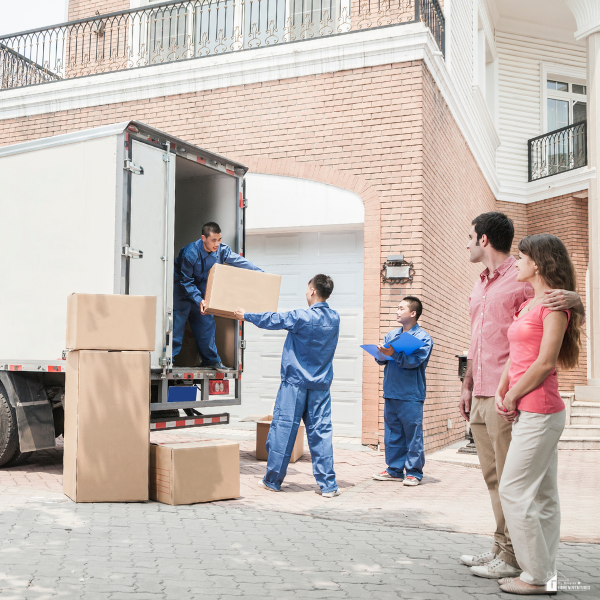
Tech-forward firms film 4K walkthroughs, handle bilingual e-signings, and often close a deal before you board a plane, turning a 1,200-mile purchase into a few taps on your phone.
What this migration means for you:
- Demand isn’t disappearing, so long-term equity prospects remain strong.
- Competition concentrates in postcard neighborhoods; exploring just a few miles inland can reveal quieter, better-priced pockets of value.
Inventory Is Up, Frenzy Is Down
Florida has room to breathe again. Active listings climbed 59.4% year over year, reaching about 98,000 homes in July 2024 and pushing supply to 4.6 months (Naples Economic Development market update).
With more choices, you no longer need to decide in minutes; the typical home now spends 37 days under contract and 80 days to close, far slower than in 2023 (same source).
Data-driven brokerage like SquareFoot Homes publishes Palm Beach “days-on-market” averages and lets buyers set up free search-subscription alerts for price cuts and new listings—intel that helps first-timers pounce when inventory rises.
Speculators are retreating too. Institutional investors made up roughly 6% of Florida sales in Q1 2025, down from 6.8% a year earlier. Fewer cash-heavy rivals plus deeper inventory give you genuine room to negotiate, a luxury Palm Beach buyers have lacked since the pandemic boom.
Home Prices Hit The Pause Button
After double-digit surges in 2021–2022, prices have flattened. Florida’s median single-family sale price reached $410,000 in September 2025, essentially the same as a year earlier (Florida Realtors market report).
Some metros are already slipping: Miami’s typical home value fell 3.8% and Tampa’s dropped nearly 6% year over year as of June 2025 (Axios Miami). Palm Beach County shows similar calm; its median hovers just below $600,000, about 1% lower than mid-2024.
Price shifts still depend on the lane you shop:
- Luxury: Out-of-state cash keeps seven-figure condos and oceanfront estates firm, so discounts stay modest.
- Starter to mid-range ($400k–$600k): Higher rates squeeze budgets, and sellers often cover closing costs or buy down the rate to close deals.
Drill down, and the gaps widen:
- Royal Palm Beach and Lake Worth: Family-friendly suburbs with backyards average the mid-$400,000s.
- Wellington: Equestrian estates and top schools push medians to $619k–$649k.
- West Palm Beach: Historic bungalows and new condos split the difference at roughly $440k–$475k.
Bottom line: prices are steady enough for planning, yet flexible enough for negotiation. Nail down your budget, compare neighboring ZIP codes, and you can still save five figures compared with peak-boom pricing.
Affordability: The Two Costs That Sting Most
- Mortgage rates. On December 11, 2025, the average 30-year fixed rate was 6.22%. On a $500,000 loan, 6.22% versus 3% adds roughly $1,120 to the monthly principal and interest payment, about $3,070 compared with $1,950.
- Insurance. Storm losses and carrier exits have driven premiums higher. A May 2025 Bankrate study shows the cost to insure a $300,000 home in West Palm Beach averages $8,397 a year, about $700 a month, and 132% above the U.S. average. Statewide, the typical premium is $5,409.
Add property taxes, HOA dues, and year-round air conditioning, and affordability clearly involves more than the sticker price. The good news: slower price growth lets buyers negotiate credits that offset these carrying costs.
Smart Moves for 2026 Buyers
The 2026 housing market will reward buyers who are prepared, patient, and flexible. Homes are taking longer to sell than in recent years, mortgage rates continue to vary widely between lenders, and sellers, from individual homeowners to national builders, are far more open to negotiation than during the peak frenzy of the early 2020s.
Buyers who understand where leverage exists can secure better pricing, lower monthly payments, and fewer post-closing surprises.
a) Use Longer Listing Times to Your Advantage
Homes are no longer moving at breakneck speed. By late 2025 and into early 2026, the typical U.S. home was spending roughly two months or more on the market, with Palm Beach County listings often lingering even longer.
Once a property passes the six-week mark, it frequently signals a seller who needs to move rather than one holding out for top dollar.
That additional time creates real negotiating power.
How to use it strategically:
- Study days-on-market history. Ask your agent to compare how long similar homes have taken to sell. Listings that linger longer than neighborhood norms often indicate motivated sellers.
- Negotiate concessions, not just price. Instead of focusing solely on a price cut, request:
- Closing-cost credits
- A 2-1 or permanent mortgage rate buydown
- Prepaid insurance or escrow credits
These options often save buyers more cash month to month while allowing sellers to preserve the headline price.
- Pause after presenting your offer. Sellers who have already waited 60–90 days are often more flexible once given time to reflect.
- Stay patient if a deal falls apart. With many listings sitting unsold for 60 days or more, another opportunity is usually close behind.
b) Secure Financing Before You Tour
Mortgage rates remain volatile and vary more by lender than many buyers expect. Borrowers with similar credit profiles can still see rate differences of 0.50% or more, which translates into meaningful monthly payment swings on a typical loan.
Preparation gives buyers both savings and leverage.
Smart financing steps:
- Get fully pre-approved. A lender that verifies income, assets, and credit can issue pre-approval sellers treat almost like cash.
- Shop at least three lenders. Multiple loan estimates requested within a defined window count as a single credit inquiry and can save thousands over the life of the loan.
- Lock your rate for 30–60 days. A rate lock protects you from sudden increases while you negotiate, inspect, and close.
- Aim below your maximum approval. Buying under your cap leaves room for inspections, insurance adjustments, and Florida-specific surprises such as roof or A/C replacements.
c) Widen Your Map and Your Property Type
Location flexibility continues to unlock significant savings in 2026. Palm Beach proper still commands premium pricing, while communities just 10–15 miles inland often sit hundreds of thousands or more below coastal values. That shift can dramatically improve affordability with only a modest increase in commute time.
Property type flexibility matters as well. Downtown West Palm Beach condos and townhomes remain closer to a buyer’s market than single-family homes, with prices still below their earlier-cycle peaks. Newer construction often brings added benefits, including lower insurance costs and fewer near-term repairs.
Ways to uncover hidden value:
- Expand your search radius by 10–20 miles and sort listings by price per square foot.
- Compare total monthly costs, not just purchase price. A condo HOA that covers wind insurance may still cost less than a single-family policy.
- Test the commute at rush hour. If an extra 15 minutes on the road saves six or seven figures over time, the trade-off may be worth it.
d) Say Yes to Builder Incentives
Higher interest rates have kept builders in deal-making mode as 2026 begins. Rather than aggressively cutting prices, many builders continue to offer incentives, especially mortgage rate buydowns, to keep payments affordable and protect neighborhood appraisals.
New-home buyers are still often securing lower effective rates than resale buyers, translating into hundreds of dollars in monthly savings. Incentives frequently stack with:
- Closing-cost credits
- Upgrade or appliance packages
- Lot or design premium waivers
Before you sign:
- Get every incentive in writing. Confirm the interest rate, lock duration, and who pays discount points.
- Compare lender fees carefully. Builder-affiliated lenders may offset low rates with higher origination costs.
- Ask about future HOA or CDD fees. Short-term savings should not mask higher long-term obligations.
When structured correctly, builder incentives can make new construction more affordable than resale while delivering a move-in-ready home with fewer surprise repairs.
e) Work With a Local Pro Who Knows the Hidden Levers
In Palm Beach County, local expertise remains a major advantage. Flood zones, insurance rules, HOA assessments, and off-market inventory all shape the true cost of a home—and algorithms rarely capture those details.
A seasoned local agent can:
- Flag flood-zone changes or pending HOA assessments before you commit.
- Surface off-market or pre-market listings through local networks.
- Connect you with inspectors and insurers who understand wind-mitigation credits and South Florida insurance nuances—often saving thousands over time.
Technology helps buyers search, but hyper-local insight helps them buy smarter and avoid costly mistakes.

Conclusion
Palm Beach County’s market in 2026 favors informed first-time buyers more than headlines suggest. With inventory higher, price growth calmer, and sellers open to concessions, preparation is your strongest advantage.
By understanding local programs, shopping financing carefully, and staying flexible on location and property type, you can reduce upfront costs and long-term payments, turning today’s cooling market into a confident, well-timed first purchase.