Before the Drip Becomes a Disaster: Smarter Ways to Handle Plumbing Problems
This post may contain affiliate links which might earn us money. Please read my Disclosure and Privacy policies here
Plumbing problems have a habit of appearing at inconvenient times. Seasonal temperature changes, everyday wear, and aging fixtures can all put added pressure on a home’s plumbing system.
Whether the problem is a dripping faucet, slow drain, or unexplained moisture, knowing what can reasonably be handled at home—and what deserves professional attention—can help prevent a small inconvenience from becoming expensive property damage.
Start by Understanding What the Problem Is Telling You
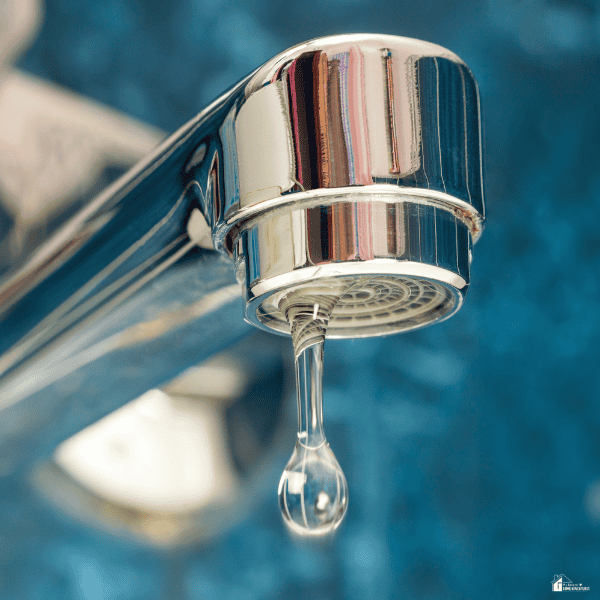
Not every plumbing issue is an emergency. A dripping faucet or slow-moving sink often gives you time to investigate, while a burst pipe, sewage backup, or rapidly spreading leak requires immediate attention.
Begin with the extent of the problem. If only one fixture is affected, the cause may be relatively localized. If several sinks, showers, or toilets begin behaving strangely at the same time, the issue could involve a larger part of the plumbing system.
Unexpected increases in water use, persistent sewage odors, unexplained damp patches, and significant pressure changes also deserve attention.
The key is not to panic at every drip but to recognize when water is appearing somewhere it should not be.
Recognize When the Problem Is Bigger Than It Looks
Plumbing systems are particularly good at hiding trouble.
A small ceiling stain may originate far from the place where it eventually becomes visible. Moisture can travel along pipes, framing, and other materials before appearing indoors. Similarly, recurring clogs or pressure problems may indicate something deeper than a faulty fixture.
When unexplained leaks, repeated drainage problems, sewage odors, or significant pressure changes appear, professional diagnosis becomes more valuable.
Look up plumbers near me to find professionals who can diagnose hidden leaks, recurring drainage issues, water supply problems, and other concerns that go beyond a straightforward household repair.
Getting the source identified early can help prevent moisture or plumbing problems from spreading to surrounding materials and becoming more expensive to fix.
Simple Repairs Can Be Reasonable DIY Projects
Some plumbing jobs are manageable without professional equipment or extensive experience.
A slow bathroom sink may simply have hair and soap trapped near the stopper. A running toilet might need a new flapper, while a loose showerhead may only require tightening or resealing.
Forbes notes that basic jobs such as clearing clogged drains, repairing faucets, addressing under-sink leaks, and handling some toilet problems can be within reach for homeowners with basic tools and preparation.
Before attempting a repair, know how to shut off the water. Work slowly and avoid forcing fittings, since overtightening and damaged threads can turn a straightforward job into a larger leak.
DIY makes the most sense when the problem is visible, accessible, and easy to stop if something goes wrong.
Treat Different Fixtures as Different Problems
A clogged toilet, slow kitchen sink, and jammed garbage disposal might all involve drainage, but they rarely require exactly the same response.
A toilet blockage may respond to a proper flange plunger. Sink problems can originate in the stopper, trap, or drain line. Kitchen drains commonly accumulate grease and food residue, while bathroom drains tend to collect hair and soap buildup.
Understanding how to unclog a kitchen sink can provide useful context for straightforward blockages before more invasive work is considered.
Garbage disposals require extra caution. Always disconnect power before investigating a jam, and never reach into the unit with your hand.
When several drains begin backing up together, stop treating each fixture as a separate problem. The blockage may be farther along in the drainage system.
Water Heaters and Hidden Lines Deserve Extra Caution
Some household repairs carry greater consequences when something goes wrong.
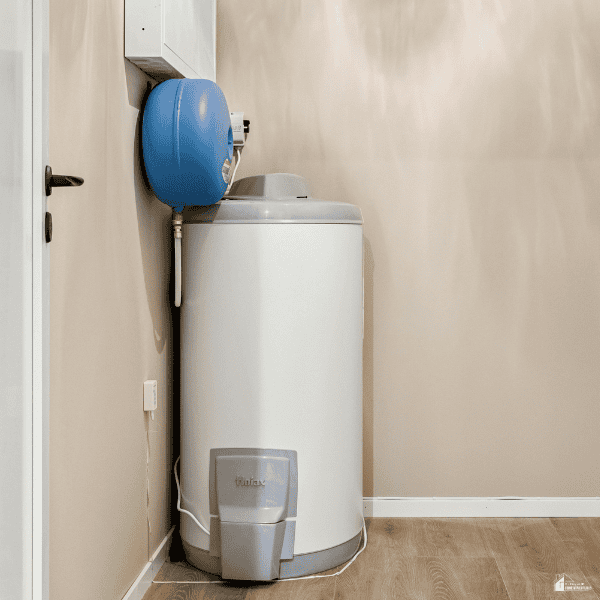
Water heaters combine plumbing with electrical or gas components, depending on the system. Warning signs such as water collecting around the tank, inconsistent temperatures, unusual noises, or rusty-looking hot water deserve investigation.
Supply lines can also create substantial damage when they fail. Flexible connections serving toilets, sinks, and washing machines are easy to overlook because they often remain hidden behind fixtures or appliances.
Visible corrosion, bulging hoses, moisture around fittings, or recurring leaks should not become permanent features of the room.
If a repair requires opening walls, modifying gas connections, extensive pipe replacement, or work you cannot confidently isolate, professional assistance is generally the safer direction.
Prevention Is Easier Than Emergency Cleanup
Good plumbing maintenance is mostly about noticing ordinary things before they become extraordinary problems.
Keep grease and inappropriate waste out of drains. Use strainers where practical, periodically inspect accessible pipes, and check cabinets beneath sinks for moisture. Knowing where the main water shutoff is located can also save valuable time during an emergency.
A small collection of basic plumbing tools can be useful as well. Common options include a plunger, drain auger, adjustable wrench, and suitable pliers for simple household jobs.
It also helps to inspect rarely noticed areas occasionally. Slow leaks beneath sinks or behind appliances can remain hidden long enough to damage cabinetry, flooring, and nearby materials.
Know When DIY Stops Saving Money
The attraction of DIY plumbing is obvious: fix the problem yourself and avoid paying for professional labor.
That calculation changes when repeated attempts fail.
Replacing a simple washer is one thing. Cutting into walls, repeatedly clearing the same blockage, modifying supply lines, or attempting repairs without understanding the cause can create additional work.
Think about the consequences of getting the repair wrong. If failure would produce a small drip that can immediately be stopped, attempting the job may be reasonable. If failure could release substantial amounts of water or damage hidden parts of the home, professional help becomes easier to justify.
Make Judgment Part of Your Home-Maintenance Toolkit
Being capable around the house does not mean handling every repair personally.
The smartest approach is knowing which problems are small enough to troubleshoot and which ones require experience, specialized equipment, or a closer inspection.
Straightforward clogs and minor fixture repairs may be suitable DIY projects, while hidden leaks, recurring backups, water-heater problems, and major supply-line issues deserve greater caution.
Pay attention to changes in how fixtures drain, sound, smell, and perform. Small clues often appear before serious plumbing failures.
A wrench can solve plenty of household problems. Knowing when to put it down can save even more.