What I Wish I Knew Before Getting Backyard Chickens
This post may contain affiliate links which might earn us money. Please read my Disclosure and Privacy policies here
When I first decided to get backyard chickens, it felt like the most wholesome decision I had ever made. Fresh eggs every morning. Happy hens practising pest control around my yard. Me achieving a more sustainable lifestyle. Sounds awesome, right?
And, now, in many ways, it is.
Still, there were quite a few things I wish someone had explained clearly to me before I brought those fluffy little chicks home. That would have saved me a lot of stress and hassle.
If you are thinking of doing the same, here’s what I wish I had known.
Why Backyard Chickens Are a Great Idea
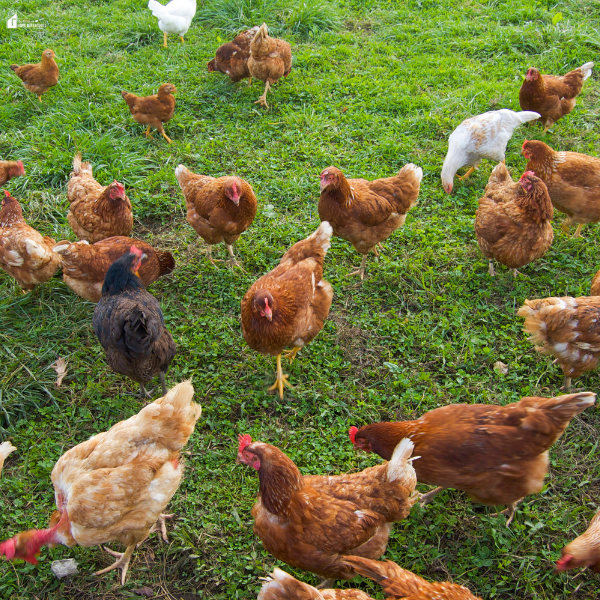
Before I get into that, it's worth elaborating on why raising backyard chickens is such a good idea.
To start with, you get to collect fresh eggs at home each morning. Trust me when I say your omelettes, quiches, and Puerto Rican Baked Chicken will taste much better than if you bought them at the grocery store.
Chickens also provide you with an endless supply of natural fertiliser because their manure is a rich source of nitrogen, phosphorus, and potassium. It's actually often called “black gold” by gardeners because it is great for composting and improving your plant growth and garden soil quality.
Additionally, backyard chickens will significantly reduce your food waste. They eat many kitchen and garden scraps that would otherwise end up in landfills. As mentioned, they provide natural pest control. Being natural foragers, they will happily eat a host of garden pests.
They include slugs, earwigs, and ticks. In doing so, they reduce the need for chemical pesticides.
What I Wish I Had Known
Ok. I promised you I would tell you what I wish I had known before getting myself into raising backyard chickens. So, here it is. If you are mindful of what’s below, you shouldn’t have the issues that I, or many other people, did.
1. The Real Cost of Keeping Backyard Chickens
I thought chickens were a cheap way to get eggs, and in the long run, they can be. But initially, the cost of keeping chickens does add up. Hence, it's worth being prepared for it.
For one, there’s the initial setup. You’ll need:
- A secure coop
- Feeders
- Drinkers
- Bedding
- Fencing
- Possibly a run
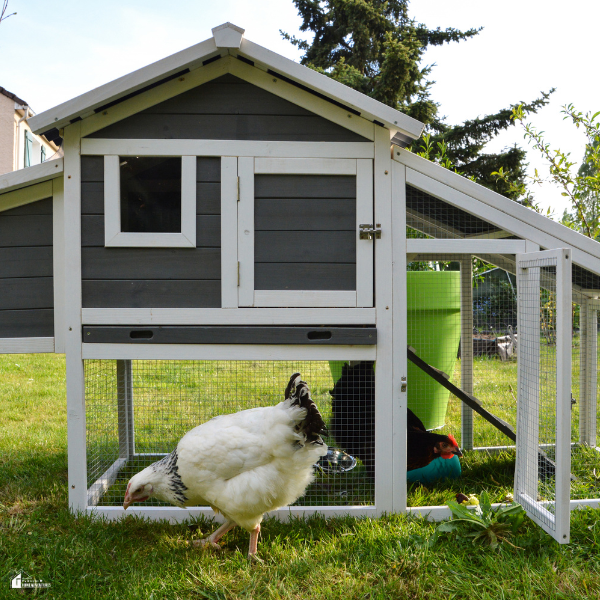
Quality chicken coops are definitely worth the investment because they protect your hens from weather and predators like snakes, cats and dogs, foxes, raccoons, and birds or prey.
However, on top of these, there are costs for ongoing feed, layer pellets, grit, and occasional treats. You may also need to replace the bedding and water containers if you don’t clean them regularly. Additionally, you may need supplements during certain seasons.
You should also be prepared for vet bills because chickens can get mites, suffer from respiratory issues, or have egg-laying problems. That said, backyard chickens are more affordable than many pets. Still, you should be prepared for their costs.
2. They Can Be More Work Than You Think
On the face of it, caring for chickens sounds fairly simple. You feed them. Collect their eggs. And give the coop a bit of a clean.
In reality, though, raising them involves a lot more work than you might think. Some of the things you’ll need to do that you might not bargain for are:
- Checking water levels (especially on hot days)
- Inspecting the coop for signs of damage
- Looking for signs of illness
- Cleaning droppings from the perches.
- Tend to muddy runs and damp bedding (after rain)
Additionally, if you plan to travel, you need someone reliable to care for them while you're away. Chickens cannot skip meals and must have fresh water. So you’ll need to be able to call upon someone you can rely on.
The good news is that over time, the routine becomes second nature. However, to get there faster, you need to practice consistency.
3. Predator Problems Are Very Real
I’ll confess that I underestimated how many predators chickens had. And they can cause serious problems for your chooks. As mentioned, threats come from the air and the ground. That is why it is essential to have a secure coop to protect your flock.
Make sure your coop has proper locks and strong wire mesh buried slightly into the ground. This will help to prevent digging. Doors should also always be properly closed at night.
You should be aware that while free-ranging sounds lovely, it does require close supervision. Even during the day, predators can get ready to pounce.
Here are some more ways you can keep your chickens safe in your yard.
4. Choosing the Right Number And Breed
There is such a thing as having too many chickens, both in a legal and practical sense. Many local councils only allow you to have a set number in a residential property. This might depend on where you live, so you would be wise to contact them to make sure you are compliant. You don’t want to risk a fine.
Chickens are social animals that need companions. So, keeping just one is not recommended. However, you should be aware that some breeds don’t get on with others.
Barred Rocks, for instance, are known to be bullies, while Rhode Island Reds are very feisty. Even high-energy/flighty birds like Leghorns can struggle with docile, heavy breeds. Additionally, nearly all cockerels and roosters are prone to fighting, irrespective of their breed.
5. The Mess and Smell
Lastly, no matter how prepared you think you are for it, the mess and smell of a chicken coop can be very off-putting at first.
Chickens are not the neatest of creatures. They scratch, dig, and flick dirt everywhere. This means that, if you are not careful, your pristine lawn might not remain that way for long. In particular, garden beds need protection, and mulch can become a playground.
Chicken coops can also smell rather quickly if you don’t stay on top of cleaning them. That is why it is important to maintain a clean coop to make the process of collecting eggs every morning a lot more pleasant.