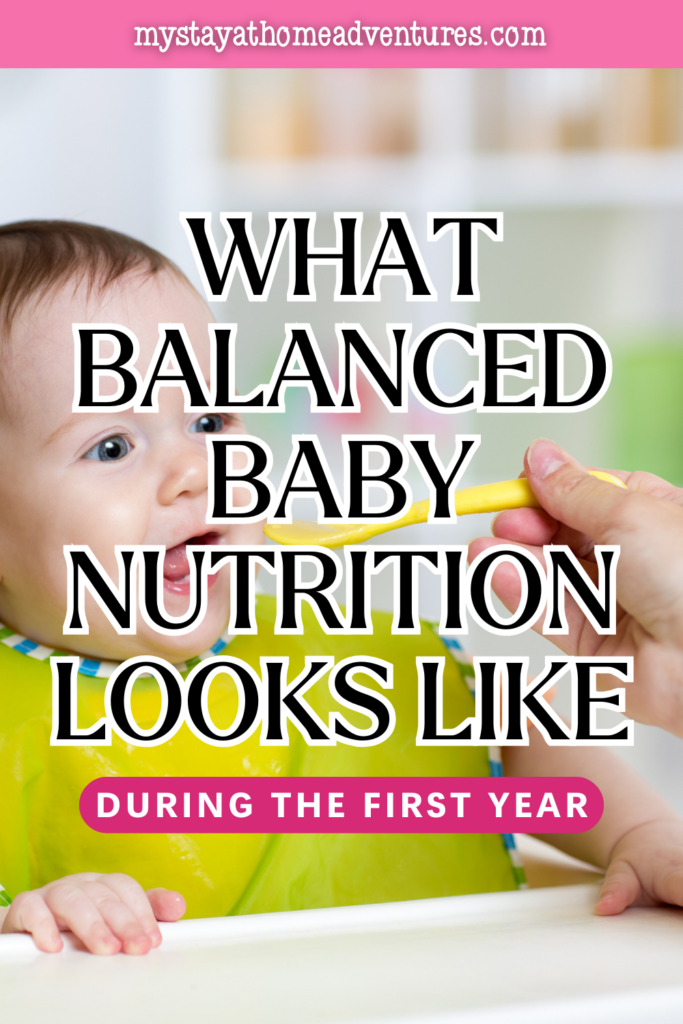
What Balanced Baby Nutrition Looks Like During The First Year
This post may contain affiliate links which might earn us money. Please read my Disclosure and Privacy policies here
The first year of a child's life involves rapid physical growth and brain development. Providing the right nutrients at each stage sets a foundation for long-term health and eating habits.
As your little one grows, their nutritional requirements shift to include more complex textures and flavors. Watching for signs of readiness helps you transition from milk to solids at the right pace.

Starting The Journey With Exclusive Milk Feeding
For the first 6 months, babies typically get everything they need from breast milk or infant formula. These options provide the perfect balance of fats, proteins, and vitamins required for early milestones.
Experts suggest that breastfeeding should be combined with safe, age-appropriate feeding of nutritious solid, semi-solid, and soft foods starting at 6 months, according to UNICEF.
Growth during these early weeks is often measured by weight gain and wet diapers. Caregivers should follow the baby’s cues for hunger rather than sticking to a rigid clock. This responsive feeding approach helps the infant learn to recognize their own fullness and prevents overfeeding.
Maintaining a steady supply of nutrients is the priority during this phase. If you choose a formula, selecting one that mimics the composition of breast milk can support digestive health.
Recognizing Readiness For Solid Foods
Most infants show interest in what their parents are eating around the half-year mark. They might reach for your fork or sit up with minimal support, which are signs their body is ready for a change.
Introducing solids too early can lead to digestive upset or a decrease in milk intake. It is better to wait until the baby can hold their head steady and has lost the tongue-thrust reflex. A recent report from Health Canada suggests that lumpy textures should be offered no later than 9 months to help with oral motor development.
When you begin, start with a single ingredient to monitor for any potential reactions. Moving slowly allows the baby to get used to the sensation of a spoon and the weight of real food.
Transitioning To Whole Milk Options
As the first birthday approaches, the variety of liquids a baby can drink begins to expand. While breast milk or formula remains the primary source for months, parents often look toward dairy as a supplement.
A fresh whole milk from goats or cows serves as a bridge toward a toddler's diet once the infant is old enough to process it. Introducing these milks too early can put a strain on a baby's developing kidneys.
Guidelines from the Canadian Paediatric Society state that 3.25% whole cow's milk can be introduced between 9 and 12 months if breast milk is no longer available.
Wait until the infant is eating a wide variety of iron-rich foods before making dairy a large part of the day. Iron is a common concern when transitioning to cow's milk, as dairy does not contain much of this mineral.
Diversifying The Plate With Proteins And Iron
Iron becomes a critical nutrient after the 6-month mark because natural stores start to deplete. Including pureed meats, poultry, or iron-fortified cereals helps support cognitive function and energy levels.
Plant-based proteins like lentils and tofu are also excellent choices for a growing infant. These can be mashed into a soft consistency that is easy for a new eater to manage.
Protein sources also introduce new savory flavors that differ from the sweetness of milk. Expanding the palate early on may reduce the likelihood of picky eating in the toddler years.
Exploring Fruits And Vegetables For Vitamins
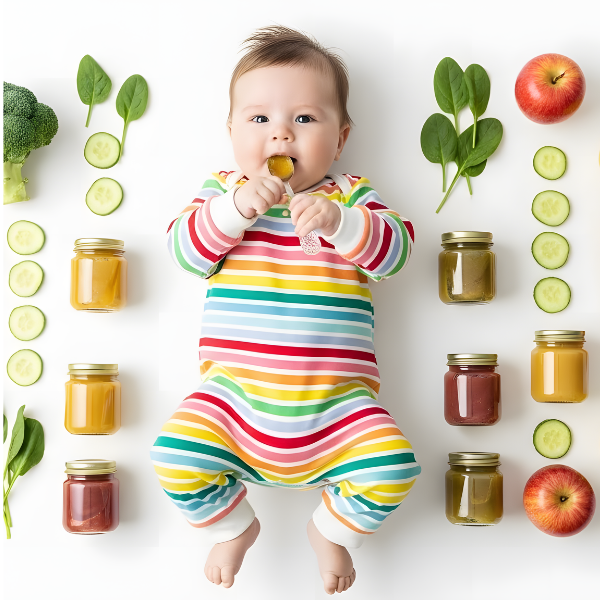
Vegetables and fruits provide the fiber and antioxidants necessary for a healthy gut. Starting with mild flavors like squash or peas can make the transition easier for sensitive taste buds.
Mashing or steaming these foods until they are soft is the safest way to serve them. Avoid adding salt or sugar to the baby's portions to keep their diet as natural as possible. Allowing the baby to touch and smell the produce encourages a positive relationship with healthy food groups.
- Pureed carrots or sweet potatoes
- Mashed avocado for healthy fats
- Soft-cooked broccoli florets
- Finely diced bananas or peaches
As they get older, you can offer these items as finger foods to encourage self-feeding. This helps develop fine motor skills and hand-eye coordination. Watching your baby explore a piece of steamed pear is a great way to see their curiosity in action.
Safety And Texture Progression
Safety is the most important factor when moving from purees to table foods. Large chunks of hard fruit or whole nuts pose a significant choking risk for a child under 1 year.
Gradually increasing the thickness of food helps the baby learn how to chew. Moving from a smooth puree to a fork-mash and then to soft chunks is a natural progression.
Avoid honey and undercooked eggs or meat to prevent foodborne illnesses. Their immune systems are still learning how to fight off bacteria that an adult body might handle easily.
The journey through the first year of nutrition is a time of discovery for both the parent and the baby. By following developmental cues and introducing a wide range of foods, you provide the tools for a lifetime of health.
Focus on the quality of ingredients and the joy of sharing meals. As the infant moves toward their first birthday, they will become more capable of eating what the rest of the family enjoys.