DIY Urban Homesteading: Sustainable Living Projects at Home
This post may contain affiliate links which might earn us money. Please read my Disclosure and Privacy policies here
Urban self-sufficiency can start with one small project, not a backyard overhaul. DIY urban homesteading works best as a monthly experiment: pick a single skill, make it routine, then decide what to scale.
The right first step depends on available space, building rules, and time, so a “good enough” option beats a perfect plan that never begins.
For quick food wins, choose something that produces in weeks. Container gardening with herbs, salad greens, or scallions fits balconies and sunny windows, and it makes “grow your own food” feel real fast.
Even a couple of pots can support food security by reducing last-minute store runs and keeping fresh flavors on hand.
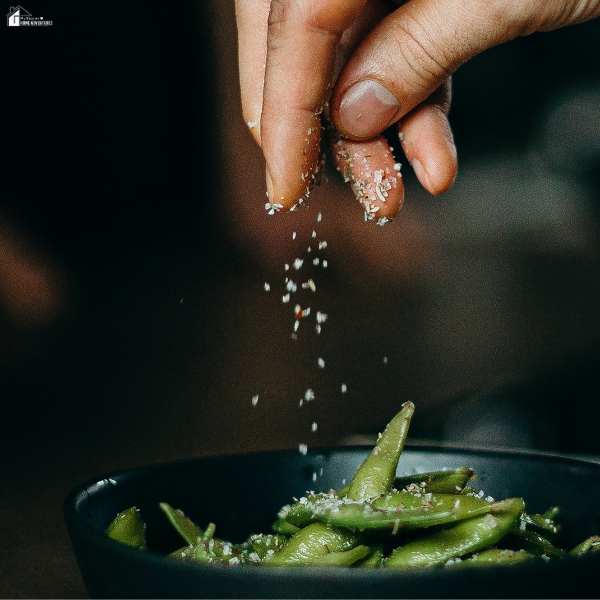
If the goal is less waste, start with kitchen systems that require almost no gear. A countertop scrap bowl plus a simple composting setup, such as a sealed bin or a community drop off, can turn peels and coffee grounds into useful material instead of trash.
Pair it with a “use it up” shelf in the fridge to prevent forgotten leftovers.
For resilience, focus on water habits before hardware. When local regulations permit it, rainwater harvesting can be as simple as using a covered container for non-potable tasks like watering plants. To prevent spills and pests, label containers, keep lids on, and store carefully.
For sustainable living with less solo effort, plug into neighbors. A CSA share, seed swap, or tool library spreads cost and learning, and it keeps sustainability social rather than isolating. Many beginners start by volunteering at a community garden and trading surplus with friends.
What Urban Homesteading Really Means (and Why it’s More Practical Than it Looks)
Self-Sufficiency vs. Community Sufficiency
Even in a tiny apartment, urban homesteading typically entails developing a few household skills that lessen reliance on ongoing purchases. It's a spectrum: one household might bake bread, repair clothing, and preserve seasonal produce, while another might keep herbs on a windowsill.
No one has to do everything for it to count.
In cities, self-sufficiency often works best alongside community sufficiency. Sharing tools, swapping seedlings, or splitting a CSA box can replace the fantasy of total independence with realistic mutual support.
Why People Start: Food Security, Sustainability, and Control Over Basics
People often begin with food security, cost control, and sustainable living habits that fit city limits. When prices rise or stores feel unreliable, even the ability to grow your own food in containers adds options, not perfection.
The scope of the problem is also demonstrated by research: Cornell's study on food insecurity in urban and peri-urban areas shows how many people experience food insecurity in urban areas.
Urban homesteading won't solve that on its own, but it can help with waste reduction, sustainability, and making daily meals a little more consistent for more households.
Start Small on Purpose: A Beginner Plan That Prevents Expensive Mistakes
Take Stock of Your Space (and Your Real Weekly Time Budget)
Before buying anything, beginners can map what they actually have: light, airflow, storage, and water access. For small space gardening, a one week “observe and note” period helps: which window gets steady sun, where containers can drain, and where tools can live without becoming clutter.
Time matters as much as square feet. A realistic weekly budget might be three 15-minute check-ins, not weekend marathons. A simple notes app works fine for tracking this.
Pace It: Master One Skill Before Stacking New Projects
A staged approach keeps sustainability doable. In the first month, many households pick one routine skill, such as watering, seed starting, or a simple compost habit, and stick to it until it feels automatic.
Only after a full season should bigger commitments enter the picture. Backyard chickens and beekeeping can wait because animals add daily duties, local rules, and troubleshooting that can overwhelm a new homesteader.
Budgeting for the Boring Stuff (Ongoing Costs Matter)
Early mistakes often start with gear. Buying a shiny setup can feel like progress, but ongoing costs decide whether a project lasts. Potting mix, fertilizer, replacement trays, and pest control add up for container growing.
Canning and preserving also include recurring needs like jars, lids, labels, and extra energy for heating. Even rainwater harvesting comes with maintenance: screens, cleaning, and occasionally replacing cracked containers.
Rules You Can’t Ignore: Zoning, Leases, HOA, and Water Restrictions
Planning supports self-sufficiency when it includes a quick legality check. City zoning may limit livestock, structures, or hive placement; leases and HOA rules can ban coops, visible compost, or balcony planters.
Water restrictions can affect collection and outdoor use, even in drought years. A short call to the local permitting office, plus a careful read of building policies, can prevent projects that get shut down later.
Water-Smart Home Projects: Rainwater Harvesting, Irrigation, and Avoiding Messy Surprises
A Simple Rainwater Harvesting Setup for Urban Homes
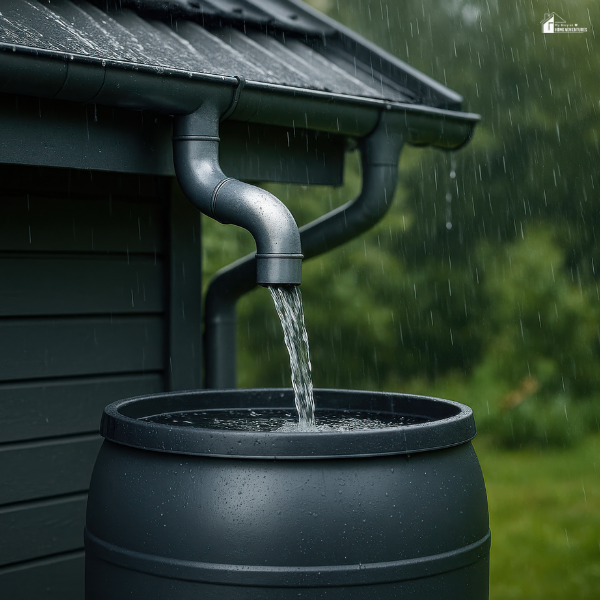
A basic urban setup can be as small as a lidded barrel under a downspout, with a screen to keep out leaves and mosquitoes and an overflow that routes excess away from walkways.
Because rainwater harvesting rules vary by city and by type, readers should check local guidance before cutting into gutters or adding pumps.
Collected water is for non-potable jobs like rinsing tools or watering plants, and labeling the container helps keep sustainable living households safe.
Irrigation and Drainage That Won’t Wreck Your Foundation or Annoy Neighbors
For gardens, small upgrades often beat a full remodel. A drip line or soaker hose fed from a spigot can reduce splashing and wasted runoff, especially in raised garden beds. In container gardening, saucers and a watering tray prevent balcony drips that frustrate neighbors.
Drainage matters as much as irrigation: extend downspouts, keep discharge pointed away from foundations, and avoid sending water onto sidewalks or shared paths, where algae and ice can become hazards.
When DIY Becomes ‘Call Someone’ Territory
DIY is fine until water meets pressurized plumbing or hidden cavities. Call emergency plumbing services if you see leaks, damp walls, sewage odors, backflow concerns, or any plan to tie a barrel into lines.
Grow Your Own Food in Tight Spaces: Containers, Verticals, and Edible Landscaping
Container Gardening That Actually Produces
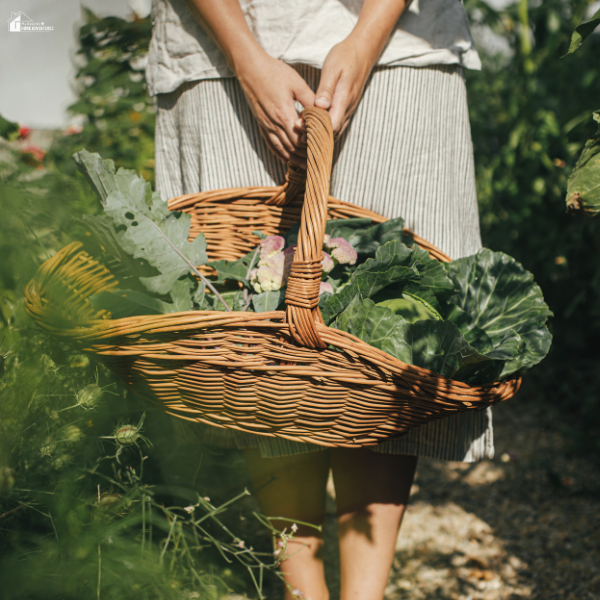
For balconies and sunny stoops, grow your own food with container gardening when plants get enough light and consistent moisture. A few deep pots with potting mix outperform many tiny containers.
Beginners reduce risk by choosing reliable crops: salad greens, cherry tomatoes, bush beans, peppers, and herbs, then watering on a schedule and feeding lightly. Self-watering inserts help busy schedules, but containers need drainage holes and a saucer to protect patios.
Raised Beds vs. Grow Bags vs. In-Ground (What Fits Urban Life)
In small space gardening, raised garden beds give soil control and simpler weeding, while grow bags suit renters; they move and store easily. In-ground beds cost less but demand more time for soil improvement and edging.
Readers who want a simple start can start a beginner home garden and scale from there. Two well-tended beds beat a dozen neglected ones.
Vertical Gardening and Edible Landscaping for ‘No Spare Room’ Yards
Vertical gardening adds yield without taking much floor space: sturdy trellises for cucumbers, peas, and pole beans, or wall planters for strawberries. Edible landscaping keeps sustainability practical by mixing food plants into existing borders, prioritizing what gets harvested weekly.
Composting in the City: Turn Scraps Into Soil Without Smells, Pests, or Drama
Pick a Method that Matches Your Space and Tolerance
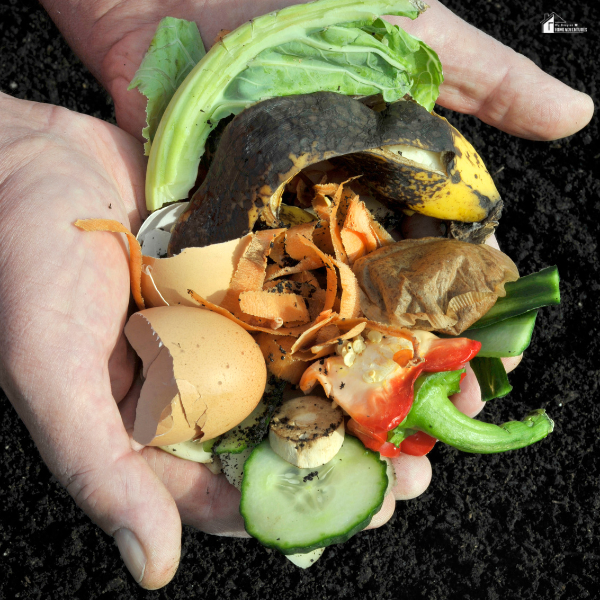
Composting turns kitchen scraps into a closed-loop habit: waste becomes soil, supporting self-sufficiency and everyday sustainability even without a yard.
Many city households start with a small countertop container, then choose a system that fits their tolerance. After a few weeks, the routine feels like taking out recycling, just more useful.
- Sealed indoor bin with community drop-off
- Bokashi bucket for apartments with little space
- Worm bin (vermicompost) for steady, small batches
For a deeper walkthrough, readers can follow this guide to simple composting at home.
Odor and Pest Prevention Basics
Smell and pests usually come from excess moisture or exposed food. Prevent drama with:
- Keep a “browns” stash (dry leaves or shredded paper) and cover scraps each time.
- Close lids tightly and avoid meat, dairy, and oily leftovers in basic systems.
- Drain liquids, rinse the scrap container, and freeze scraps if the collection runs long.
Finished compost can top-dress container gardening and refresh raised garden beds, helping households grow their own food and supporting sustainable living.
Bigger Projects to Add Later: Chickens, Beekeeping, and Preserving—Without Burning Out
Backyard Chickens: Great Eggs, Real Commitments
Backyard chickens can feel like a big milestone: fresh eggs, manure for beds, and a daily reason to step outside. They also mean feed, bedding, predators, noise, and local limits, so wait until routines are steady and neighbors are on board.
Beekeeping in Urban Areas: Possible, But Not a ‘Starter Hobby’
Beekeeping is doable in many cities, but it comes with training, protective gear, and clear placement rules. Many people learn through a local beekeeping club before adding another living system to manage.
Canning and Preserving: The Pantry Skill That Rewards Patience
Canning and preserving build food security when a household has surplus, but it rewards slow practice and careful sanitation. Many beginners start with freezer jam and clearly labeled jars before moving to pressure canning.
Burnout Prevention: Keep the Homesteader Sustainable, Too
Burnout prevention is part of sustainability: protect time, budget, and sleep. A simple checklist helps notice problems early, often. Keep self-sufficiency additive, not punishing, and pause new projects when routine maintenance starts slipping.
A Sustainable Pace Beats a Perfect Homestead
A single project that gets maintained week after week will do more for sustainable living than five ambitious setups that fade by month two. The goal is not a flawless system, but steady habits that make sustainability feel normal.
For the next step, pick one starter project from earlier: a few herb containers, a simple compost routine, a labeled rainwater container (where allowed), or a small community swap.
Over time, that rhythm builds real self-sufficiency in urban life, without burnout. Small wins add up, and the home stays manageable always.