How to Manage Commercial Concrete Project Budgets
This post may contain affiliate links which might earn us money. Please read my Disclosure and Privacy policies here
Managing a large commercial concrete build requires serious financial control and constant oversight. Small pricing mistakes at the start can quickly derail your bottom line. You need to watch every expense to keep your project on track.
Keeping close track of every dollar helps your project stay on schedule and under budget. Proper planning keeps your construction company profitable and ready for future bids.
Establish a Solid Foundation First
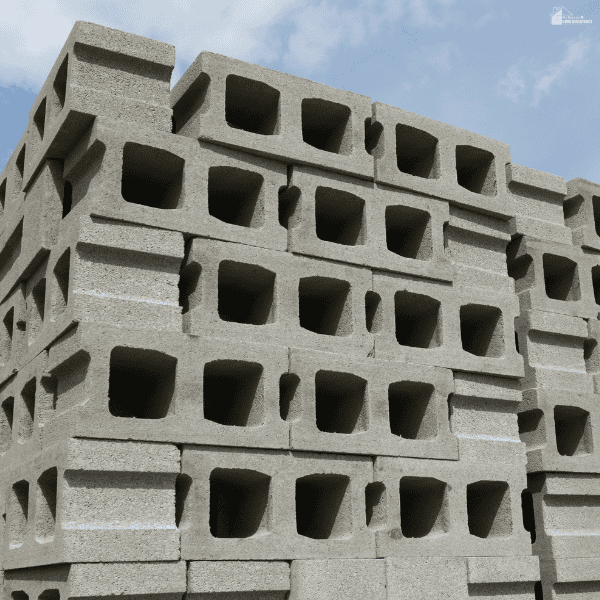
Every successful build starts with a clear financial plan. You must map out your expenses before any actual ground is broken on the site. The planning stage sets the tone for everything else.
Finding durable supplies that fit your cost limitations is a major part of the process. Using an ITL Reinforced Concrete Roll, for example, can protect your work site from unexpected damage. A simple investment helps keep your team on track without draining your cash reserves.
Starting with a detailed list prevents sudden price shocks later in the building phase. Taking time to establish your baseline protects your company from unexpected debts and heavy loans.
Track Your Expenses Carefully
An expert guide notes that having a set plan is one of the most critical steps when setting up your financials. You must define every single cost before workers arrive on site. Doing it prevents you from making emotional choices when sudden bills arrive.
According to industry experts, knowing the difference between individual subtotals and the total is key to preventing funding issues down the road. A clear understanding keeps your budget intact throughout the project. It gives your clients more confidence in your professional management.
It is easy to miss tiny details when rushing through paper estimates and manual spreadsheets. Keeping digital records of every single $1 spent keeps your financial records accurate.
Calculate Your Material Needs Accurately
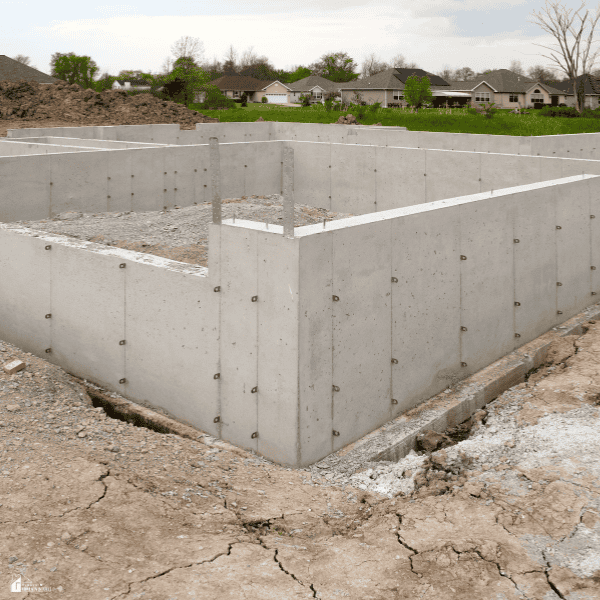
Accurate math is your best tool to prevent overspending on heavy supplies. Ordering too much concrete wastes money, and ordering too little delays the entire schedule. You should work with experienced estimators to get the most precise measurements.
A blog on project management warns that when your original math is off by even a tiny bit, you might end up ordering extra materials in the middle of the build. Emergency orders often cost far more than your initial supply run. They can even halt work entirely as you wait for a new shipment.
Measuring the project site multiple times helps secure the correct order numbers from the start. You can avoid shipping delays by working closely with your local supply partners.
Control Labor and Overhead Costs
Labor costs can quickly rise if your crew faces constant delays on the job site. Managing your workers' hours requires smart scheduling and realistic daily targets. When you align labor with material deliveries, you avoid paying workers to sit idle. It keeps your crew focused on the job.
You can monitor daily productivity by tracking key indicators on the job site:
- Daily concrete yardage poured
- Crew hours spent on prep work
- Time lost due to bad weather delays
- Equipment rental usage times
Tracking these metrics keeps your operational costs under control. Regular updates prevent minor delays from turning into expensive overtime hours.
Managing a concrete budget requires daily attention and careful tracking. By focusing on detailed planning and precise material counts, you keep your project profitable. It makes a major difference in your bottom line.
With the right approach, your team can complete high-quality commercial work without exceeding your financial limits. Smart spending protects your business's future.