How to Create a Healthier Backyard Environment While Preventing Common Household Pest Problems
This post may contain affiliate links which might earn us money. Please read my Disclosure and Privacy policies here
A backyard is often the part of a property where families spend their most relaxed hours. It hosts weekend meals, children's games, quiet mornings with coffee, and evenings with friends.
Standing water, fallen fruit, overgrown plants, and open trash bins all send a clear signal to pests that food and shelter are close by.
The good news is that a healthier yard and a pest-resistant home usually go hand in hand. With a few steady habits, homeowners can enjoy their outdoor space while keeping common pest problems from reaching the house.

Why Summer Changes Rodent Behavior Around the Home
Hot weather changes the way many creatures behave around a home, and those changes are often easy to miss until a problem appears. Rats and mice, in particular, begin searching for water and cooler shelter once summer dries out the places where they normally feed and nest.
Learning about seasonal rodent behavior is one of the simplest ways to stay a step ahead of this problem.
Homeowners who understand why rats and mice move indoors during extreme heat can spot early warning signs in the yard and act before small gaps turn into easy entry points. Knowing what draws these animals closer makes every other step in a backyard care plan easier to follow.
Keeping Outdoor Water Sources Under Control
Water is one of the strongest attractions for pests of every kind. Mosquitoes lay eggs in still water, while larger animals look for any reliable place to drink during dry spells. Leaky hoses and outdoor taps, overflowing plant saucers, clogged gutters, and low spots in the lawn can all hold water for days after rain or watering.
Fixing small leaks quickly is one of the easiest improvements a homeowner can make. Pet bowls should be brought inside overnight rather than left full on the patio. Air conditioning units can drip steadily, so it is worth checking that the line drains away from the house rather than pooling near the foundation.
Adjusting sprinklers so they water the lawn and not the walls or walkways keeps the ground near the home drier and less inviting.
Managing Food Sources Around Outdoor Living Areas
Outdoor kitchens, grills, and dining areas add a great deal to backyard living, but they also leave behind crumbs, grease, and scraps.
These small leftovers can draw ants, cockroaches, and rodents to the edge of the home within a short time. Cleaning grill trays and wiping down outdoor tables after each use keeps those smells from lingering into the night.
Pet food and bird seed deserve special attention. Both should be stored in sealed, sturdy containers rather than in open bags in a garage or shed. Bird feeders are best placed well away from the house, and spilled seed underneath them should be swept up quite often.
Fruit trees are a wonderful feature in any yard, but ripe fruit that falls to the ground should be picked up regularly instead of being left to rot.
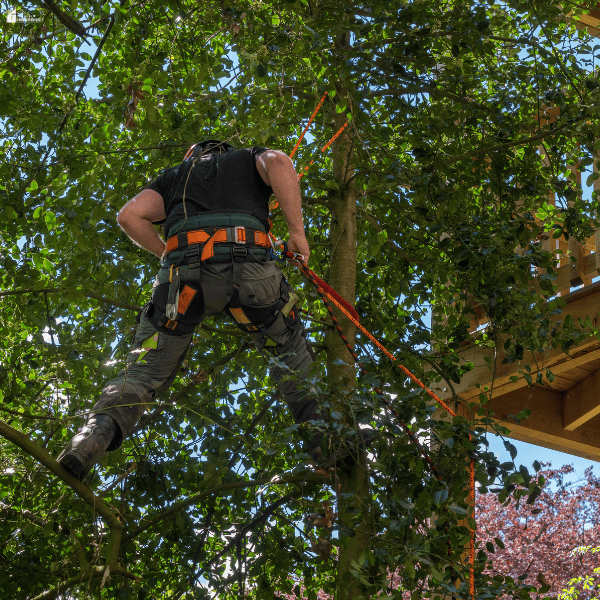
Trimming Trees, Shrubs, and Overgrown Plants
Thick plants growing right against the walls of a home create shaded, protected paths that pests use to travel unseen.
Climbing animals can also use overhanging branches as bridges to reach the roof, gutters, and attic vents. Keeping branches trimmed back from the roofline closes off one of the most common routes onto a house.
A clear strip of space between garden beds and the foundation makes a noticeable difference. Shrubs should be pruned so that air and light can reach the ground beneath them, which also keeps the soil from staying damp for too long.
Piles of leaves, grass clippings, and loose branches should be cleared away promptly, since they provide ready-made nesting spots.
Keeping Trash Bins and Compost Areas Clean
Garbage provides a steady food source for pests. Use bins with tight lids that close fully after each use. Rinse them every few weeks to reduce odors and make them less appealing to pests.
Compost can support a healthy garden, but it needs proper care. Choose a closed compost bin instead of an open heap. Avoid adding meat, dairy, or oily scraps.
Turn the compost regularly to help it break down. Also, keep the bin away from the house to reduce pest activity near your home.
Sealing Small Gaps Along the Exterior
Many pests need only a very small opening to slip into a home. Cracks in the foundation, gaps around pipes and cables, worn door sweeps, torn window screens, and damaged vents are all common weak spots.
A slow walk around the outside of the house every few months helps homeowners catch these problems early.
Garage doors deserve a close look, since worn seals at the bottom are easy to overlook. Small gaps can often be filled with sealant or sturdy mesh. It is wise to make sure no animals are already living inside before closing an opening completely, so they are not trapped within the walls.
Encouraging a Balanced and Healthy Yard
A healthy yard is not one that is free of all wildlife, but one where nature stays in balance. Native plants, healthy soil, and good airflow support helpful insects and birds that naturally keep many pests in check.
Heavy use of harsh chemicals can upset that balance by harming the helpful creatures along with the unwanted ones.
Choosing plants suited to the local climate means they need less watering and stay stronger against disease. Keep the lawn at a sensible height and water in the early morning. Let the soil dry between waterings. These steps help reduce the damp conditions that many pests prefer.
A clean, well-kept yard can help protect the home from pests. As a result, the family can spend more time enjoying their outdoor space.